





The Emergence of Virtual Commuting: Analyzing Market Trends and Business Models
The Emergence of Virtual Commuting: Analyzing Market Trends and Business Models By Startup Korea Research Desk | May 16, 2026 As the digital landscape continues to evolve, the concept of commuting is undergoing a transformation that could redefi...

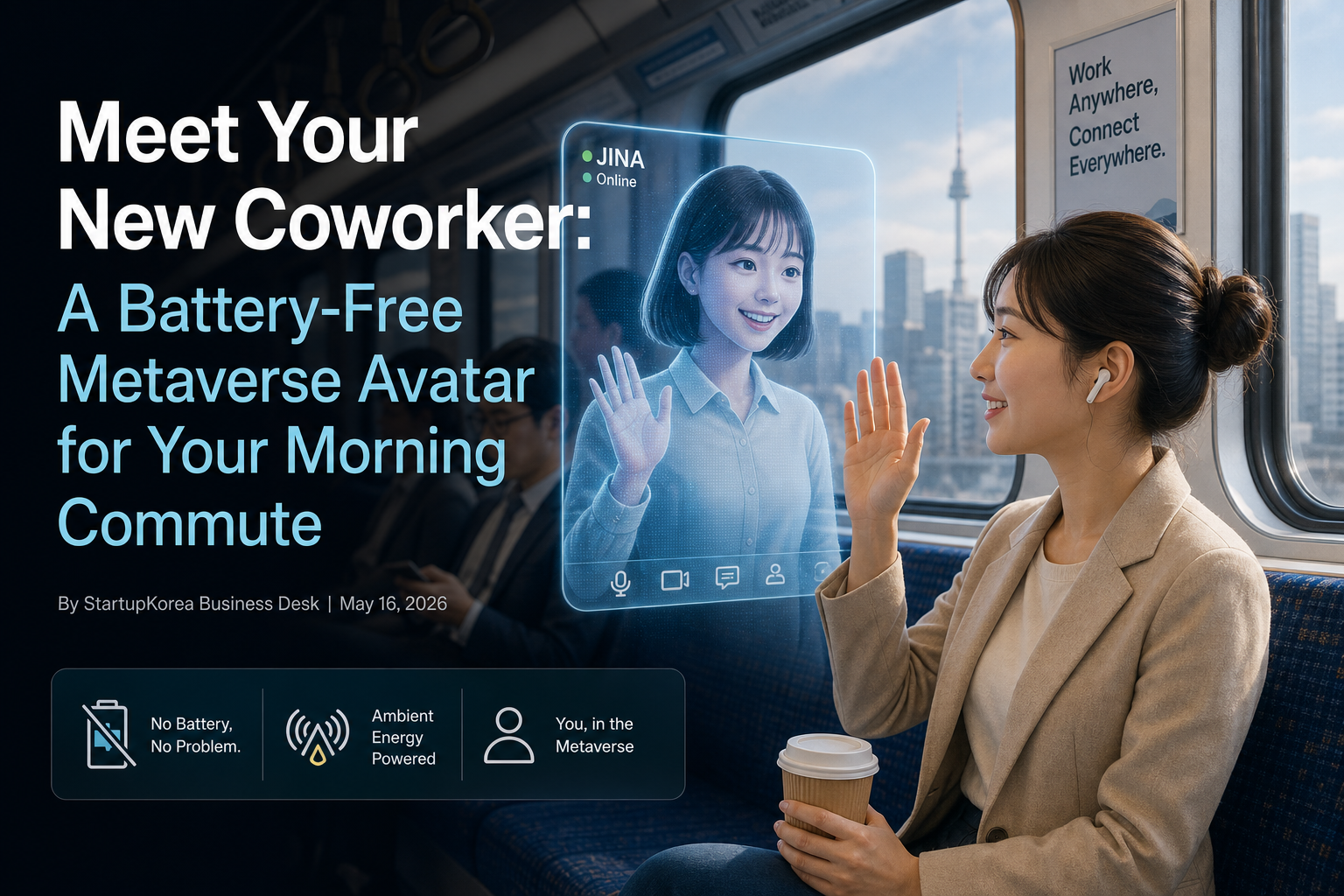
The Emergence of Virtual Commuting: Analyzing Market Trends and Business Models
By Startup Korea Research Desk | May 16, 2026
As the digital landscape continues to evolve, the concept of commuting is undergoing a transformation that could redefine traditional work environments. The rise of virtual commuting, facilitated by advancements in metaverse technology, presents both opportunities and challenges for startups aiming to capitalize on this trend. This analysis explores the implications of virtual commuting, the viability of emerging business models, and the factors that investors should consider when evaluating such ventures.
Understanding the Virtual Commuting Landscape
Virtual commuting refers to the practice of using digital avatars to represent oneself in a virtual workspace, allowing individuals to participate in meetings and collaborative efforts without physically traveling to an office. This concept is gaining traction as remote work becomes increasingly normalized, with projections indicating that the remote work solutions market could reach $1 trillion by 2026.
Startups entering this space are leveraging innovative technologies, such as battery-free sensors, to enhance user experience and engagement. These sensors, which convert ambient light into energy, enable the transmission of biometric data to digital avatars, creating a more immersive experience for users. The potential growth of the battery-free sensor market, expected to expand at a compound annual growth rate (CAGR) of 20% over the next five years, underscores the technological advancements that are driving this trend.
Evaluating Business Models
The business models emerging within the virtual commuting sector vary widely, with some startups focusing on subscription-based services while others explore one-time purchase options for hardware and software solutions. A key consideration for these businesses is how to effectively monetize their offerings while providing genuine value to users.
- Subscription Services: Startups may offer tiered subscription models that provide users with access to various features, such as enhanced avatar customization, advanced collaboration tools, or analytics on user engagement.
- Hardware Sales: Companies may also generate revenue through the sale of proprietary hardware, such as battery-free sensors, that facilitate virtual commuting experiences.
- Partnerships: Collaborations with established companies in the tech and remote work sectors can provide additional revenue streams and enhance credibility.
However, the success of these business models hinges on user adoption and satisfaction. Startups must prioritize user experience and ensure that their solutions effectively address the pain points associated with traditional commuting and remote work.
Adoption Risks and Challenges
While the concept of virtual commuting presents exciting possibilities, there are inherent risks and challenges that startups must navigate. Key considerations include:
- User Acceptance: The transition from traditional commuting to virtual commuting may face resistance from individuals who value in-person interactions and the social aspects of office life.
- Technological Limitations: The effectiveness of battery-free sensors and other technologies is crucial. Startups must ensure that their products deliver on promises of reliability and performance.
- Market Competition: As the virtual commuting sector grows, competition is likely to intensify. Startups must differentiate themselves through unique offerings and superior user experiences.
Addressing these challenges will require strategic planning and a deep understanding of market dynamics. Founders must remain adaptable and responsive to user feedback to refine their offerings.
Investor Diligence and Strategic Considerations
For investors considering opportunities in the virtual commuting space, due diligence is essential. Key factors to evaluate include:
- Market Potential: Assess the size and growth trajectory of the virtual commuting market, as well as the potential for scalability.
- Technology Viability: Investigate the technological foundation of the startup's offerings, including the performance and reliability of battery-free sensors and other innovations.
- Founder's Vision: Evaluate the founder's strategy, experience, and ability to navigate challenges in the evolving landscape of remote work and virtual commuting.
Investors should also consider the broader economic context, including trends in remote work, workforce preferences, and technological advancements that may influence the adoption of virtual commuting solutions.
Conclusion
The emergence of virtual commuting represents a significant shift in how individuals approach work and collaboration. As startups explore innovative business models and technologies, the potential for growth in this sector is substantial. However, success will depend on user adoption, technological reliability, and the ability to navigate market challenges. Investors and founders alike must remain vigilant and adaptable as they engage with this evolving landscape.
Editor's note: This is original market analysis and not investment advice.
What's Your Reaction?
 Like
0
Like
0
 Dislike
0
Dislike
0
 Love
0
Love
0
 Funny
0
Funny
0
 Angry
0
Angry
0
 Sad
0
Sad
0
 Wow
0
Wow
0