

The Emergence of Robotics in Elderly Care: Market Trends and Investment Insights
The Emergence of Robotics in Elderly Care: Market Trends and Investment Insights By Startup Korea Research Desk | Apr 06, 2026 The integration of robotics into elderly care is gaining traction as the global population ages. Recent funding rounds...

The Emergence of Robotics in Elderly Care: Market Trends and Investment Insights
By Startup Korea Research Desk | Apr 06, 2026
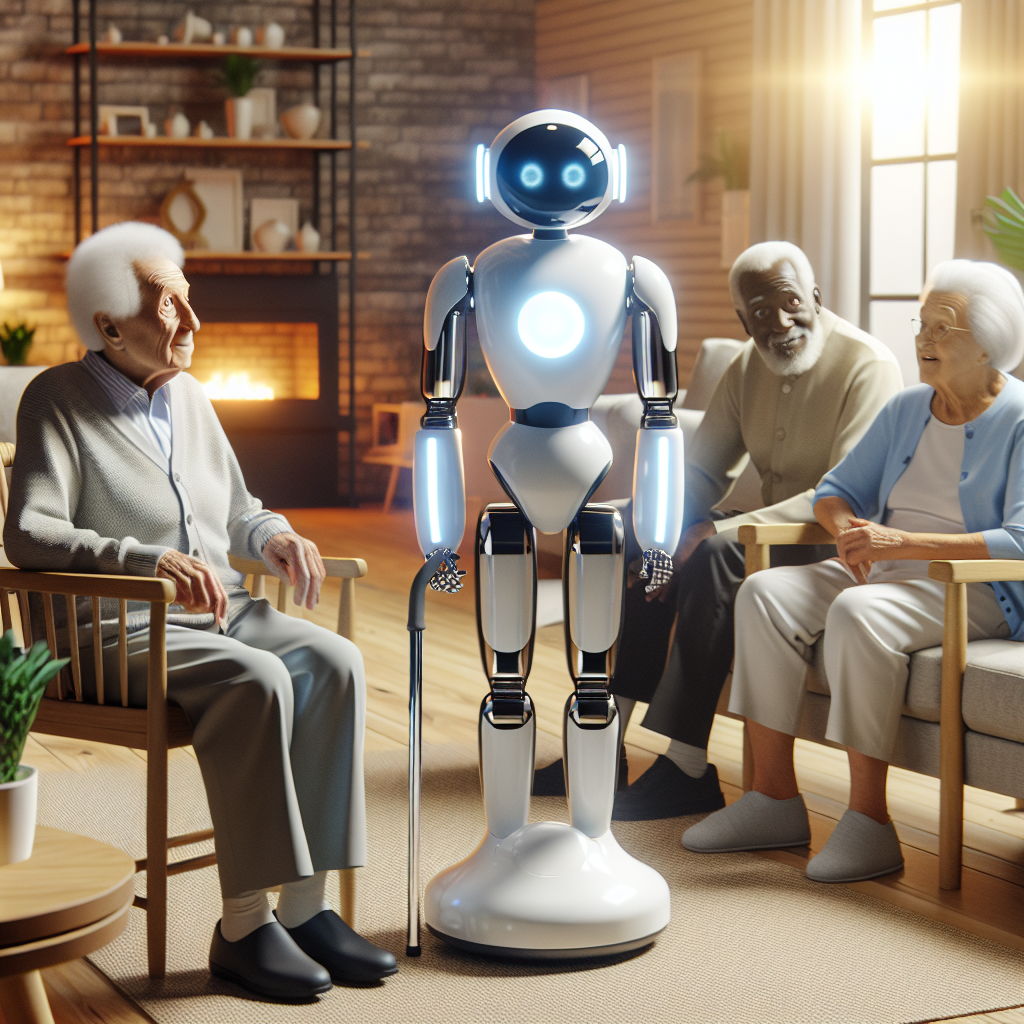
The integration of robotics into elderly care is gaining traction as the global population ages. Recent funding rounds, including a notable 8 billion won (approximately $6.7 million) investment in a South Korean startup focused on developing elderly-friendly robotic interfaces, highlight the growing interest in this sector. As the elderly population is projected to reach 1.5 billion by 2050, the demand for innovative solutions to support this demographic is becoming increasingly urgent.
Market Context: A Growing Need for Elderly Care Solutions
The aging population presents a significant challenge for healthcare systems worldwide. With the number of individuals aged 65 and older expected to double by 2050, traditional caregiving methods may not suffice to meet the needs of this demographic. Robotics offers a potential solution, providing companionship, assistance, and monitoring for seniors, thereby alleviating some of the burdens on human caregivers.
Investment Landscape: Evaluating the Potential
The recent funding round for the South Korean startup underscores a broader trend in the investment landscape. The global robotics market is projected to reach $210 billion by 2025, driven by advancements in artificial intelligence and machine learning. Investors are increasingly looking to capitalize on this growth, but it is essential to assess the viability of specific business models within the elderly care robotics niche.
- Market Viability: Investors must consider whether these robotic solutions can effectively address the unique challenges faced by the elderly. This includes not only functionality but also user acceptance and integration into existing care frameworks.
- Technology Adoption Risks: The adoption of robotics in elderly care may face hurdles, including resistance from both seniors and caregivers. Understanding the factors that influence acceptance is crucial for the success of these technologies.
- Data Privacy Concerns: As robotics increasingly incorporates data-driven features, concerns regarding privacy and data security will need to be addressed. Companies must prioritize the protection of personal information to build trust with users.
Business Model Quality: Assessing the Approach
The business model of developing elderly-centric robots must be scrutinized for its long-term sustainability. While the initial funding is promising, the startup must demonstrate a clear path to profitability. This includes not only the development of effective products but also strategies for scaling operations and reaching target markets.
Moreover, the startup's approach to integrating privacy-preserving technologies into its robots is commendable. However, the focus on data privacy must not overshadow the primary objective of enhancing the quality of life for seniors. Balancing these priorities will be critical as the company moves forward.
Founder Strategy: Vision and Execution
The vision articulated by the startup's leadership reflects a commitment to redefining aging through technology. However, translating this vision into actionable strategies will require a deep understanding of both the technological landscape and the specific needs of the elderly population. Founders must engage with healthcare professionals, caregivers, and potential users to ensure that their products are not only innovative but also practical and beneficial.
Conclusion: A Pivotal Moment for Elderly Care Robotics
The intersection of robotics and elderly care represents a pivotal moment in the evolution of healthcare solutions. As the market continues to expand, stakeholders must navigate the complexities of technology adoption, investment viability, and user acceptance. The recent funding round for the South Korean startup is a testament to the growing interest in this field, but it also serves as a reminder of the challenges that lie ahead.
Investors and entrepreneurs alike must approach this emerging market with diligence, focusing on developing solutions that genuinely enhance the lives of seniors while ensuring that business models are sustainable and scalable. The future of elderly care may very well depend on the successful integration of robotics into everyday life.
Editor's note: This is original market analysis and not investment advice.
What's Your Reaction?
 Like
0
Like
0
 Dislike
0
Dislike
0
 Love
0
Love
0
 Funny
0
Funny
0
 Angry
0
Angry
0
 Sad
0
Sad
0
 Wow
0
Wow
0