

The Emergence of Neuro-Morphic Technology in Employee Retention Strategies
The Emergence of Neuro-Morphic Technology in Employee Retention Strategies By Startup Korea Research Desk | Apr 08, 2026 The intersection of neuroscience and human resource management has gained significant attention in recent years, particularl...

The Emergence of Neuro-Morphic Technology in Employee Retention Strategies
By Startup Korea Research Desk | Apr 08, 2026
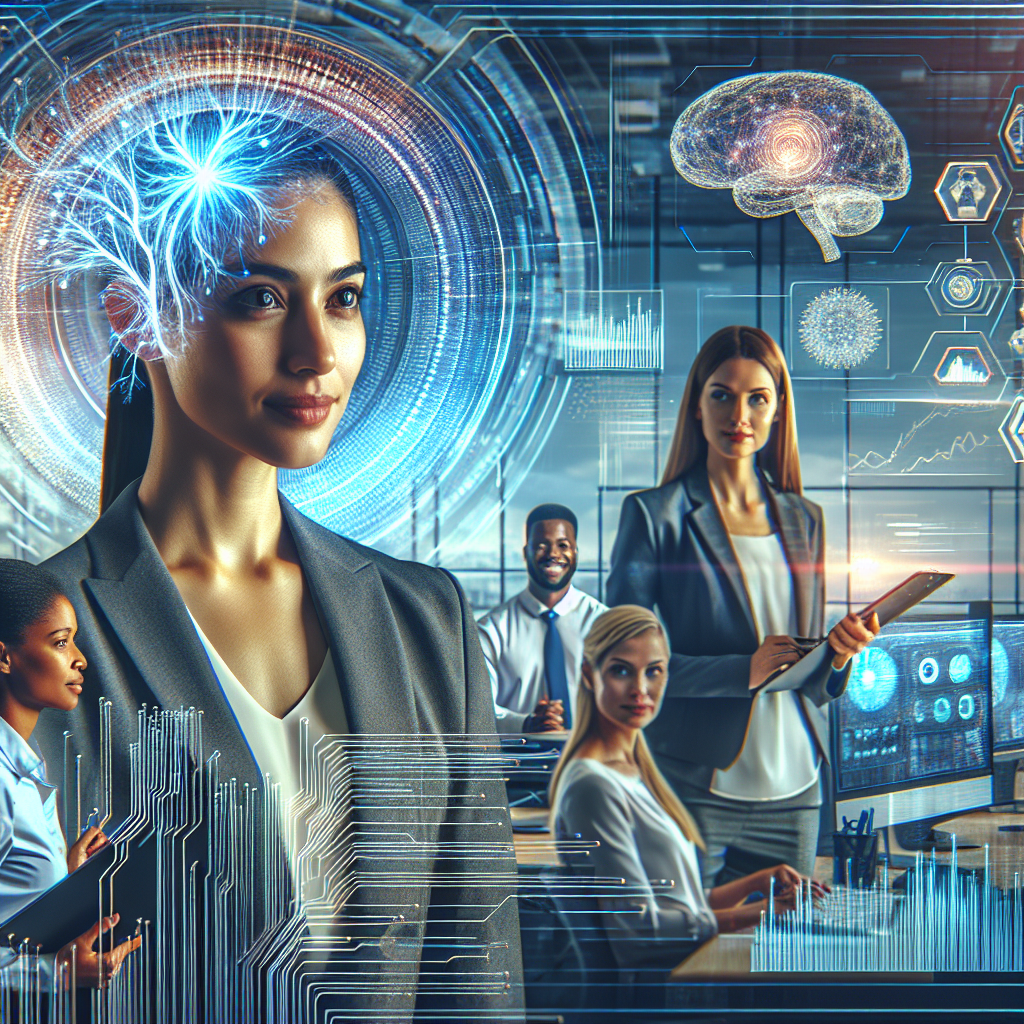
The intersection of neuroscience and human resource management has gained significant attention in recent years, particularly as businesses seek innovative solutions to address employee retention challenges. A recent funding announcement from a startup focused on developing a neuro-morphic employee retention forecasting system has sparked discussions about the potential of this technology and its implications for the workforce.
Understanding Neuro-Morphic Technology
Neuro-morphic technology refers to systems designed to mimic the neural structure and functioning of the human brain. This approach aims to enhance artificial intelligence capabilities, allowing for more sophisticated data analysis and predictive modeling. In the context of employee retention, such technology could provide insights into employee behavior and engagement levels, potentially predicting turnover before it occurs.
The Promise of Predictive Analytics
Predictive analytics has become a cornerstone of modern human resource strategies. By analyzing historical data and identifying patterns, organizations can make informed decisions about talent management. The application of neuro-morphic processors in this domain promises to elevate the accuracy of these predictions. For instance, by assessing various data points—such as employee feedback, performance metrics, and even social interactions—companies could gain a more nuanced understanding of employee sentiment.
Market Trends and Investment Landscape
The recent funding round for a startup focused on neuro-morphic employee retention systems highlights a growing interest among investors in technology-driven HR solutions. As organizations face increasing competition for talent, the demand for innovative tools that enhance employee engagement and retention is on the rise. This trend is reflected in the substantial investments being directed towards startups that leverage advanced technologies to solve traditional HR challenges.
Challenges and Risks of Adoption
While the potential benefits of neuro-morphic technology in employee retention are compelling, there are several challenges and risks associated with its adoption. One primary concern is privacy. Employees may feel uncomfortable with the idea of their behaviors and emotions being monitored and analyzed by sophisticated algorithms. This could lead to a culture of mistrust and anxiety, undermining the very engagement that such systems aim to enhance.
Moreover, the ethical implications of using advanced technology to predict employee behavior must be carefully considered. Organizations need to strike a balance between leveraging data for strategic advantage and respecting the autonomy and dignity of their workforce. Failure to address these concerns could result in backlash from employees and damage to the company's reputation.
Investor Diligence and Market Viability
For investors, the viability of startups developing neuro-morphic HR solutions will depend on several factors. First, the technology must demonstrate a clear value proposition, showing that it can effectively improve retention rates and employee satisfaction. Additionally, startups must be prepared to navigate the regulatory landscape surrounding data privacy and employee monitoring.
Furthermore, investors should assess the scalability of these solutions. As organizations vary significantly in size, culture, and industry, a one-size-fits-all approach may not be effective. Startups will need to tailor their offerings to meet the diverse needs of different organizations, which may require additional resources and strategic partnerships.
Strategic Considerations for Founders
Founders of startups in this space should focus on developing a robust business model that prioritizes transparency and ethical considerations. Engaging with potential customers early in the development process can provide valuable insights into their needs and concerns, allowing for the creation of solutions that are both effective and acceptable to employees.
Additionally, fostering a culture of innovation within the organization will be crucial. As technology continues to evolve, staying ahead of trends and adapting to new developments will be essential for long-term success. Collaborating with experts in neuroscience, data analytics, and human resources can also enhance the credibility and effectiveness of the solutions being offered.
Conclusion
The integration of neuro-morphic technology into employee retention strategies represents a significant shift in how organizations approach talent management. While the potential benefits are substantial, careful consideration of the associated risks and ethical implications is essential. As the market for innovative HR solutions continues to grow, startups must navigate these challenges thoughtfully to succeed in a competitive landscape.
Editor's note: This article provides original market analysis and should not be construed as investment advice.
What's Your Reaction?
 Like
0
Like
0
 Dislike
0
Dislike
0
 Love
0
Love
0
 Funny
0
Funny
0
 Angry
0
Angry
0
 Sad
0
Sad
0
 Wow
0
Wow
0