



The Emergence of AI in Food Technology: Addressing Culinary Bias and Market Opportunities
The Emergence of AI in Food Technology: Addressing Culinary Bias and Market Opportunities By Startup Korea Research Desk | May 18, 2026 The intersection of artificial intelligence (AI) and food technology is gaining traction as startups aim to a...

The Emergence of AI in Food Technology: Addressing Culinary Bias and Market Opportunities
By Startup Korea Research Desk | May 18, 2026
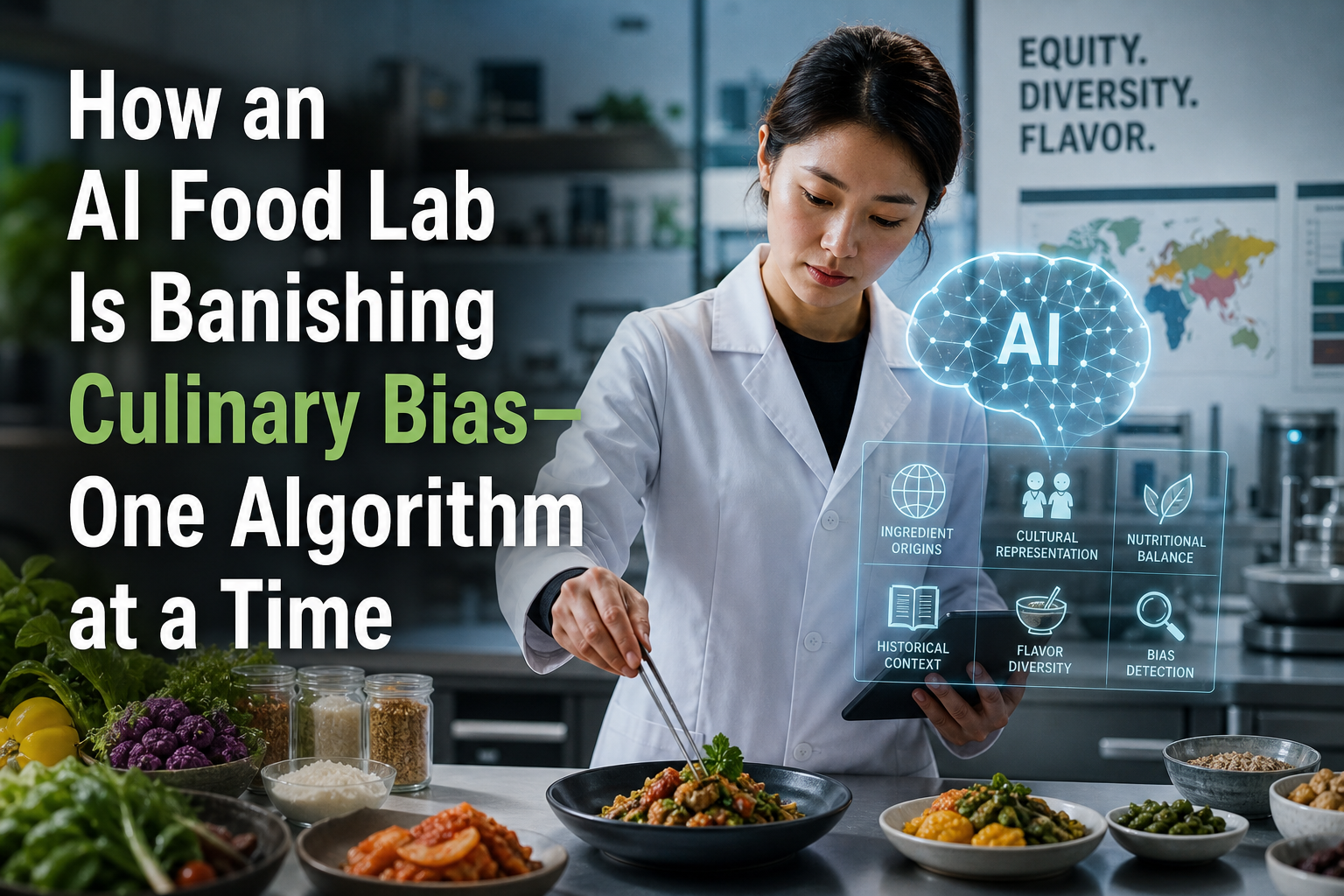
The intersection of artificial intelligence (AI) and food technology is gaining traction as startups aim to address long-standing culinary biases and enhance consumer experiences. One notable player in this space is the AI Food Lab, which has recently attracted significant venture capital interest. This analysis explores the implications of AI in the food sector, the potential for market disruption, and the challenges that lie ahead.
Understanding Culinary Bias and Its Implications
Culinary bias refers to the preconceived notions and societal norms that influence food preferences and consumption patterns. These biases can lead to inequities in food enjoyment, often marginalizing certain cuisines or dietary practices. The AI Food Lab aims to tackle these issues by leveraging advanced algorithms to provide personalized food recommendations that not only cater to individual tastes but also promote inclusivity in culinary experiences.
Market Trends: A Growing Appetite for Food Technology
The food technology sector is witnessing a surge in investment, with venture capitalists increasingly focusing on startups that utilize AI to innovate traditional food systems. In 2026, the venture capital industry is projected to invest over $300 billion in technology startups, with food tech emerging as a particularly attractive segment. This trend reflects a broader consumer demand for personalized and equitable food experiences.
- Increased consumer awareness of dietary restrictions and preferences.
- Growing interest in sustainable and ethical food sourcing.
- Technological advancements enabling more sophisticated food personalization.
Investment Landscape: Diligence and Opportunities
The influx of capital into food tech signifies a robust interest from investors, but it also necessitates thorough due diligence. Investors must evaluate the scalability of AI-driven solutions, the robustness of the underlying technology, and the startup's ability to navigate regulatory landscapes. The AI Food Lab's approach to addressing culinary bias presents a unique value proposition, but investors should consider potential challenges such as market acceptance and competition from established food tech players.
Founder Strategy: Navigating the Culinary Ecosystem
For founders in the food tech space, a clear strategy is essential for success. The AI Food Lab's founder emphasizes the importance of inclusivity in culinary experiences, positioning the startup as a champion of diversity in food. This narrative not only resonates with consumers but also aligns with broader societal trends toward equity and representation.
Moreover, founders must be adept at leveraging partnerships within the culinary ecosystem. Collaborations with restaurants, food producers, and nutritionists can enhance the credibility and reach of AI-driven solutions. By fostering these relationships, startups can create a more comprehensive platform that addresses various aspects of food enjoyment and accessibility.
Challenges and Risks of AI Adoption in Food Tech
While the potential for AI in food technology is significant, several challenges must be addressed. Consumer acceptance of AI-driven recommendations may vary, as some individuals may be hesitant to trust algorithms over traditional culinary expertise. Additionally, the complexity of food preferences and cultural nuances can pose challenges for AI systems in accurately capturing and addressing culinary biases.
Furthermore, as the market becomes increasingly competitive, startups must differentiate themselves through innovation and unique value propositions. The AI Food Lab's focus on inclusivity is a strong differentiator, but maintaining this focus while scaling operations will require careful planning and execution.
Conclusion: The Future of AI in Food Technology
The integration of AI into the food technology sector presents a promising avenue for addressing culinary biases and enhancing consumer experiences. As startups like the AI Food Lab continue to innovate, the potential for market disruption grows. However, navigating the complexities of consumer acceptance, competition, and operational scalability will be critical for long-term success.
In summary, the food technology landscape is evolving rapidly, driven by consumer demand for personalized and equitable food experiences. Investors and founders alike must remain vigilant in their strategies, ensuring that they are well-equipped to capitalize on emerging opportunities while addressing the inherent challenges of this dynamic market.
Editor's note: This is original market analysis and not investment advice.
What's Your Reaction?
 Like
0
Like
0
 Dislike
0
Dislike
0
 Love
0
Love
0
 Funny
0
Funny
0
 Angry
0
Angry
0
 Sad
0
Sad
0
 Wow
0
Wow
0