

The Emergence of AI-Driven Legacy Services: Market Trends and Implications
The Emergence of AI-Driven Legacy Services: Market Trends and Implications By Startup Korea Research Desk | May 12, 2026 In recent years, the intersection of technology and human emotion has given rise to innovative business models that cater to...


The Emergence of AI-Driven Legacy Services: Market Trends and Implications
By Startup Korea Research Desk | May 12, 2026
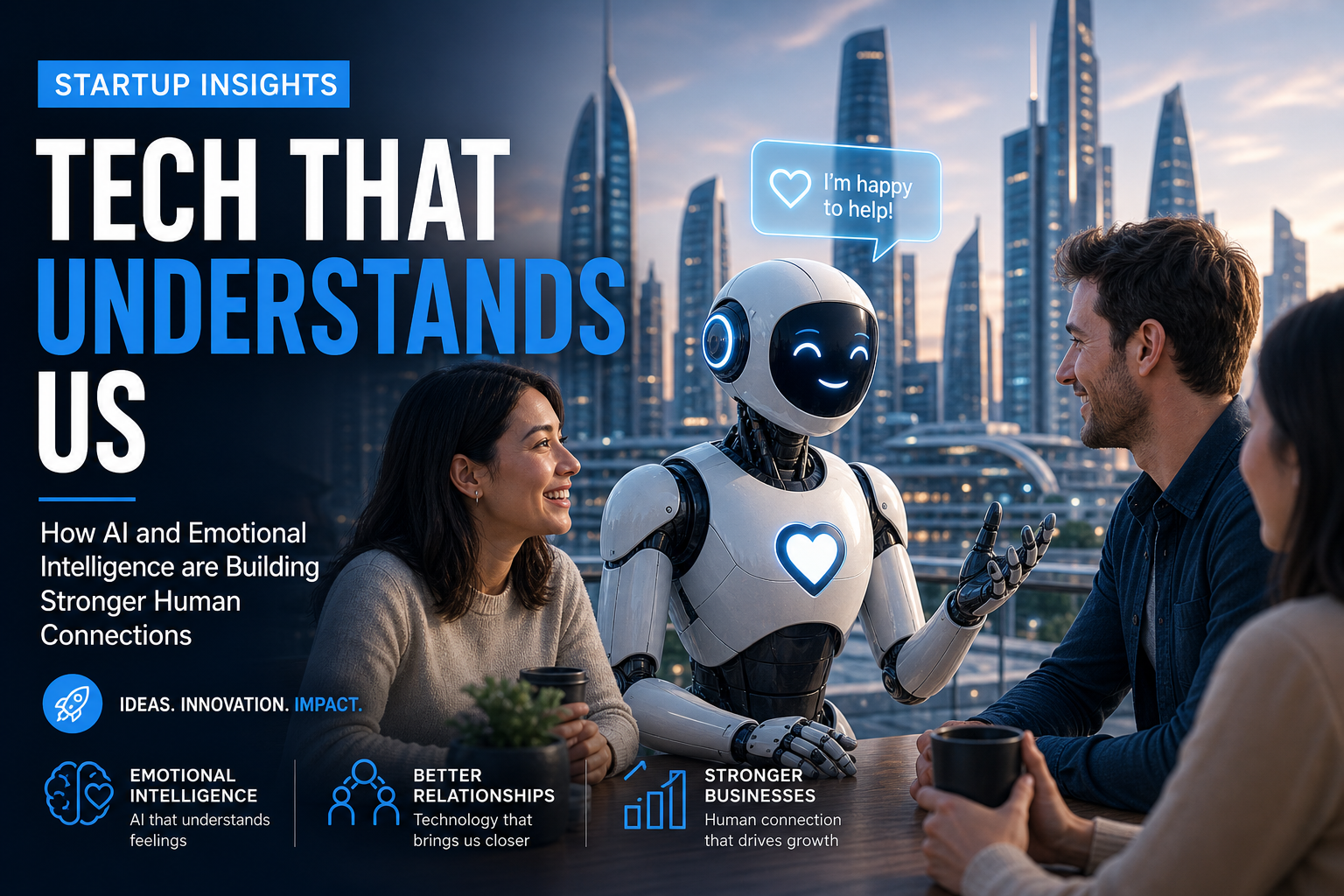
In recent years, the intersection of technology and human emotion has given rise to innovative business models that cater to the complexities of grief and legacy. One notable trend is the emergence of AI-driven legacy services, which allow individuals to maintain a form of communication with deceased loved ones. This analysis explores the market dynamics, potential risks, and strategic considerations for startups operating in this niche.
Market Dynamics: A Growing Demand for Digital Afterlife Services
The digital afterlife services market is experiencing significant growth, driven by a societal shift towards digitization and the increasing acceptance of technology in personal and emotional realms. Recent estimates suggest that the market could reach $3 billion by 2028, with an annual growth rate of approximately 25%. This growth is fueled by changing consumer attitudes towards death and legacy, as individuals seek closure and connection in an increasingly digital world.
Understanding the Business Model
Startups in this space typically offer services that leverage artificial intelligence to create personalized interactions based on the digital footprints left by individuals. These services often involve analyzing past communications, social media interactions, and other digital content to generate responses that mimic the deceased's voice and personality.
While this business model presents unique opportunities for emotional engagement, it also raises ethical questions regarding consent, privacy, and the authenticity of digital interactions. Startups must navigate these complexities to build trust with consumers and ensure compliance with data protection regulations.
Adoption Risks and Consumer Sentiment
The adoption of AI-driven legacy services is not without risks. Consumer sentiment towards such offerings can vary widely, with some individuals embracing the concept as a means of coping with loss, while others may view it as unsettling or disrespectful. This dichotomy presents a challenge for startups aiming to position their services in a way that resonates with a broad audience.
Market research indicates that emotional technology is gaining traction, but startups must be prepared to address concerns regarding the implications of digital afterlife services. Clear communication about the technology's limitations, ethical considerations, and the intended purpose of the service is essential for fostering consumer trust.
Investor Diligence: Evaluating Opportunities in a Niche Market
For investors, the burgeoning market for AI-driven legacy services presents both opportunities and challenges. Due diligence is crucial, as the emotional nature of the product can significantly impact consumer behavior and market viability. Investors should consider the following factors when evaluating potential investments:
- Market Research: Understanding consumer sentiment and market trends is vital for assessing the potential success of a startup.
- Ethical Framework: Startups must demonstrate a commitment to ethical practices, particularly regarding data privacy and consent.
- Technology Validation: Investors should evaluate the technology's capability to deliver authentic and meaningful interactions.
- Founder Expertise: The background and vision of the founding team can significantly influence a startup's trajectory in this sensitive market.
Strategic Considerations for Founders
Founders entering the AI-driven legacy service market must adopt a thoughtful approach to strategy. Key considerations include:
- Consumer Education: Educating potential users about the service's functionality and benefits can help mitigate skepticism and foster adoption.
- Partnerships: Collaborating with organizations in the mental health and grief support sectors can enhance credibility and broaden reach.
- Iterative Development: Continuously refining the technology based on user feedback is essential for improving the service and addressing consumer needs.
- Ethical Marketing: Marketing efforts should be sensitive to the emotional nature of the product, avoiding sensationalism while highlighting the value of connection and closure.
Conclusion
The emergence of AI-driven legacy services represents a fascinating intersection of technology and human emotion. As the market for digital afterlife services continues to evolve, startups must navigate a complex landscape of consumer sentiment, ethical considerations, and technological capabilities. By adopting a thoughtful approach to strategy and investor diligence, founders can position their businesses for success in this unique and growing market.
Editor's note: This analysis is original market research and does not constitute investment advice.
What's Your Reaction?
 Like
0
Like
0
 Dislike
0
Dislike
0
 Love
0
Love
0
 Funny
0
Funny
0
 Angry
0
Angry
0
 Sad
0
Sad
0
 Wow
0
Wow
0