

The Convergence of Sensory Kiosks and Smart Lighting: An Analysis of Market Potential and Risks
By Startup Korea Research Desk | May 20, 2026 In recent developments within the tech industry, the merger of a startup specializing in sensory kiosks with a company focused on smart lighting has sparked discussions about the potential for innova...

By Startup Korea Research Desk | May 20, 2026
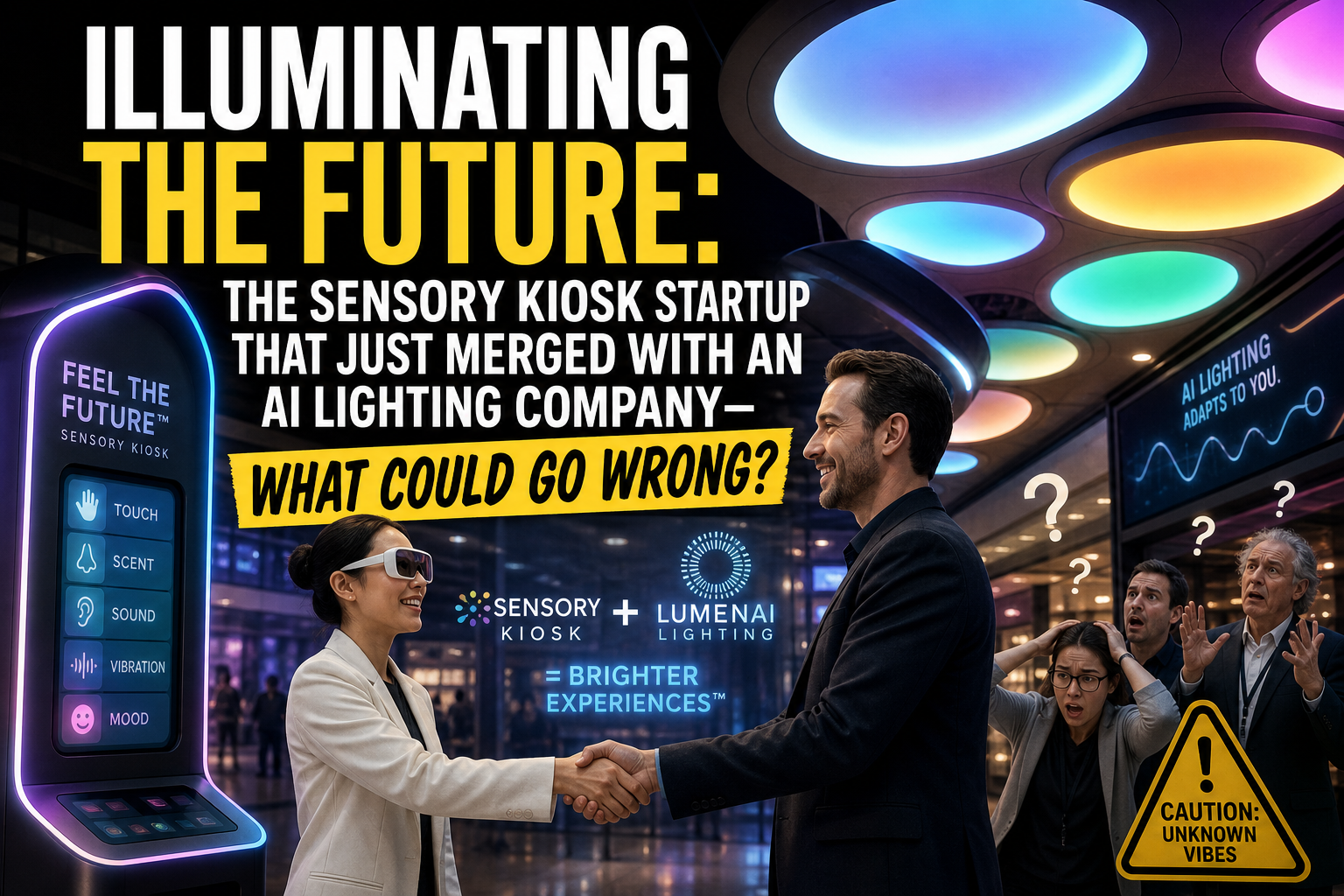
In recent developments within the tech industry, the merger of a startup specializing in sensory kiosks with a company focused on smart lighting has sparked discussions about the potential for innovation at the intersection of these two sectors. This analysis aims to explore the market dynamics, business models, and associated risks of such a convergence.
Market Overview
The global kiosks market is currently valued at approximately $26 billion and is projected to grow at a compound annual growth rate (CAGR) of 12.5%. Concurrently, the smart lighting market is on a robust growth trajectory, with estimates suggesting it could reach $75 billion by 2028. The convergence of these two markets presents a unique opportunity for businesses to create interactive experiences that enhance user engagement.
Business Model Viability
The merger aims to develop kiosks that not only provide information and services but also adapt their lighting based on user emotions. This approach could redefine customer interactions in various sectors, including retail, hospitality, and public services. By integrating emotional user experience (UX) with responsive lighting, companies can potentially increase customer satisfaction and drive sales.
- Enhanced Customer Engagement: By tailoring the environment to the emotional state of the user, businesses can create a more immersive experience that encourages longer dwell times and increased spending.
- Differentiation in Competitive Markets: As competition intensifies across industries, offering a unique sensory experience could serve as a significant differentiator for businesses.
- Data-Driven Insights: The integration of emotional analytics can provide businesses with valuable insights into customer behavior, enabling more targeted marketing strategies.
Adoption Risks and Challenges
While the prospects of this merger are intriguing, several risks and challenges must be considered:
- Technical Feasibility: The technology required to accurately assess and respond to user emotions is still in its infancy. Ensuring reliability and consistency in performance will be critical.
- Consumer Acceptance: There may be hesitance among consumers to engage with technology that claims to interpret their emotional states. Building trust and demonstrating value will be essential for adoption.
- Operational Costs: The integration of advanced technology may lead to increased operational costs, which could impact pricing strategies and profitability.
Investor Considerations
For investors, the merger presents both opportunities and challenges. Diligence is required to assess the long-term viability of the business model and the scalability of the technology. Key factors to consider include:
- Market Demand: Understanding the target market and its willingness to embrace sensory kiosks will be crucial in forecasting revenue potential.
- Competitive Landscape: Analyzing competitors in both the kiosk and smart lighting sectors will help gauge the merger's positioning and potential market share.
- Regulatory Environment: Compliance with data privacy regulations will be a significant consideration, especially when dealing with user data related to emotional states.
Strategic Recommendations for Founders
For founders navigating this new venture, several strategic recommendations can enhance the likelihood of success:
- Focus on User Experience: Prioritize the development of a seamless and intuitive user interface that enhances the emotional engagement of customers.
- Iterative Development: Adopt an agile approach to product development, allowing for rapid iterations based on user feedback and technological advancements.
- Partnerships and Collaborations: Consider strategic partnerships with established players in both the kiosk and smart lighting industries to leverage existing expertise and market presence.
Conclusion
The merger of sensory kiosks and smart lighting represents a fascinating intersection of technology and user experience. While the potential for innovation is significant, careful consideration of market dynamics, adoption risks, and strategic execution will be essential for success. As the industry evolves, stakeholders must remain vigilant in adapting to changing consumer preferences and technological advancements.
Editor's note: This article provides original market analysis and is not intended as investment advice.
What's Your Reaction?
 Like
0
Like
0
 Dislike
0
Dislike
0
 Love
0
Love
0
 Funny
0
Funny
0
 Angry
0
Angry
0
 Sad
0
Sad
0
 Wow
0
Wow
0