

Startup Revives Culinary Memories with $300 Million AI Gateway: A Recipe for Success or Disaster?
By StartupKorea Business Desk | Feb 26, 2026 Tasting the Past: Food Nostalgia Restored with AIIn an era where instant gratification reigns supreme, one startup is betting on the power of memories and flavors to rekindle the fading art of no...


By StartupKorea Business Desk | Feb 26, 2026
Tasting the Past: Food Nostalgia Restored with AI
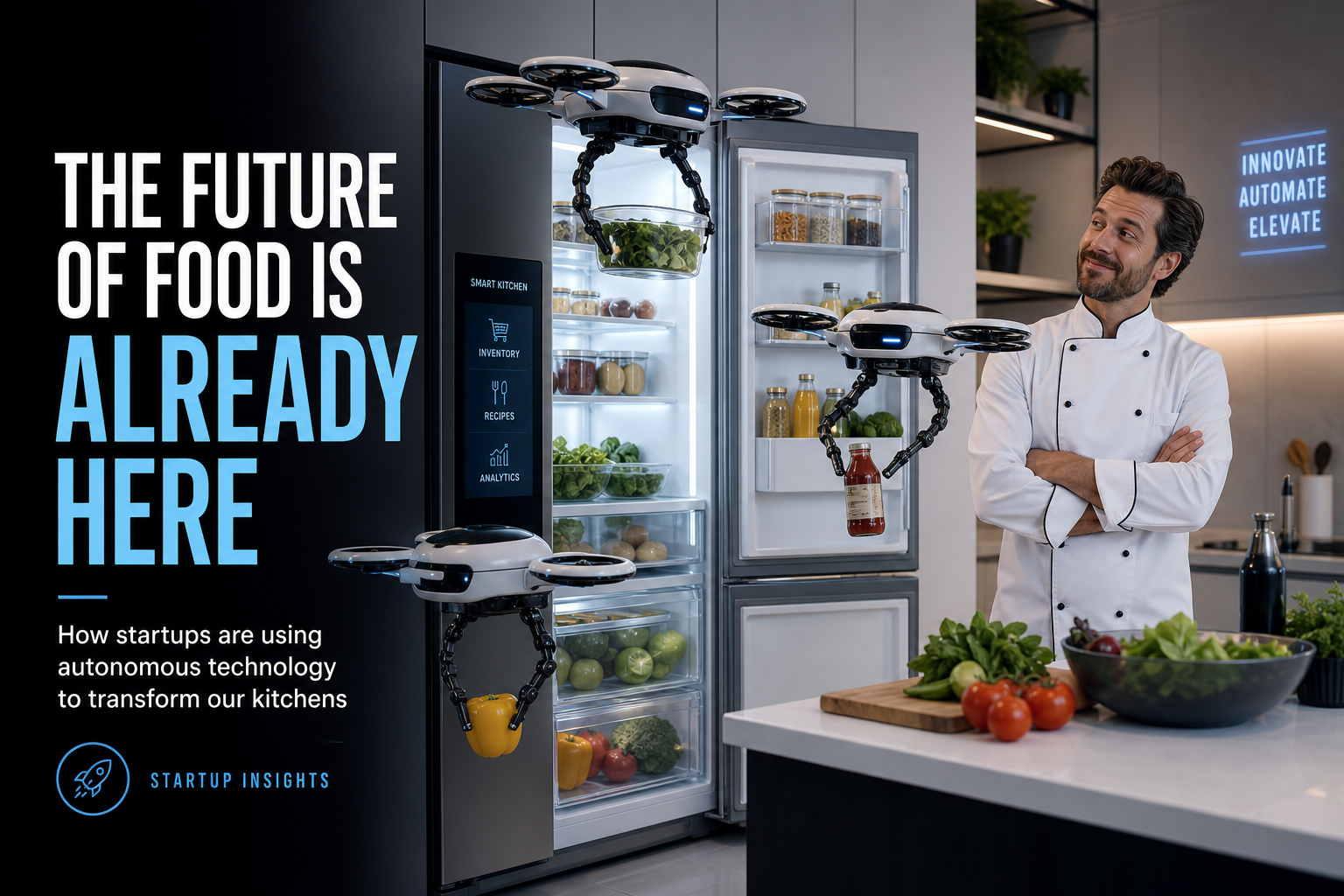
In an era where instant gratification reigns supreme, one startup is betting on the power of memories and flavors to rekindle the fading art of nostalgia. Today, TasteTime Inc. announced a jaw-dropping $300 million strategic investment to launch its innovative service aimed at restoring culinary memories through local AI inference gateways.
Founded in 2024 by former chefs and tech entrepreneurs, TasteTime aims to capitalize on what they term 'food nostalgia'—the idea that our fondest memories are intertwined with our taste experiences. This ambitious project promises that with the right algorithms, anyone can relive mom's signature lasagna or that unforgettable street taco from a distant vacation.
A Recipe for Investment
The hefty investment comes amid a growing trend in the startup economy, where investors are increasingly throwing money at tech solutions that promise to 'disrupt' traditional industries. According to recent reports from Crunchbase, investment in food tech companies reached a record $4 billion in 2025 alone—up 15% from the previous year—demonstrating a clear appetite for innovation, however absurd it may be.
Strategic Insights from Stakeholders
“This isn’t just about food; it’s about emotional connections,” said Emily Chen, CEO of TasteTime. “We’re leveraging AI to tap into the richest source of human experience—memories associated with food. Who doesn’t want to taste their childhood again?”
Investor Mark Thompson, who has backed TasteTime since its inception, expressed his enthusiasm: “It’s a once-in-a-lifetime opportunity to blend AI with deep-seated nostalgia. It’s a gold mine, or at least a glittering mound of mashed potatoes.”
Market Context: A Bitter Recipe for Success
Despite the enthusiasm, the market for food nostalgia services is not without its challenges. The global food tech industry is projected to grow at a compound annual growth rate (CAGR) of 12%, but experts warn of potential pitfalls. Analyst Rachel Johnson remarked, “Investors should be cautious. The entire premise is predicated on the assumption that people want to remember their meals instead of just eating them.”
Moreover, the viability of TasteTime’s local AI gateways hinges on the availability and accuracy of data. The startup claims to harness a data pool from local restaurants, home cooks, and even family recipes to create personalized culinary experiences. Yet, this raises questions about data privacy and the ethical implications of commodifying personal memories.
Risks and Constraints: A Side Dish of Doubt
While the startup's concept may seem appetizing, it is not without its risks. The idea of transforming subjective culinary experiences into a quantifiable product is fraught with challenges. For one, sensory experiences are notoriously difficult to replicate. What happens when the AI fails to evoke the intended memory, leaving customers with nothing but disappointment?
Furthermore, critics argue that such a service could trivialize genuine culinary experiences. “You can’t just slap an AI on nostalgia and expect it to taste the same,” cautioned food critic Jonathan Reed. “Nostalgia isn’t a commodity; it’s a fundamental human experience that can’t be programmed.”
Opposing Viewpoints: The Taste of Skepticism
As the startup gears up for its official launch in late 2026, several food industry veterans are voicing skepticism. “We’re in a culinary renaissance, and this is not the way to honor it,” said renowned chef Laura Martinez. “Food is about tradition, creativity, and culture—not just algorithms.”
Despite these critiques, the fervor for food nostalgia continues to simmer, with TasteTime’s early user testing showing promising results among target demographics. However, whether this will translate into a sustainable business model remains to be seen.
The Final Bite: Will Nostalgia Pay Off?
As TasteTime prepares for its grand debut, the culinary world watches with bated breath. Will this audacious blend of technology and nostalgia become the next big thing, or will it serve up a plateful of disappointment? Only time will tell if the taste of the past is worth its weight in gold—or, at the very least, in artisanal avocado toast.
What's Your Reaction?
 Like
0
Like
0
 Dislike
0
Dislike
0
 Love
0
Love
0
 Funny
0
Funny
0
 Angry
0
Angry
0
 Sad
0
Sad
0
 Wow
0
Wow
0