
Startup Launches AI Nagging Service: Will Synthetic Biology Chips Make Us More Anxious or Just Better at Ignoring Them?
By StartupKorea Business Desk | Mar 22, 2026 Welcome to the Future: Where Your AI Assistant is Just As Annoying as Your MotherA new startup has recently captured the attention of investors and critics alike with its innovative AI nagging se...

By StartupKorea Business Desk | Mar 22, 2026
Welcome to the Future: Where Your AI Assistant is Just As Annoying as Your Mother
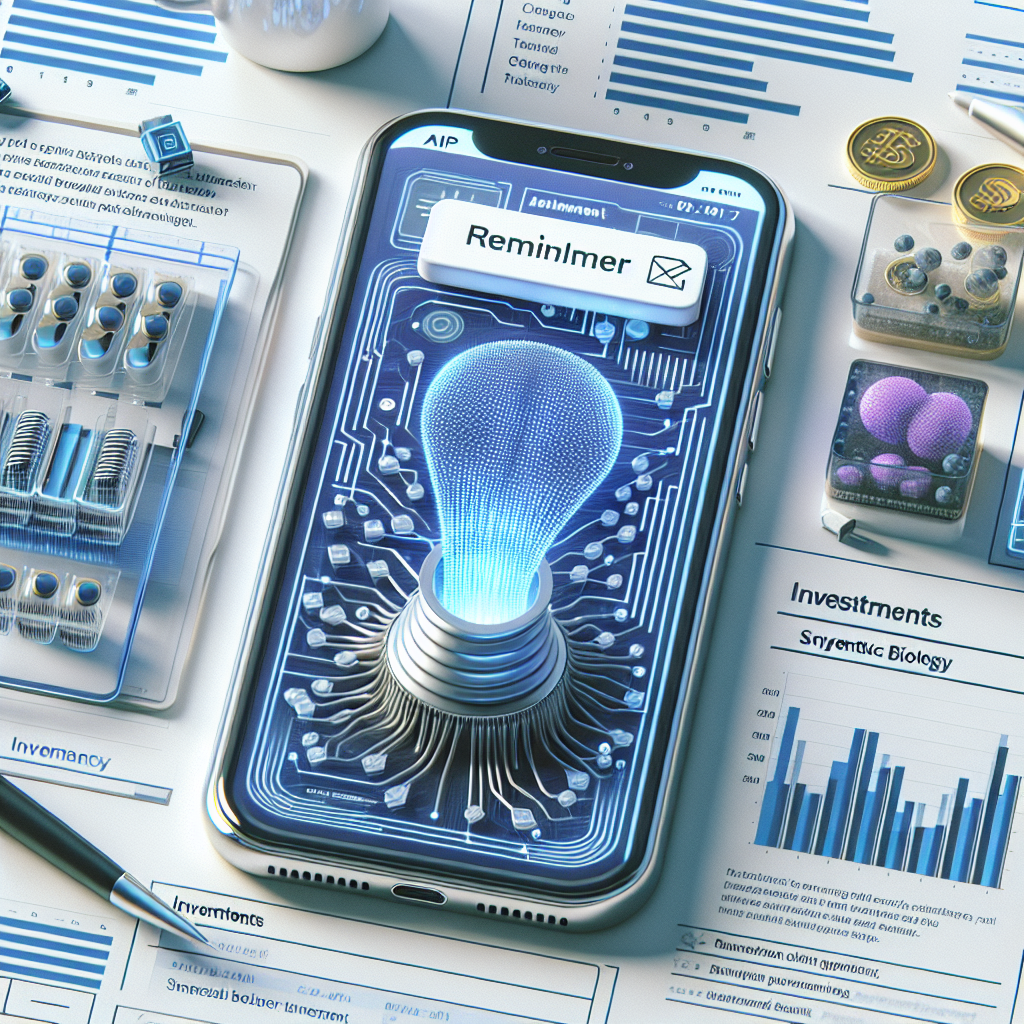
A new startup has recently captured the attention of investors and critics alike with its innovative AI nagging service, cleverly dubbed 'NagNet.' With an impressive $5 million in seed funding, the endeavor aims to leverage synthetic biology chips to create a nagging experience that’s eerily similar to having your mother in your pocket—minus the guilt trips (or so they claim). As we enter 2026, the intersection of artificial intelligence and synthetic biology is proving to be a ripe breeding ground for both brilliant innovations and absurdities.
Why Now? The Rise of the AI Overlords
The tech landscape is undergoing a transformation, as AI technology continues to infiltrate our daily lives. In the last five years alone, the market for AI-driven personal assistants has skyrocketed by 300%. Yet, as the saying goes, 'with great power comes... more nagging.' With the launch of NagNet, the company seeks to fill that unique niche of providing unsolicited advice on everything from diet to personal finance.
"In an age where productivity is worshipped, why not have an AI that reminds you of the 47 things you should be doing right now?" said CEO Jane P. Nagger, a self-proclaimed expert in annoying innovations. "It's like having a life coach who also has a PhD in guilt. We take the nagging you love to hate and put it in an app. What’s not to love?"
Synthetic Biology Chips: The Secret Sauce?
At the heart of NagNet's proposition lies their synthetic biology chip, designed to synthesize emotional cues based on user data. With a projected market growth of 20% per year, synthetic biology is the new Silicon Valley gold rush, and it appears that NagNet plans to ride this wave of enthusiasm straight into the hearts—and minds—of consumers everywhere.
Investor Bob C. Moneybags, who has already committed $500,000 to NagNet, is optimistic about the potential. "This could very well be the Uber of emotional support. Why hire a therapist when you can pay a monthly fee for an AI that will remind you of all your flaws?"
Market Context: Numbers That Speak Volumes
The startup ecosystem is buzzing with similar investments, with over $50 billion poured into AI and biotech ventures in the last year alone. Yet, as the capital flows, so do the challenges. The overall market for synthetic biology chips is expected to reach $10 billion by 2030, but there are clouds forming on the horizon.
- AI personal assistant market: $35 billion
- Projected synthetic biology market growth: 20% annually
- Investor funding in AI: $50 billion (2025)
Risks and Complications: Are We Ready for This?
Despite the clever marketing, not everyone is convinced that a nagging AI is a good idea. Critics raise concerns about the psychological implications of having an algorithm designed to annoy us. Psychologist Dr. Ann O. Noyance argues, "There’s a fine line between motivation and manipulation. Let’s not forget that AI is still learning how to be human, and sometimes, that just means being annoying."
Moreover, the ethical questions surrounding synthetic biology are enough to make even the most optimistic investors pause. With regulations tightening, startups in this sector may find themselves navigating a minefield of compliance as they strive to marry nagging with science.
Conclusion: A Future of Joyful Nagging?
As the world moves forward into an era dominated by AI and biotechnology, the absurdity of our new digital companions becomes more apparent. The question remains: will we embrace the nagging, or will we rebel against our own creations? NagNet’s journey will be a fascinating case study in the complexities of human emotion and technology.
In the end, while investors may dream of dollar signs, consumers may just want a little peace and quiet—without the guilt trips.
What's Your Reaction?
 Like
0
Like
0
 Dislike
0
Dislike
0
 Love
0
Love
0
 Funny
0
Funny
0
 Angry
0
Angry
0
 Sad
0
Sad
0
 Wow
0
Wow
0