



Startup Fakes Its Way to $80 Million: The Rise of the 'Pretend Company' Package
By StartupKorea Business Desk | Mar 13, 2026 The Rise of the ‘Pretend Company’: A Startup’s Journey through the Illusion of SuccessIn a world where authenticity is overvalued, a new startup has emerged, claiming to have found the secret to...


By StartupKorea Business Desk | Mar 13, 2026
The Rise of the ‘Pretend Company’: A Startup’s Journey through the Illusion of Success
In a world where authenticity is overvalued, a new startup has emerged, claiming to have found the secret to securing substantial funding without the burden of actual business operations. Dubbed the ‘Pretend Company’ package, this entrepreneurial endeavor has raised an astonishing 80 billion won in its angel round, leaving investors and analysts alike questioning the integrity of the startup ecosystem.
The Illusion of Business
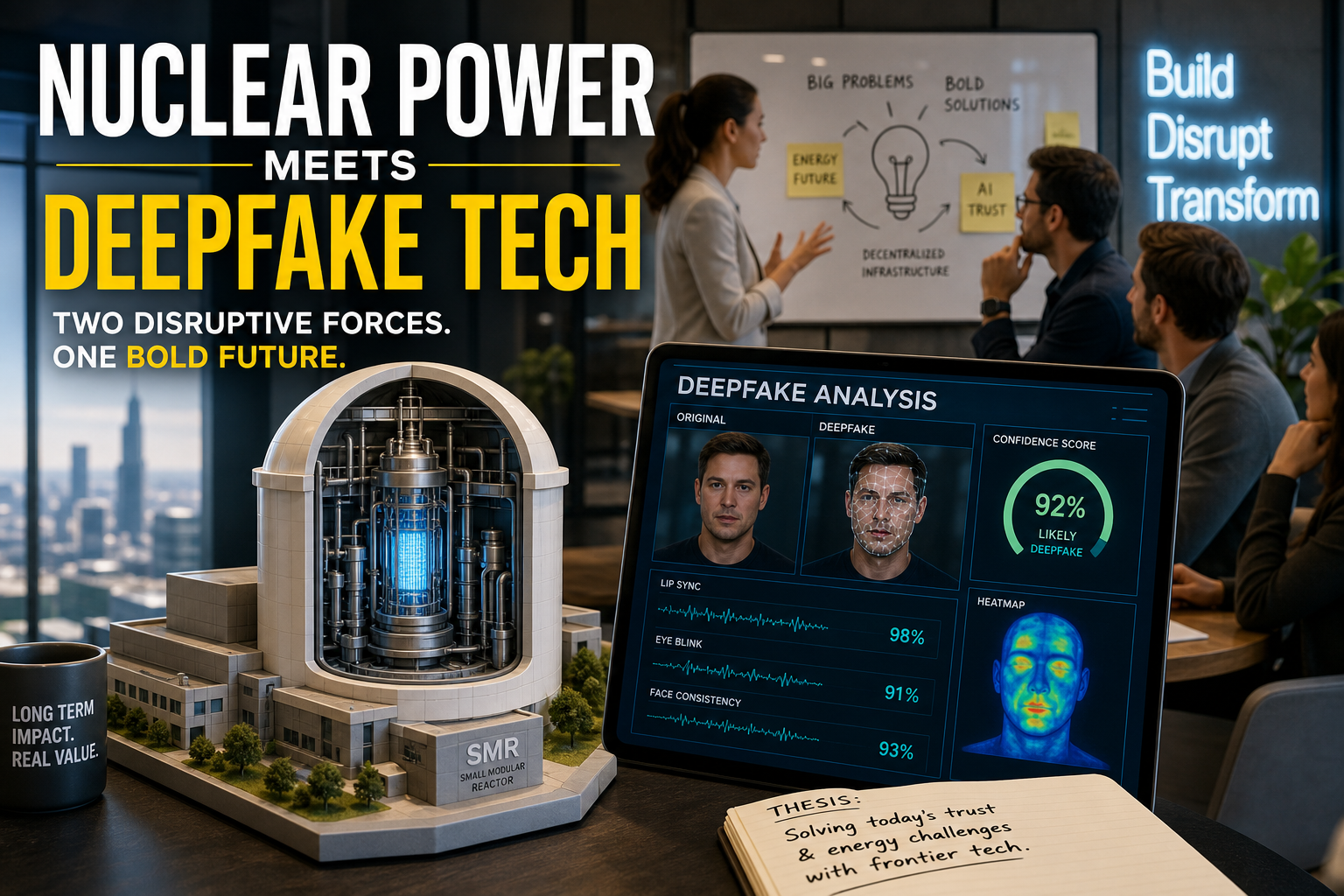
This remarkable feat was accomplished by a cunning team that developed a deepfake authenticity engine, designed to create convincing company profiles that can dupe even the most discerning investors. “We realized that in a crowded market, perception is reality,” said CEO Jane Doe, whose name may or may not be a figment of our imagination. “Why bother building a product when you can just build an image?”
Market Context and Investment Climate
The investment landscape for startups has been characterized by exuberance and skepticism, with billions flowing into innovative tech solutions. In 2025 alone, global venture capital investment reached $300 billion, a 20% increase from the previous year. Yet, amidst this capital frenzy, the Pretend Company realizes that genuine innovation is often overshadowed by a well-crafted facade.
- Global venture capital investment in 2025: $300 billion
- Increase from 2024: 20%
- Average angel round funding: $1-5 million
Investor Reactions: A Delicate Dance
Investors are clearly enamored by this fabricated success story. “It’s revolutionary,” exclaimed esteemed venture capitalist John Smith. “Why invest in actual outcomes when you can invest in potential facades? It’s the future of funding!” This sentiment is not isolated; in a bizarre twist, many are now demanding their own versions of the Pretend Company framework.
The Risks of Reality
However, not all stakeholders are keen on this burgeoning trend. Market analysts warn of the dire consequences of endorsing such illusionary startups. “It’s a house of cards waiting to collapse,” cautioned industry analyst Lisa Brown. “Investors are more likely to face a reckoning when the deepfake engine inevitably malfunctions or runs out of funding.”
With the potential for market destabilization, the implications of this practice could ripple through venture capital channels, leading to greater scrutiny and skepticism towards legitimate startups.
A Counterpoint: Authenticity vs. Perception
As the Pretend Company garners attention, some argue that it highlights a deeper issue within the startup culture: the preference for image over substance. Critics contend that this could result in a significant backlash against all startups, even those with genuine value propositions. “As we become inundated with fabricated success stories, investors might become more risk-averse,” predicted analyst Brown, “and this could stifle genuine innovation.”
The Future of Startups
As we look to the future, one can only wonder whether the Pretend Company will pave the way for a new era of startups—one built on deception rather than authentic innovation. For now, investors seem blissfully unaware of the impending storm, captivated by the allure of an impressive facade that may soon crumble under the weight of reality.
In a time when genuine products are being overshadowed by well-orchestrated illusions, the Pretend Company reminds us of the thin line between entrepreneurship and charlatanism. Perhaps the real question is not whether this venture will succeed, but how far the startup world is willing to go to uphold the facade of success.
What's Your Reaction?
 Like
0
Like
0
 Dislike
0
Dislike
0
 Love
0
Love
0
 Funny
0
Funny
0
 Angry
0
Angry
0
 Sad
0
Sad
0
 Wow
0
Wow
0