

Sensory Overload: Is the World Ready for a Restaurant SaaS That Ticks All Five Senses?
By StartupKorea Business Desk | Jun 01, 2026 Revolutionizing the Restaurant Experience, One Sensory Input at a TimeIn an audacious move set to redefine dining, SensorySync, a startup that has somehow convinced investors of its brilliance, h...

By StartupKorea Business Desk | Jun 01, 2026
Revolutionizing the Restaurant Experience, One Sensory Input at a Time
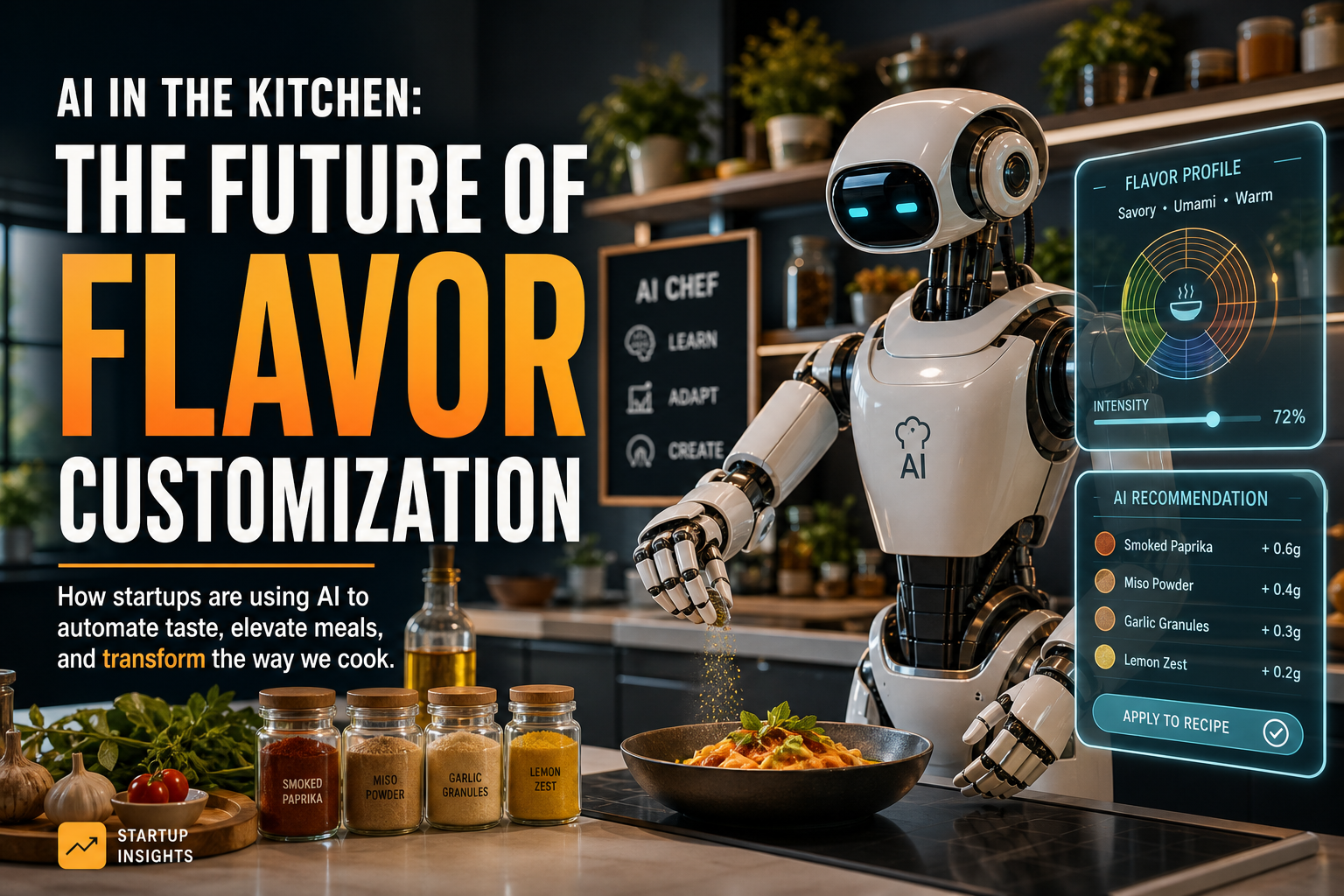
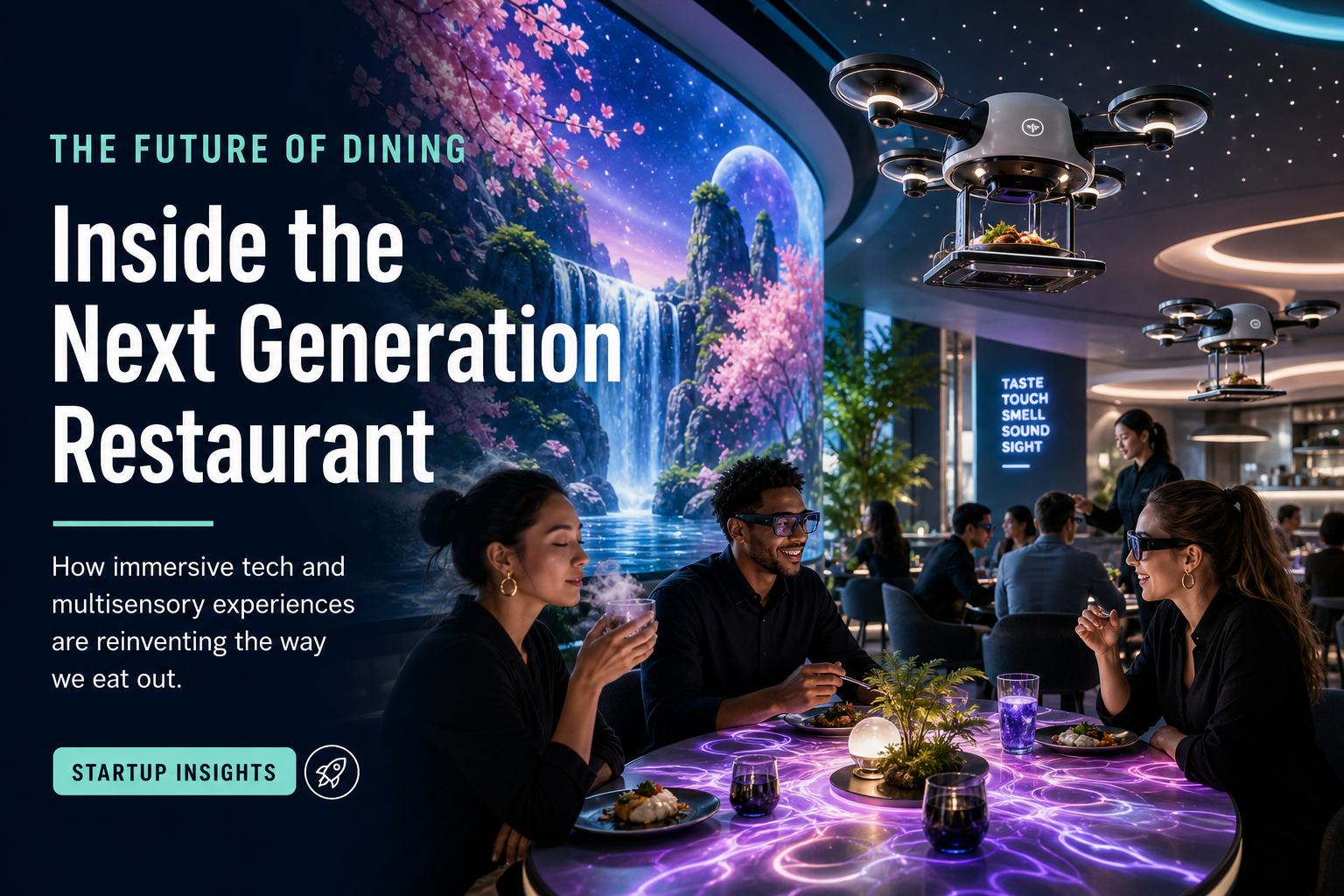
In an audacious move set to redefine dining, SensorySync, a startup that has somehow convinced investors of its brilliance, has unveiled its all-encompassing SaaS (Software as a Service) designed to operate sensory restaurants. The platform, which integrates a proprietary vertiport management system, promises to tantalize not only taste buds but also sight, sound, smell, and touch. The startup secured a staggering $10 million in a recent venture capital deal, igniting debates on whether we are witnessing gastronomic genius or the culinary equivalent of a Rube Goldberg machine.
A Feast for the Senses—And Investors
SensorySync's CEO, Amanda Palate, enthused, "Our platform is designed for the modern restaurateur who wants to elevate the dining experience to a multisensory odyssey. Why settle for just taste when you can serve a symphony of sensations?" The startup claims that its software can seamlessly blend immersive environments with fine dining, engaging customers in a manner reminiscent of a live theater performance, albeit with the possibility of food poisoning.
This fundraising round, led by Unimpressed Capital, is part of a broader trend where investors are increasingly throwing money at any startup that whispers the magic word 'experience.' Analysts estimate that the market for experiential dining will grow by 25% annually, reaching a projected $250 billion by 2028. It seems that in the eyes of investors, throwing cash at a concept centered around sensory overload is more appealing than, say, investing in traditional dining establishments that actually make a profit.
Technological Wonders or Culinary Faux Pas?
But not everyone is convinced. Industry analysts highlight significant risks associated with this venture. Victor Plate, a renowned food technology analyst, remarks, "While the concept of a five-sense restaurant is intriguing, it risks becoming a gimmick. If the food isn’t good enough, no amount of audiovisual stimulation will save the meal. It’s like putting lipstick on a pig—no one wants to eat a pig, no matter how colorful the lipstick is."
Moreover, the complexities involved in managing such a sophisticated system raise questions about operational feasibility. The vertiport management aspect—essentially coordinating airborne deliveries from suppliers—has some skeptics scratching their heads. "Imagine a drone delivering your artisanal cheese while you are simultaneously bombarded with the sound of crashing waves and the scent of fresh lavender. It sounds great until the drone hits your restaurant’s roof," Plate adds, his sarcasm as thick as the cream in a poorly made risotto.
Investment Trends: The Dangerous Allure of the Sensory Experience
The allure of 'sensory dining' may serve as a distraction from the more pressing issues in the restaurant industry, such as labor shortages, rising food costs, and the ever-present threat of a pandemic flare-up. While the total investment in restaurant technology is expected to reach $10 billion in 2026, the question remains: will customers actually crave the audio-visual delights of a restaurant experience when they can get a perfectly good burger at home without the theatrics?
A Future Filled with Unexpected Flavors?
As SensorySync prepares to launch its pilot program in select metropolitan areas, early adopters will undoubtedly provide valuable insights—or, more likely, priceless TikTok content. For now, investors are banking on the hope that consumers will choose this extravagant sensory experience over traditional dining options, following their noses (and ears and eyes) into a culinary wonderland.
Despite the heavy investment and the positive projections, the startup’s success may hinge on a far more mundane question: can a restaurant actually deliver a meal worth the price of admission? Or will diners feel like they’ve just attended a Broadway show, only to find the food resembles a school cafeteria meal?
- Total investment in restaurant technology expected to reach $10 billion by 2026.
- Projected growth of experiential dining market at 25% annually, reaching $250 billion by 2028.
As we await the first wave of sensory dining experiences, one can only hope that the actual food served doesn’t take a backseat to the light shows and soundscapes. After all, who wants to pay a premium for a plate of artistic nonsense? If this trend continues, dining out may soon feel more like a visit to an art gallery than a meal. And that, dear readers, may just be the most absurd twist of all.
What's Your Reaction?
 Like
0
Like
0
 Dislike
0
Dislike
0
 Love
0
Love
0
 Funny
0
Funny
0
 Angry
0
Angry
0
 Sad
0
Sad
0
 Wow
0
Wow
0