
Self-Storage Exits Sandbox for Full Legalization
The self-storage (shared storage facility) industry, which has been rapidly growing due to the increase in single-person households and the problem of cramped living spaces, and is expected to grow to approximately 1.8 billion USD by 2030,...
Editorial context: This article is part of Startup Korea's original market analysis coverage. It is written to explain startup trends, business model risks, and technology adoption signals for general information, not as investment advice.

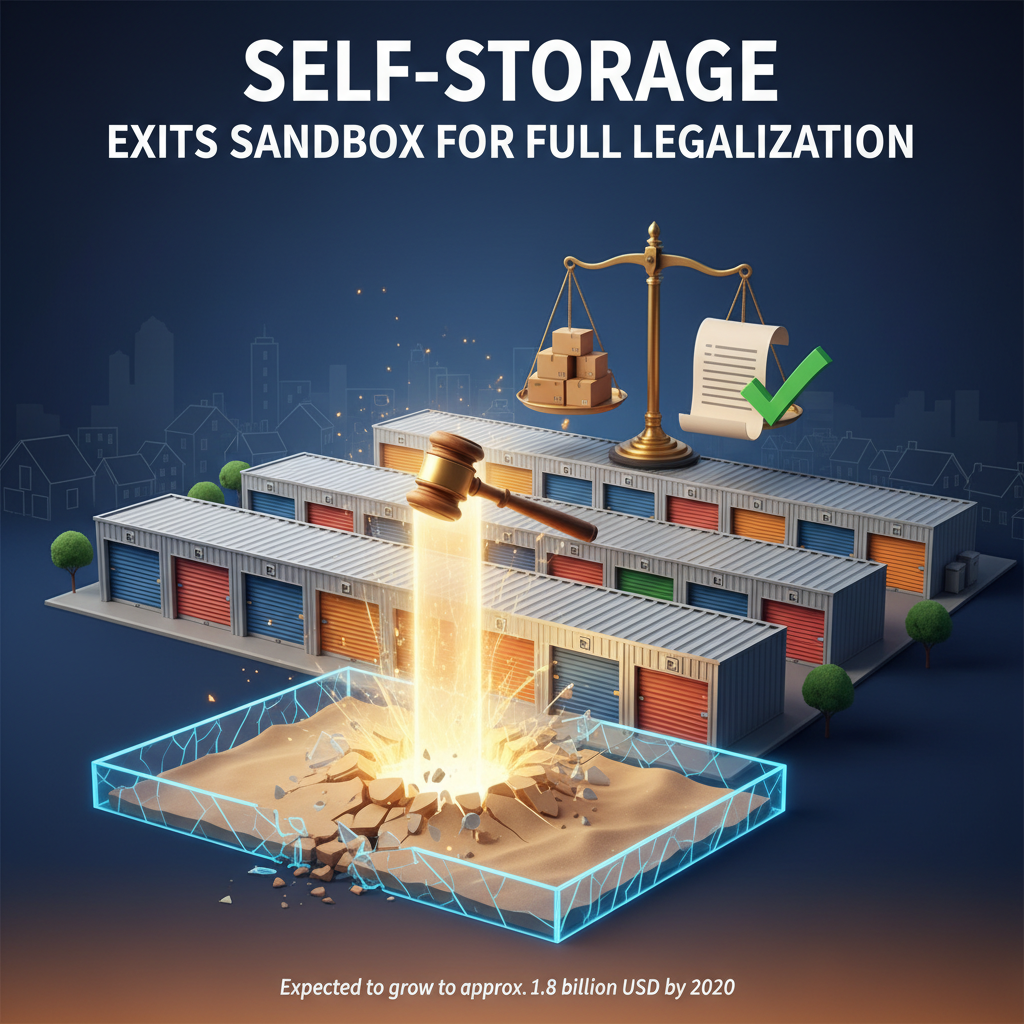
The self-storage (shared storage facility) industry, which has been rapidly growing due to the increase in single-person households and the problem of cramped living spaces, and is expected to grow to approximately 1.8 billion USD by 2030, has finally secured legal stability, paving the way for regulatory relief.
In its early stages, self-storage was a new industry not even defined in existing laws. It was classified as a 'warehouse facility,' making urban operation difficult, being designated an illegal facility, and even receiving demolition orders, thus facing an existential crisis. Despite being a lifestyle service, excessive building code regulations had hampered its progress.
This problem found a clue to its solution by receiving recognition for limited business rights through the government's regulatory sandbox. Crucially, a fundamental solution was established with the creation of the 'shared storage facility' category in building uses, in accordance with the amended Enforcement Decree of the Building Act, which took effect on August 26th. In particular, facilities with a total floor area of less than 1,000㎡ were added to the sub-categories of Class 2 neighborhood living facilities, enabling their legal operation within urban areas.
Behind this regulatory innovation was the active support of the Seoul Metropolitan Government and the Seoul Business Agency (SBA). When 'Second Syndrome (Mini Warehouse Darak)' faced a demolition crisis, they provided legal support and assistance in response. Taking this as an opportunity, they also provided professional consultation, consulting, regulatory sandbox approval, and even demonstration project funding to four other self-storage companies facing similar difficulties.
Since 2022, the Seoul Metropolitan Government and SBA have been operating the 'Regulatory Innovation Support Team,' discovering regulatory challenges faced by startups in new industries, providing free legal support and consulting for regulatory sandbox applications, and supporting approved companies with up to 50 million KRW in demonstration project funds. Through these efforts, over the past four years, they have achieved results such as supporting 147 cases of corporate regulatory relief, assisting 30 companies with regulatory exception demonstration projects, and securing 28 government regulatory sandbox approvals.
Kim Hyun-woo, CEO of the Seoul Business Agency, emphasized that self-storage is a growth engine that meets citizens' lifestyle needs and enhances urban competitiveness. He also stated that public discussion and follow-up support would continue until regulations hindering the growth of new industries are completely resolved. This demonstrates Seoul's commitment to strengthening the city's future competitiveness through nurturing new industries.
What's Your Reaction?
 Like
0
Like
0
 Dislike
0
Dislike
0
 Love
0
Love
0
 Funny
0
Funny
0
 Angry
0
Angry
0
 Sad
0
Sad
0
 Wow
0
Wow
0