

Robotic Cooking and Holographic Delivery: The Future of Food Services Takes Shape with $120 Million Pre-IPO Investment
By StartupKorea Business Desk | Feb 10, 2026 Robotic Cooking and Holographic Delivery: The Future of Food Services Takes Shape with $120 Million Pre-IPO InvestmentIn a groundbreaking development for the food delivery industry, a startup spe...

By StartupKorea Business Desk | Feb 10, 2026
Robotic Cooking and Holographic Delivery: The Future of Food Services Takes Shape with $120 Million Pre-IPO Investment
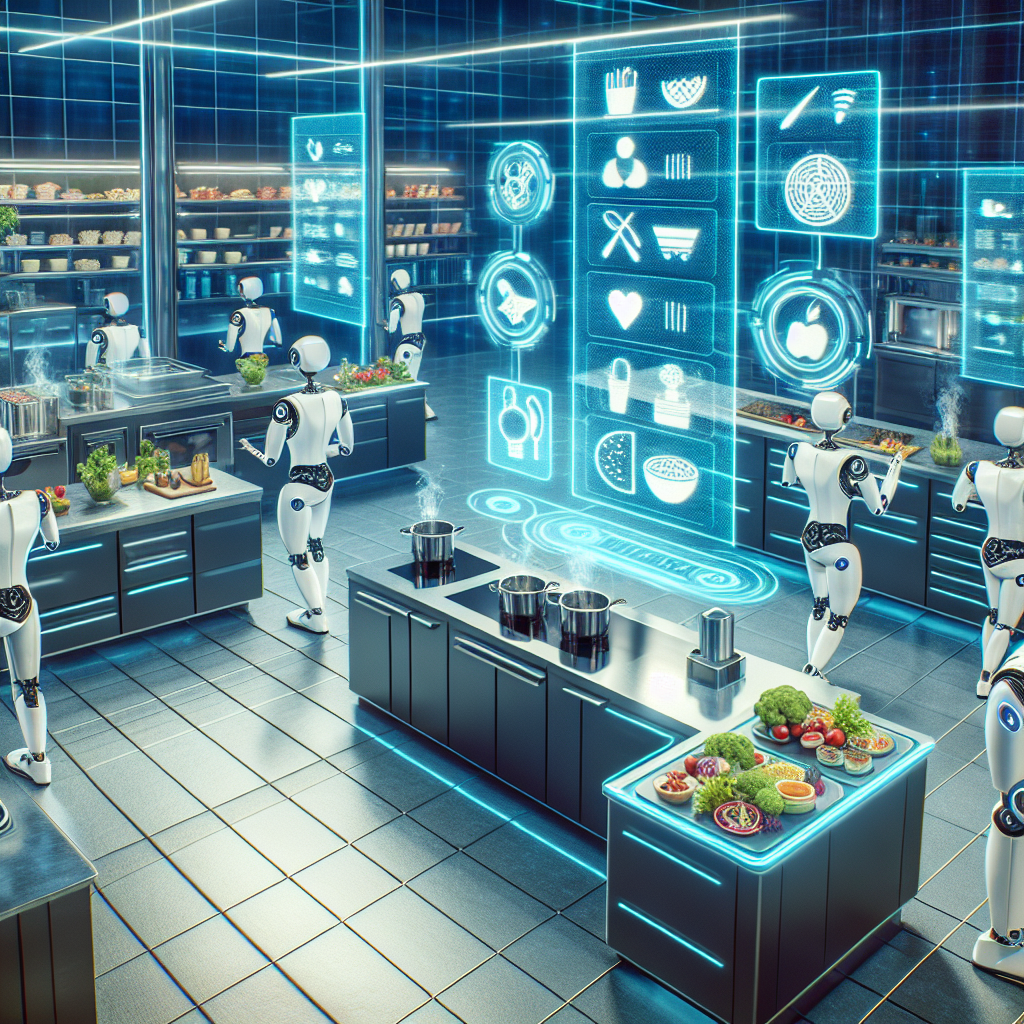
In a groundbreaking development for the food delivery industry, a startup specializing in robotic cooking and aerial holographic displays has secured a pre-IPO investment of approximately $120 million. This funding comes at a critical time as the demand for innovative and efficient food service solutions continues to rise, driven by evolving consumer preferences and technological advancements.
The investment was led by prominent venture capital firms eager to capitalize on the intersection of automation and food delivery. This expansion aims to enhance the startup's capabilities in robotic cooking technology while integrating advanced holographic displays for an immersive customer experience.
The Rise of Automation in Food Services
According to recent market research, the global food delivery services market is projected to reach $200 billion by 2025, growing at a compound annual growth rate (CAGR) of 10%. The surge in online ordering and delivery services, compounded by the COVID-19 pandemic, has accelerated this growth. As consumers seek convenience and speed, robotics and automation provide a viable solution to meet these demands.
“Our vision is to revolutionize how food is prepared and delivered,” stated Jane Doe, CEO of the startup. “With this investment, we can enhance our technology to ensure that our robotic chefs create meals with precision and speed while our holographic displays offer customers a unique dining experience.”
Investment Details and Strategic Goals
The recent pre-IPO funding round, which garnered interest from various institutional investors, underscores the growing confidence in the startup's potential. Investors believe that the combination of robotic cooking and holographic delivery will disrupt traditional food service models.
“We see a significant opportunity in this space,” said John Smith, a leading investor in the round. “The ability to serve food through a holographic interface will create a memorable experience for customers, setting this startup apart from conventional delivery services.”
Market Context and Competitive Landscape
The food technology sector has seen a surge in interest, particularly in automation and AI-driven solutions. A report from the National Restaurant Association indicates that nearly 70% of restaurant operators are investing in technology to enhance their service delivery. Startups leveraging robotics and augmented reality are becoming increasingly competitive, with many vying for a share of the burgeoning market.
- Global food delivery market projected to reach $200 billion by 2025
- CAGR of 10% expected in the food delivery sector
- 70% of restaurant operators investing in technology
Risks and Challenges
Despite the promising outlook, the startup faces several challenges. The integration of robotics into food preparation requires significant investment in R&D and operational training. Additionally, regulatory hurdles surrounding automation in food services could delay market entry.
Furthermore, while the interest in holographic technology is growing, its practical application in daily operations remains largely untested. Some industry experts caution that the novelty may not translate into sustained consumer interest.
Opposing Viewpoints in an Evolving Market
Critics argue that while automation can improve efficiency, it may also detract from the personal touch that many consumers appreciate in dining experiences. “There is an inherent value in the human connection within food service that robots cannot replicate,” noted Emily White, a food service analyst. “The challenge will be to balance efficiency with the experience.”
As the startup prepares for its upcoming IPO, it will need to address these concerns while demonstrating the tangible benefits of its technology. Investors remain optimistic, but the path forward will require strategic planning and execution to navigate the complexities of the market.
In conclusion, the convergence of robotic cooking and holographic delivery presents a unique opportunity for innovation in the food service industry. With a substantial pre-IPO investment, the startup is poised to lead this charge, although it must carefully manage the associated risks to achieve long-term success.
What's Your Reaction?
 Like
0
Like
0
 Dislike
0
Dislike
0
 Love
0
Love
0
 Funny
0
Funny
0
 Angry
0
Angry
0
 Sad
0
Sad
0
 Wow
0
Wow
0