




Navigating the Tokenized Future: Market Trends and Investment Insights
Navigating the Tokenized Future: Market Trends and Investment Insights By Startup Korea Research Desk | May 17, 2026 As we progress into 2026, the startup ecosystem is witnessing a significant shift towards the tokenization of computing resource...

Navigating the Tokenized Future: Market Trends and Investment Insights
By Startup Korea Research Desk | May 17, 2026
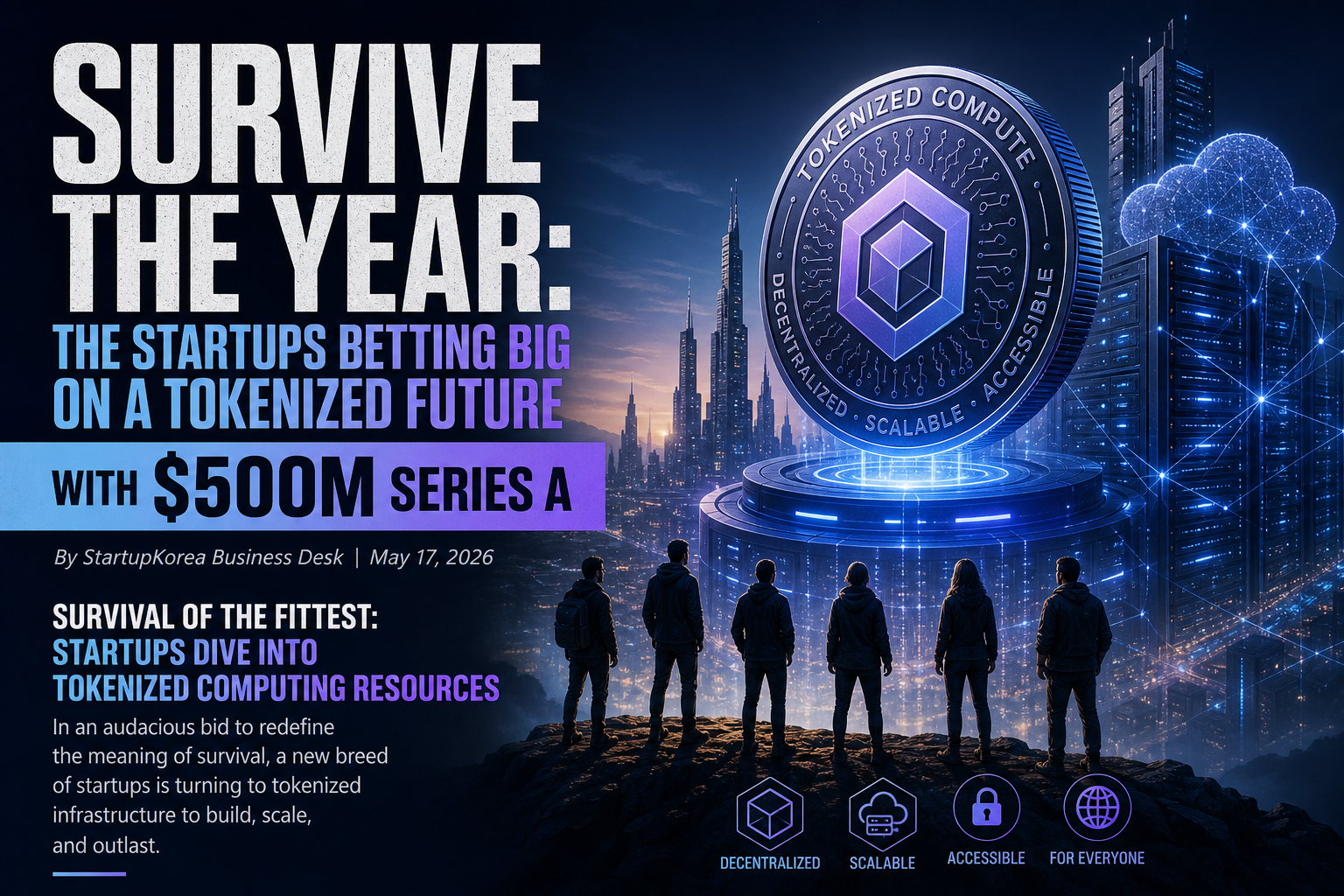
As we progress into 2026, the startup ecosystem is witnessing a significant shift towards the tokenization of computing resources. This emerging trend is not just a fleeting phase but a fundamental transformation in how technology is utilized and monetized. Startups are increasingly leveraging tokenization to create innovative business models that promise to enhance efficiency, security, and accessibility in the tech landscape.
The Rise of Tokenization in Startups
Tokenization refers to the process of converting rights to an asset into a digital token on a blockchain. In the context of computing resources, this means that companies can tokenize their computing power, allowing it to be traded as a digital asset. This model is gaining traction as it offers a new way to monetize excess computing capacity while providing users with flexible access to resources.
Recent funding trends indicate that venture capitalists are increasingly interested in startups that are exploring tokenized solutions. In the first quarter of 2026 alone, startups in this space have raised approximately $500 million in Series A funding. This influx of capital reflects a growing belief among investors that tokenization can unlock new market opportunities and drive innovation.
Market Potential and Projections
Market analysts project that the global market for tokenized assets could reach $1 trillion by 2030, with a significant portion attributed to tokenized computing resources. This projection underscores the potential for startups to capture a share of this burgeoning market. As of now, around 40% of tech startups are reportedly exploring or implementing tokenization in their business models.
Business Model Quality and Adoption Risks
While the prospects of tokenization are promising, it is essential to approach this trend with a critical lens. The quality of business models that rely on tokenization varies widely. Startups must demonstrate a clear value proposition that goes beyond the novelty of blockchain technology. Investors are advised to conduct thorough due diligence to assess the viability of these models.
- Value Proposition: Startups should clearly articulate how tokenization enhances their service offerings and benefits users.
- Regulatory Considerations: The regulatory landscape surrounding tokenization is still evolving, and startups must navigate compliance risks effectively.
- Market Competition: As more players enter the tokenization space, differentiation will be crucial for long-term success.
- Technology Risks: The reliance on blockchain technology introduces potential vulnerabilities that must be managed.
Investor Diligence and Strategic Considerations
For investors, the tokenization trend presents both opportunities and challenges. While the potential for high returns is enticing, the associated risks necessitate a cautious approach. Investors should focus on the following strategic considerations:
- Founder's Expertise: Assessing the background and expertise of the founding team can provide insights into their ability to execute the business plan effectively.
- Market Fit: Understanding the target market and the specific pain points that the startup addresses is critical for evaluating its potential for success.
- Technology Scalability: Investors should consider whether the underlying technology can scale effectively to meet growing demand.
- Exit Strategy: A clear exit strategy can enhance investor confidence and provide a roadmap for potential returns.
Founder Strategy and Market Positioning
For founders navigating this evolving landscape, a well-defined strategy is essential. Startups must position themselves not only as technology providers but also as thought leaders in the tokenization space. This involves:
- Building Partnerships: Collaborating with established players in the tech industry can enhance credibility and access to resources.
- Educating the Market: As tokenization is still a relatively new concept for many, educating potential customers about its benefits will be crucial for adoption.
- Iterative Development: Adopting an agile approach to product development can help startups respond quickly to market feedback and evolving customer needs.
In conclusion, the rise of tokenization in computing resources presents a transformative opportunity for startups and investors alike. While the potential for growth is significant, it is imperative to approach this trend with a balanced perspective, weighing the opportunities against the inherent risks. As the market continues to evolve, both startups and investors must remain vigilant and adaptable to navigate the complexities of this new frontier.
Editor's note: This article is original market analysis and not investment advice.
What's Your Reaction?
 Like
0
Like
0
 Dislike
0
Dislike
0
 Love
0
Love
0
 Funny
0
Funny
0
 Angry
0
Angry
0
 Sad
0
Sad
0
 Wow
0
Wow
0