
Navigating the Self-Driving Simulator Market: Trends and Challenges
Navigating the Self-Driving Simulator Market: Trends and Challenges By Startup Korea Research Desk | Apr 08, 2026 The self-driving technology sector has garnered significant attention in recent years, with startups emerging to develop innovative...

Navigating the Self-Driving Simulator Market: Trends and Challenges
By Startup Korea Research Desk | Apr 08, 2026
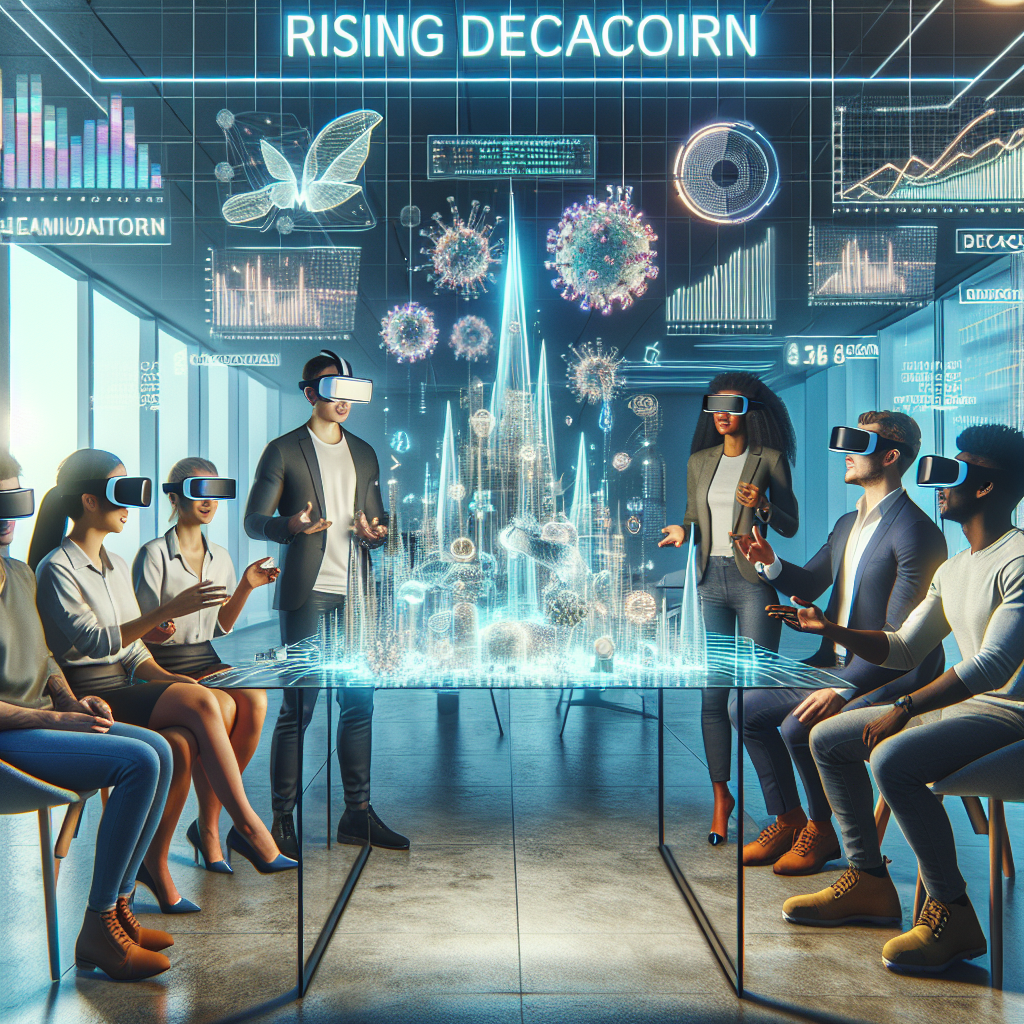
The self-driving technology sector has garnered significant attention in recent years, with startups emerging to develop innovative solutions that promise to reshape various industries. One of the more intriguing developments in this space is the rise of self-driving simulators, which aim to prepare entrepreneurs and businesses for the evolving landscape of autonomous technologies. This analysis explores the current market trends, potential risks, and the strategic considerations for founders and investors in this burgeoning field.
Market Overview
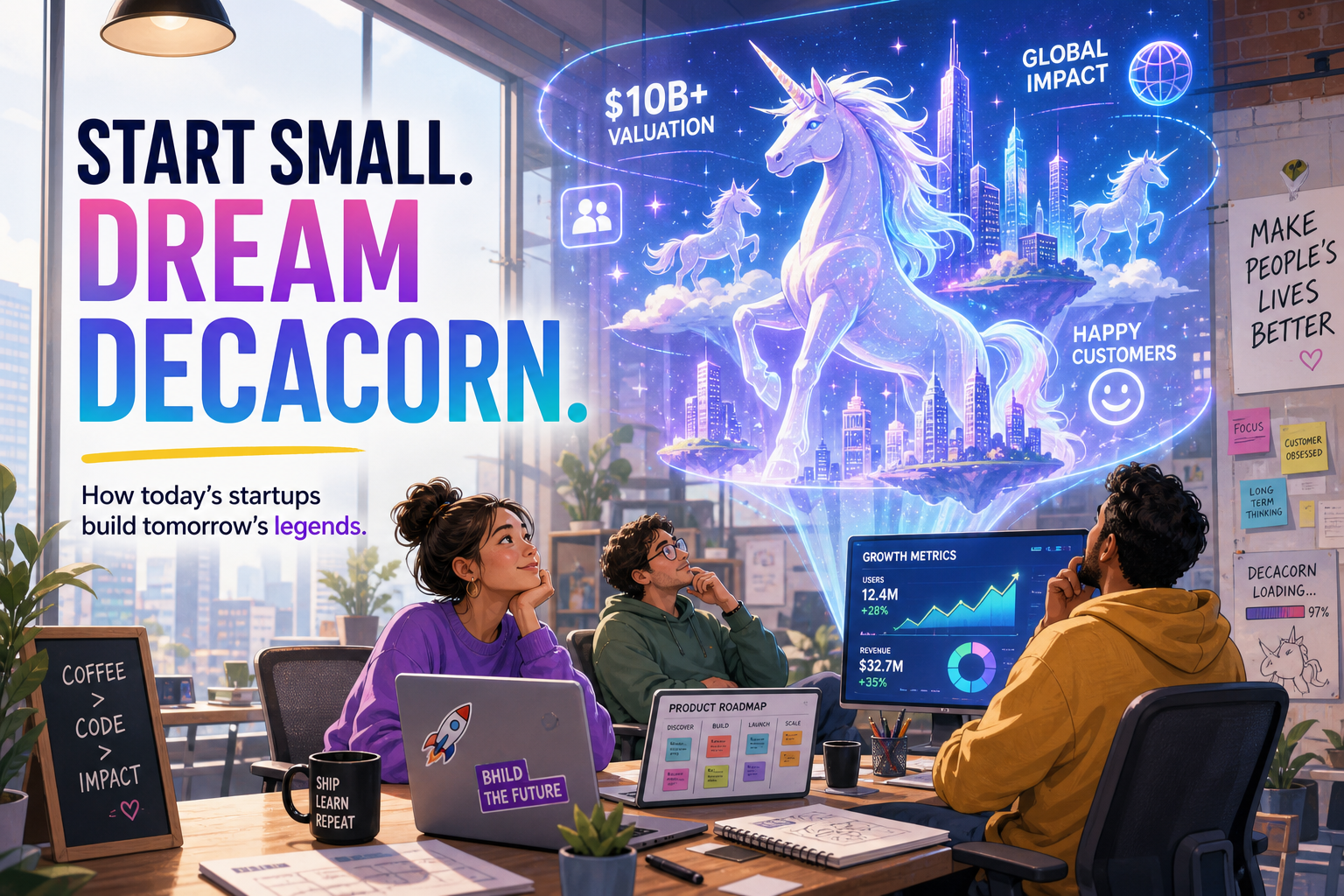
The global investment climate for technology startups has reached unprecedented levels, with venture capital funding surging to approximately $300 billion in the previous year. This influx of capital has led to a notable increase in the number of companies achieving decacorn status—those valued at $10 billion or more. The self-driving simulator market, while a niche segment, is positioned to benefit from this broader trend, as it aligns with the growing interest in autonomous systems.
Investment Trends
Investors are increasingly drawn to startups that promise innovative solutions in the self-driving sector. The self-driving sensor fusion market, which encompasses technologies that integrate data from various sensors to enable autonomous navigation, is projected to grow at an annual rate of 30%. This growth is fueled by advancements in artificial intelligence, machine learning, and sensor technologies, which are critical for the development of reliable self-driving systems.
Business Model Quality
For startups in the self-driving simulator space, the business model must address the needs of multiple stakeholders, including entrepreneurs, developers, and educational institutions. A successful simulator should not only provide realistic training environments but also offer insights into market dynamics and consumer behavior. By focusing on user experience and practical applications, these companies can differentiate themselves in a crowded market.
Adoption Risks
Despite the promising growth trajectory, several risks could hinder the adoption of self-driving simulators. One significant challenge is the skepticism surrounding the effectiveness of simulation-based training. Many potential users may question whether virtual experiences can adequately prepare them for real-world scenarios. Additionally, the complexity of self-driving technologies may deter some users from engaging with simulators, particularly if they lack a technical background.
Investor Diligence
For investors, due diligence is crucial when evaluating startups in this sector. Key considerations should include the technological feasibility of the simulator, the experience and track record of the founding team, and the clarity of the business model. Investors should also assess the competitive landscape, as the self-driving simulator market may attract a diverse range of players, from established tech firms to agile startups.
Founder Strategies
Founders in the self-driving simulator space must adopt strategic approaches to navigate the complexities of the market. Building partnerships with educational institutions and industry leaders can enhance credibility and facilitate user adoption. Additionally, focusing on user feedback and iterating on the product based on real-world insights will be essential for long-term success.
Conclusion
The self-driving simulator market presents both opportunities and challenges for startups and investors alike. As the technology landscape continues to evolve, companies that can effectively address the needs of users while demonstrating the practical value of their solutions are likely to thrive. However, the inherent risks associated with technology adoption and market skepticism necessitate careful consideration and strategic planning.
Editor's note: This is original market analysis and not investment advice.
What's Your Reaction?
 Like
0
Like
0
 Dislike
0
Dislike
0
 Love
0
Love
0
 Funny
0
Funny
0
 Angry
0
Angry
0
 Sad
0
Sad
0
 Wow
0
Wow
0