



Navigating the Intersection of Mental Health and Drone Technology: Market Insights
By Startup Korea Research Desk | Apr 13, 2026 The growing concern surrounding climate change has led to an increase in mental health issues, particularly climate anxiety. This phenomenon has prompted innovative startups to emerge, leveraging tec...

By Startup Korea Research Desk | Apr 13, 2026
The growing concern surrounding climate change has led to an increase in mental health issues, particularly climate anxiety. This phenomenon has prompted innovative startups to emerge, leveraging technology to address these challenges. One such startup has recently attracted significant investment, raising questions about the viability of its business model and the broader implications for the mental health and drone industries.
The Rise of Climate Anxiety
Recent surveys indicate that a substantial portion of the population is experiencing heightened anxiety related to climate change. For instance, studies show that over 70% of individuals in certain demographics report feeling anxious about the future of the planet. This growing awareness has created a demand for mental health solutions that specifically address these concerns.
Investment Trends in Mental Health Startups
In response to the increasing prevalence of climate anxiety, funding for mental health startups has surged. Reports indicate that investment in this sector has increased by 200% over the past year, reflecting a strong interest from venture capitalists in solutions that combine mental health support with innovative technology. This trend highlights the potential for startups to tap into a lucrative market that is increasingly recognized as essential for societal well-being.
Innovative Business Models
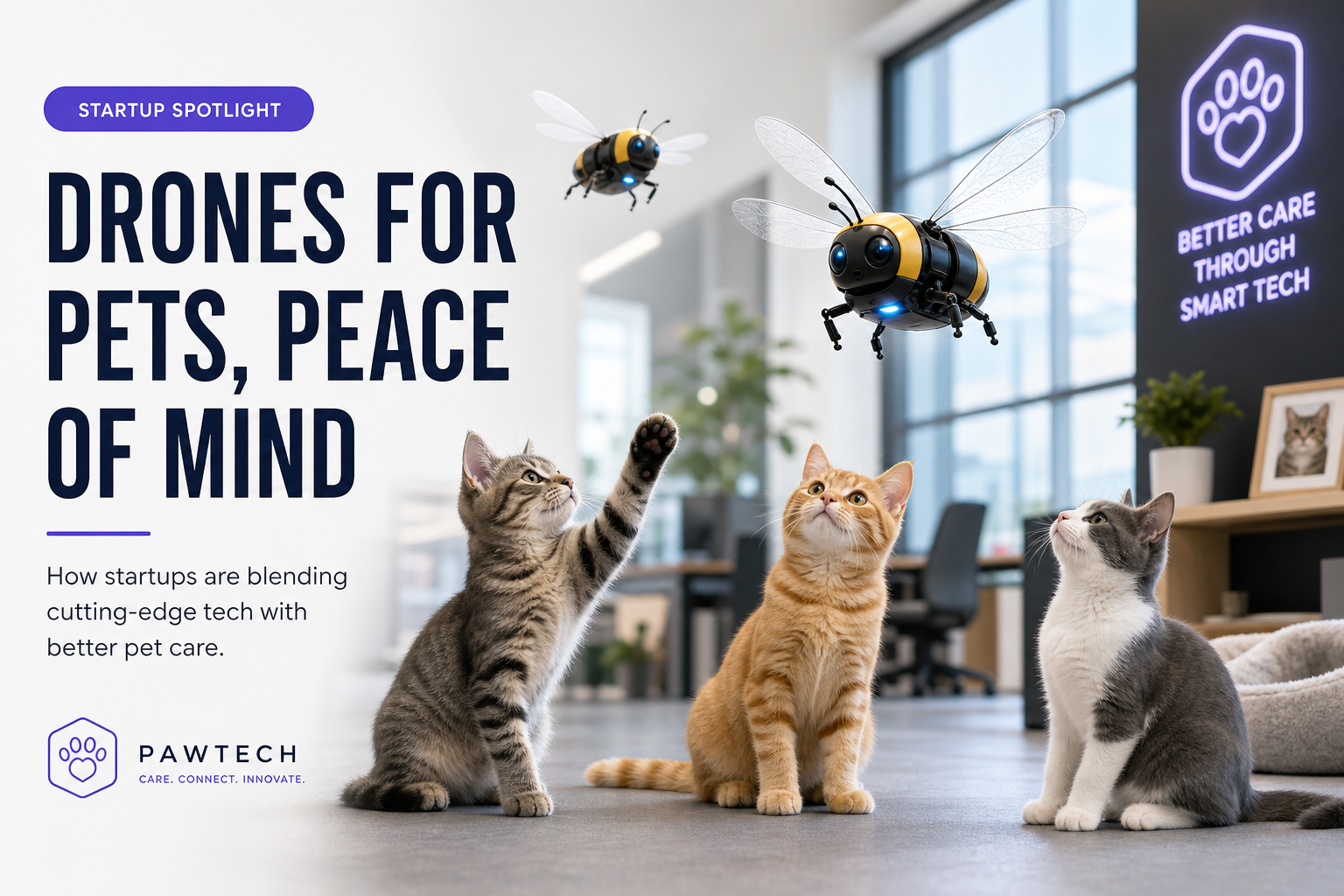
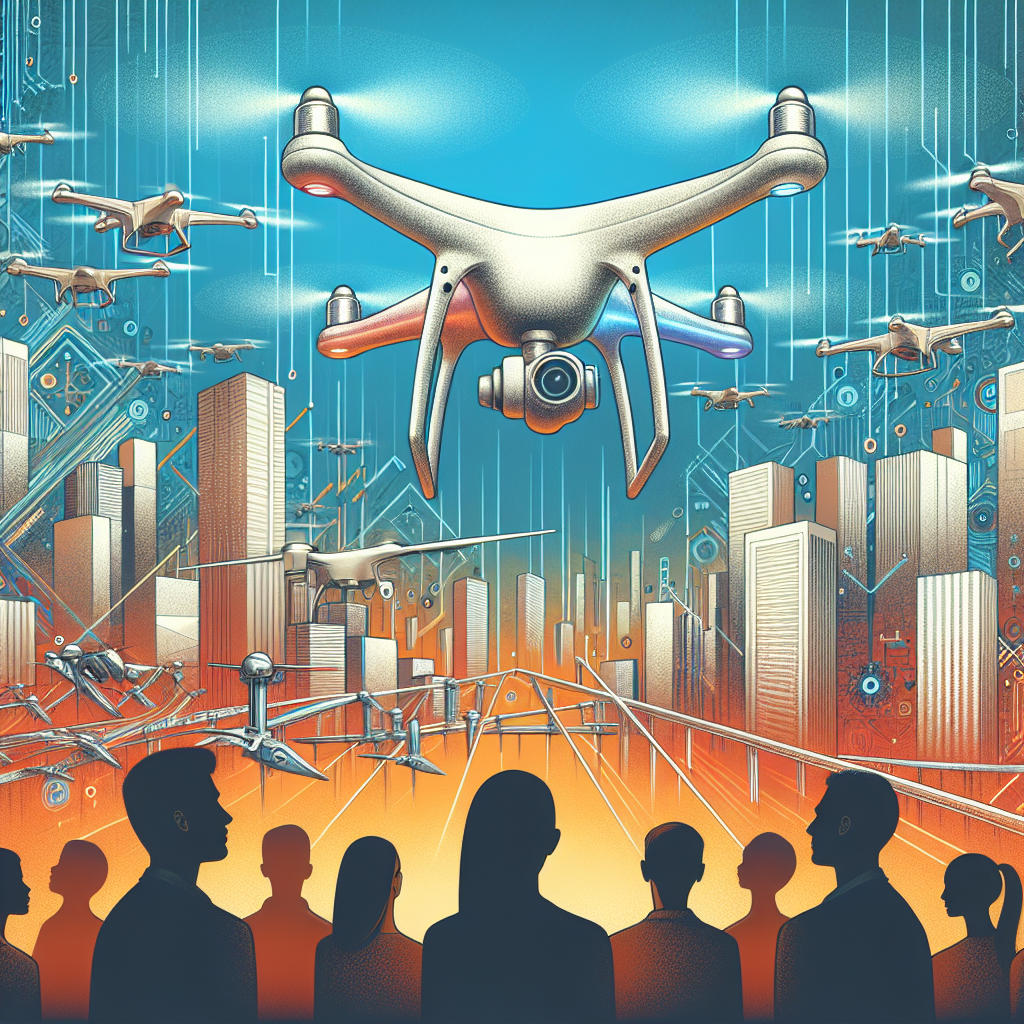
One notable startup has developed a platform that integrates drone technology with mental health support. This platform aims to provide users with real-time notifications and therapeutic interventions while utilizing drones to monitor environmental conditions. Such a dual approach not only addresses mental health needs but also positions the startup within the rapidly growing drone industry, which is projected to expand at an annual rate of 37%.
Market Context: The Intersection of Mental Health and Technology
The global mental health market is expected to reach $537 billion by 2030, with technology-driven solutions capturing an increasingly larger share. As mental health issues become more prevalent, the integration of technology into therapeutic practices is likely to become a standard. The convergence of the mental health and drone markets presents a unique opportunity for startups to create synergies that could benefit both sectors.
Adoption Risks and Consumer Readiness
While the potential for success in this niche is significant, there are inherent risks associated with consumer adoption. The acceptance of drone technology in everyday life remains a concern for many individuals. Issues such as privacy, safety, and the perceived intrusiveness of drones could hinder widespread acceptance. Additionally, the effectiveness of using drones as a tool for mental health support is still largely untested, raising questions about the efficacy of such solutions.
Investor Diligence and Market Viability
As investors consider opportunities in this emerging market, due diligence will be crucial. Understanding the regulatory landscape surrounding drone usage, as well as the ethical implications of combining mental health services with surveillance technology, will be essential for long-term viability. Investors must also evaluate the startup's ability to scale its operations while maintaining a focus on user privacy and data security.
Strategic Considerations for Founders
For founders in this space, a clear strategy that addresses both the technological and psychological aspects of their offerings will be vital. Building partnerships with mental health professionals and regulatory bodies can enhance credibility and foster trust among potential users. Additionally, focusing on user experience and addressing privacy concerns proactively will be important for gaining consumer acceptance.
Conclusion
The intersection of mental health and drone technology presents a promising yet challenging landscape for startups. As climate anxiety continues to rise, innovative solutions that leverage technology to support mental well-being may find a receptive audience. However, the success of such ventures will depend on addressing adoption risks, ensuring regulatory compliance, and maintaining a focus on user-centric design.
Editor's note: This is original market analysis and not investment advice.
What's Your Reaction?
 Like
0
Like
0
 Dislike
0
Dislike
0
 Love
0
Love
0
 Funny
0
Funny
0
 Angry
0
Angry
0
 Sad
0
Sad
0
 Wow
0
Wow
0