




Navigating the Future: The Role of Sensor Technology in Personal Achievement Platforms
By Startup Korea Research Desk | May 21, 2026 The intersection of technology and personal development has become a focal point for startups aiming to capitalize on the growing demand for wellness solutions. In recent years, the emergence of sens...

By Startup Korea Research Desk | May 21, 2026
The intersection of technology and personal development has become a focal point for startups aiming to capitalize on the growing demand for wellness solutions. In recent years, the emergence of sensor technology has enabled innovative platforms that assist individuals in achieving their personal goals. This analysis explores the current trends in this sector, the viability of business models, potential adoption risks, and the diligence required from investors.
Market Trends in Personal Achievement Technology
The personal achievement technology market is experiencing significant growth, driven by increasing consumer interest in health and wellness. As individuals seek to improve their productivity, fitness, and overall well-being, technology that supports these aspirations is gaining traction. The integration of sensor technology into personal achievement platforms represents a promising avenue for startups.
According to market research, the sector is projected to grow at an annual rate of approximately 12% over the next five years. By 2030, the market size for personal achievement technologies, including wellness applications and devices, is expected to reach around $15 billion. This growth is fueled by a combination of rising health consciousness and the desire for personalized solutions that cater to individual needs.
Business Model Viability
Startups in this space are exploring various business models, including subscription services, one-time purchases, and freemium models that offer basic features for free while charging for premium functionalities. The success of these models hinges on the ability to provide tangible value to users, such as improved goal tracking, personalized feedback, and real-time alerts that encourage adherence to personal objectives.
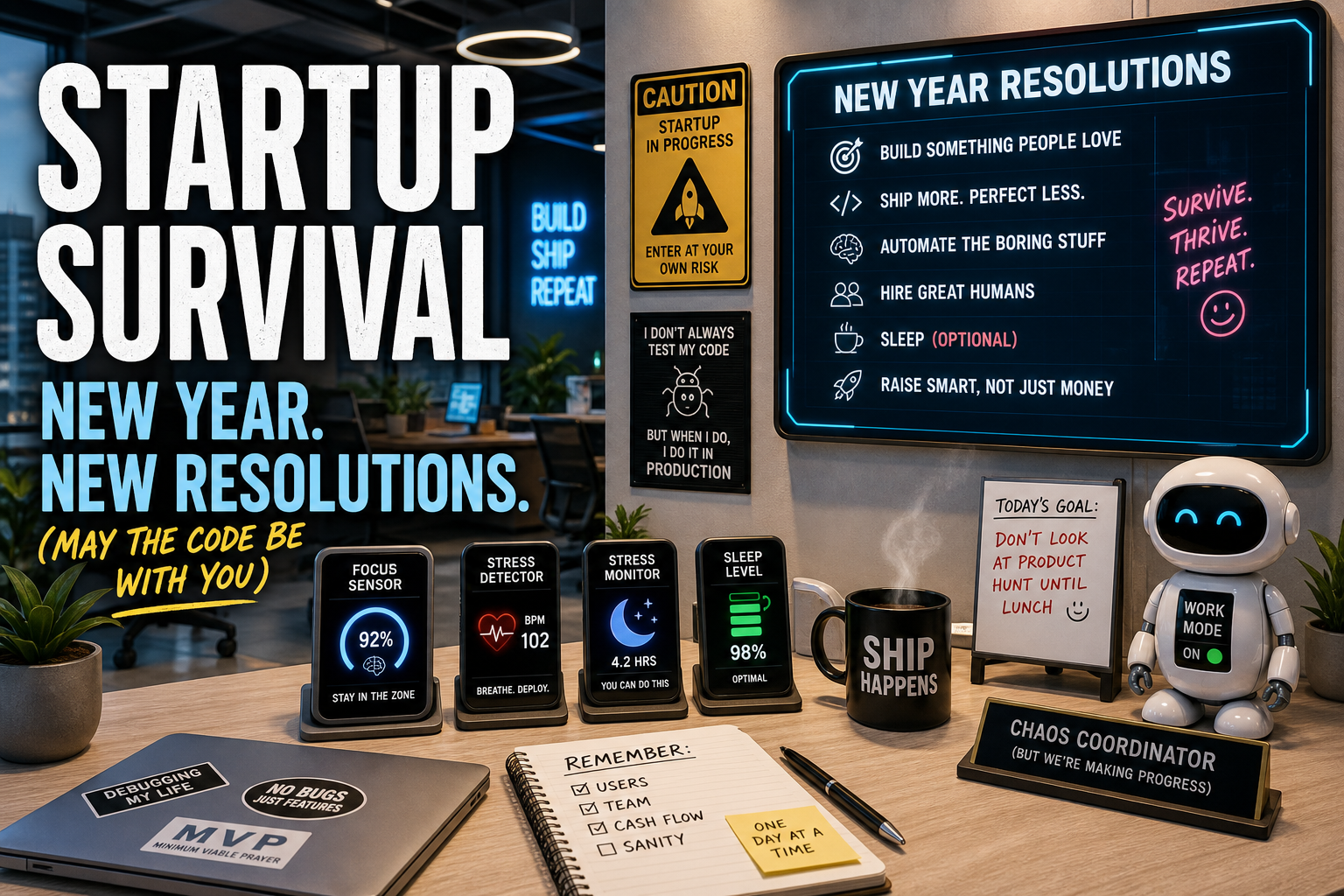
For instance, platforms that utilize sensors to monitor user behavior and provide actionable insights are likely to resonate well with consumers. The key is to ensure that the technology is user-friendly and seamlessly integrates into daily life, enhancing rather than complicating the user experience.
Adoption Risks and Challenges
While the potential for growth in the personal achievement technology market is substantial, several adoption risks must be considered. One significant challenge is the potential for user fatigue. As consumers are bombarded with various apps and devices aimed at improving their lives, there is a risk that they may become overwhelmed and disengage from these solutions.
Moreover, privacy concerns surrounding data collection and usage can hinder adoption. Startups must prioritize transparency and user consent in their data practices to build trust with their audience. Failure to address these concerns could lead to negative perceptions and ultimately impact user retention.
Investor Diligence and Market Entry Strategy
For investors, the personal achievement technology sector presents both opportunities and challenges. Diligence is crucial when evaluating potential investments in startups focused on sensor technology and personal development. Investors should assess the startup's technology, market positioning, and scalability potential.
Additionally, understanding the competitive landscape is vital. Startups must differentiate themselves from existing solutions to capture market share. This could involve focusing on niche markets, offering unique features, or creating partnerships with established wellness brands to enhance credibility and reach.
Founder Strategy and Vision
The success of startups in this sector often hinges on the vision and strategy of their founders. Entrepreneurs must possess a deep understanding of consumer behavior and the ability to adapt their offerings based on market feedback. A strong emphasis on user experience and continuous improvement will be essential in retaining customers and fostering loyalty.
Moreover, founders should be prepared to pivot their strategies in response to market trends and emerging technologies. The ability to remain agile and responsive to consumer needs will be a critical factor in the long-term success of these ventures.
Conclusion
The personal achievement technology market, particularly those leveraging sensor technology, is poised for significant growth in the coming years. Startups that can effectively navigate the challenges of user adoption, privacy concerns, and competitive differentiation will be well-positioned to capitalize on this trend. Investors should conduct thorough due diligence to identify promising opportunities within this dynamic sector.
Editor's note: This analysis is an original market assessment and should not be construed as investment advice.
What's Your Reaction?
 Like
0
Like
0
 Dislike
0
Dislike
0
 Love
0
Love
0
 Funny
0
Funny
0
 Angry
0
Angry
0
 Sad
0
Sad
0
 Wow
0
Wow
0