



Navigating the Future: The Rise of Indoor Positioning Technologies
Navigating the Future: The Rise of Indoor Positioning Technologies By Startup Korea Research Desk | May 21, 2026 The indoor positioning market is experiencing significant growth, driven by advancements in technology and increasing demand for pre...

Navigating the Future: The Rise of Indoor Positioning Technologies
By Startup Korea Research Desk | May 21, 2026
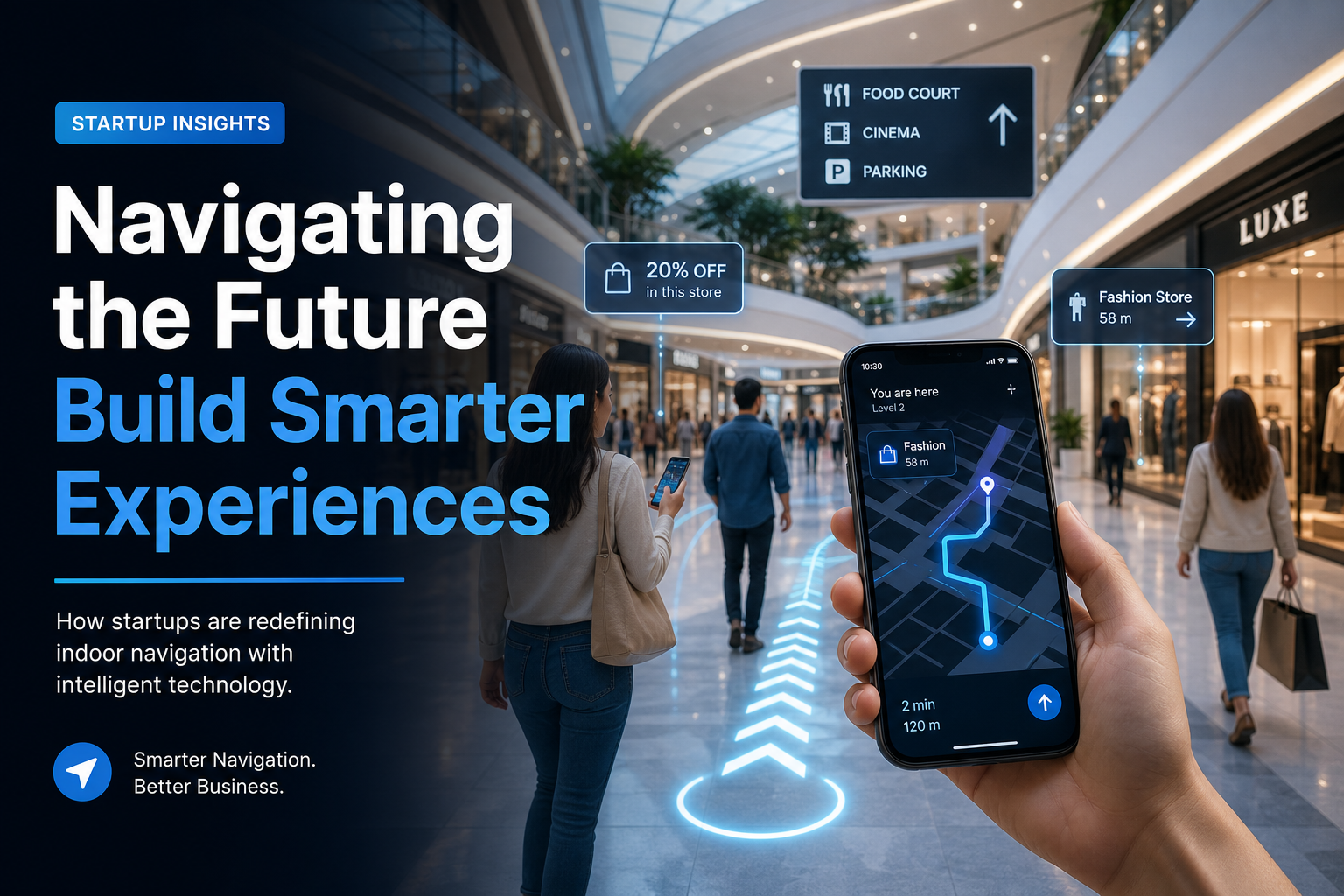
The indoor positioning market is experiencing significant growth, driven by advancements in technology and increasing demand for precise navigation solutions. As businesses and consumers alike seek enhanced navigation capabilities within complex indoor environments, startups specializing in indoor positioning technologies are emerging as key players in this evolving landscape.
Market Overview
Recent estimates suggest that the global indoor positioning market is valued at approximately $10 billion, with projections indicating a robust annual growth rate of over 30%. This growth is fueled by the increasing adoption of indoor navigation systems across various sectors, including retail, healthcare, and logistics. Companies are recognizing the potential of these technologies to improve customer experiences, streamline operations, and enhance safety protocols.
Business Models and Opportunities
Startups in the indoor positioning space are exploring diverse business models to capitalize on this burgeoning market. Solutions range from software platforms that integrate with existing infrastructure to hardware-based systems that utilize beacons and sensors for real-time location tracking. The versatility of these technologies allows for a wide array of applications, such as:
- Retail: Enhancing customer engagement through personalized shopping experiences.
- Healthcare: Improving patient navigation within hospitals and clinics.
- Logistics: Optimizing inventory management and asset tracking in warehouses.
As businesses increasingly recognize the value of precise indoor navigation, the demand for innovative solutions is expected to rise, presenting significant opportunities for startups in this sector.
Adoption Risks and Challenges
Despite the promising outlook, startups in the indoor positioning market face several challenges that could impact their growth trajectories. One of the primary concerns is the integration of new technologies with existing infrastructure. Many businesses may hesitate to invest in indoor positioning systems due to the perceived complexity and costs associated with implementation.
Moreover, the competitive landscape is becoming increasingly crowded, with numerous players vying for market share. Startups must differentiate themselves through unique value propositions, such as superior accuracy, ease of use, and seamless integration capabilities. Failure to do so could result in difficulties in attracting customers and securing funding.
Investor Diligence
For investors, the indoor positioning market presents both opportunities and risks. The rapid growth of the sector is appealing, but due diligence is essential to identify startups with sustainable business models and a clear path to profitability. Investors should assess factors such as:
- The technology's scalability and adaptability to various environments.
- The startup's competitive positioning and differentiation strategies.
- The management team's experience and track record in the industry.
By conducting thorough evaluations, investors can mitigate risks and make informed decisions in a market characterized by rapid innovation and change.
Strategic Considerations for Founders
For founders in the indoor positioning space, developing a clear strategic vision is crucial. This includes understanding market needs, identifying target customers, and establishing partnerships that can enhance product offerings. Additionally, founders should focus on building a strong brand presence and leveraging marketing strategies to educate potential customers about the benefits of indoor positioning technologies.
Furthermore, as the market evolves, staying attuned to emerging trends and technological advancements will be essential for maintaining a competitive edge. Founders should prioritize research and development to continuously improve their offerings and adapt to changing customer demands.
Conclusion
The indoor positioning market is poised for substantial growth, driven by increasing demand for precise navigation solutions across various sectors. Startups in this space have the opportunity to capitalize on this trend by developing innovative technologies that enhance user experiences and streamline operations. However, they must navigate challenges related to adoption, competition, and investor scrutiny. By focusing on strategic differentiation and maintaining a customer-centric approach, startups can position themselves for success in this dynamic market.
Editor's note: This analysis is original market research and should not be considered investment advice.
What's Your Reaction?
 Like
0
Like
0
 Dislike
0
Dislike
0
 Love
0
Love
0
 Funny
0
Funny
0
 Angry
0
Angry
0
 Sad
0
Sad
0
 Wow
0
Wow
0