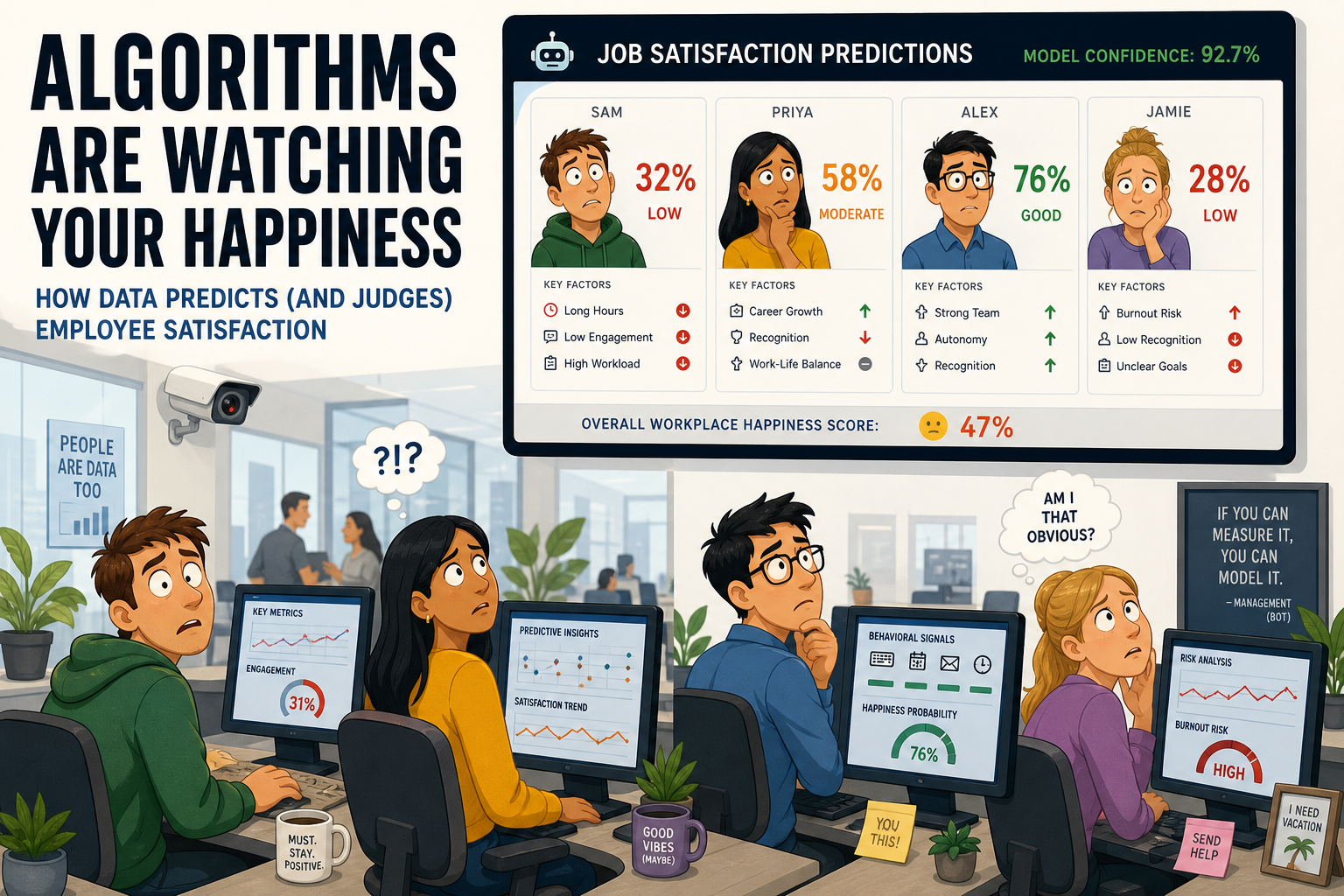





Navigating the Future of Productivity: Insights into OKR Management Platforms
By Startup Korea Research Desk | May 21, 2026 In recent years, the corporate landscape has witnessed a significant shift towards productivity enhancement tools, particularly in the realm of Objectives and Key Results (OKRs). A notable developmen...


By Startup Korea Research Desk | May 21, 2026
In recent years, the corporate landscape has witnessed a significant shift towards productivity enhancement tools, particularly in the realm of Objectives and Key Results (OKRs). A notable development in this space is the emergence of platforms designed to mitigate the risks associated with OKR overload. This analysis explores the market trends surrounding these platforms, the quality of their business models, the risks associated with their adoption, and the strategies employed by founders to navigate this evolving sector.
Market Trends: The Rise of OKR Management Solutions
The demand for effective OKR management solutions has surged, driven by an increasing recognition of the detrimental effects of mismanaged objectives on employee well-being and productivity. Recent surveys indicate that a significant percentage of organizations report employee burnout linked to poorly structured OKRs. This has prompted a growing number of startups to develop innovative solutions aimed at streamlining goal-setting processes.
According to industry reports, approximately 72% of companies have identified a correlation between ineffective OKR implementation and a marked decrease in productivity, with estimates suggesting a drop of up to 35%. This alarming trend highlights the pressing need for tools that not only facilitate goal alignment but also prioritize employee mental health.
Business Model Quality: Evaluating the Value Proposition
Startups entering the OKR management space must establish a compelling value proposition to differentiate themselves in a competitive market. Successful platforms typically emphasize user-friendliness, integration capabilities, and the ability to provide actionable insights without overwhelming users with excessive metrics.
For instance, a platform that effectively balances goal tracking with user engagement can significantly enhance its appeal to organizations seeking to optimize their performance management processes. Additionally, the integration of advanced technologies, such as artificial intelligence and machine learning, can further enhance the functionality of these platforms, allowing for more personalized and adaptive goal-setting experiences.
Adoption Risks: Challenges in Implementation
While the potential benefits of OKR management platforms are substantial, organizations must also navigate several adoption risks. One primary concern is the resistance to change among employees accustomed to traditional performance management systems. Effective change management strategies are essential to ensure successful implementation and user buy-in.
Moreover, organizations must be cautious about over-reliance on technology to solve complex human resource challenges. The integration of automated systems should complement, rather than replace, human oversight and engagement in the goal-setting process. Failure to strike this balance can lead to further disengagement and dissatisfaction among employees.
Investor Diligence: Assessing Startup Viability
As venture capitalists increasingly direct funds towards productivity-enhancing startups, due diligence becomes paramount. Investors should carefully evaluate the scalability of the business model, the competitive landscape, and the founding team's experience and vision.
In particular, assessing the startup's ability to adapt to changing market demands and its strategies for customer retention will be critical indicators of long-term viability. Investors should also consider the startup's approach to data privacy and security, as these factors are becoming increasingly important in the digital age.
Founder Strategy: Navigating the Competitive Landscape
Founders in the OKR management space must adopt strategic approaches to differentiate their offerings. This includes leveraging customer feedback to refine product features and enhance user experience continually. Engaging with early adopters can provide valuable insights into market needs and help shape the platform's development trajectory.
Additionally, establishing partnerships with complementary service providers can enhance the platform's value proposition. For instance, collaborations with training organizations can facilitate user education and promote best practices in OKR implementation.
Conclusion
The landscape for OKR management platforms is rapidly evolving, driven by a growing recognition of the importance of effective goal-setting in enhancing organizational productivity. As startups continue to innovate in this space, it will be crucial for both investors and organizations to remain vigilant in assessing the viability and effectiveness of these solutions. By prioritizing user engagement, addressing adoption risks, and fostering a culture of continuous improvement, stakeholders can maximize the benefits of OKR management platforms while minimizing potential pitfalls.
Editor's note: This article represents original market analysis and is not intended as investment advice.
What's Your Reaction?
 Like
0
Like
0
 Dislike
0
Dislike
0
 Love
0
Love
0
 Funny
0
Funny
0
 Angry
0
Angry
0
 Sad
0
Sad
0
 Wow
0
Wow
0