




Navigating the Emotional Economy: The Emergence of Relationship Technology Solutions
By Startup Korea Research Desk | May 16, 2026 The concept of 'relationship tech debt' has gained traction in recent years, reflecting a growing awareness of the emotional dimensions of human interactions. As individuals and organizations increas...

By Startup Korea Research Desk | May 16, 2026
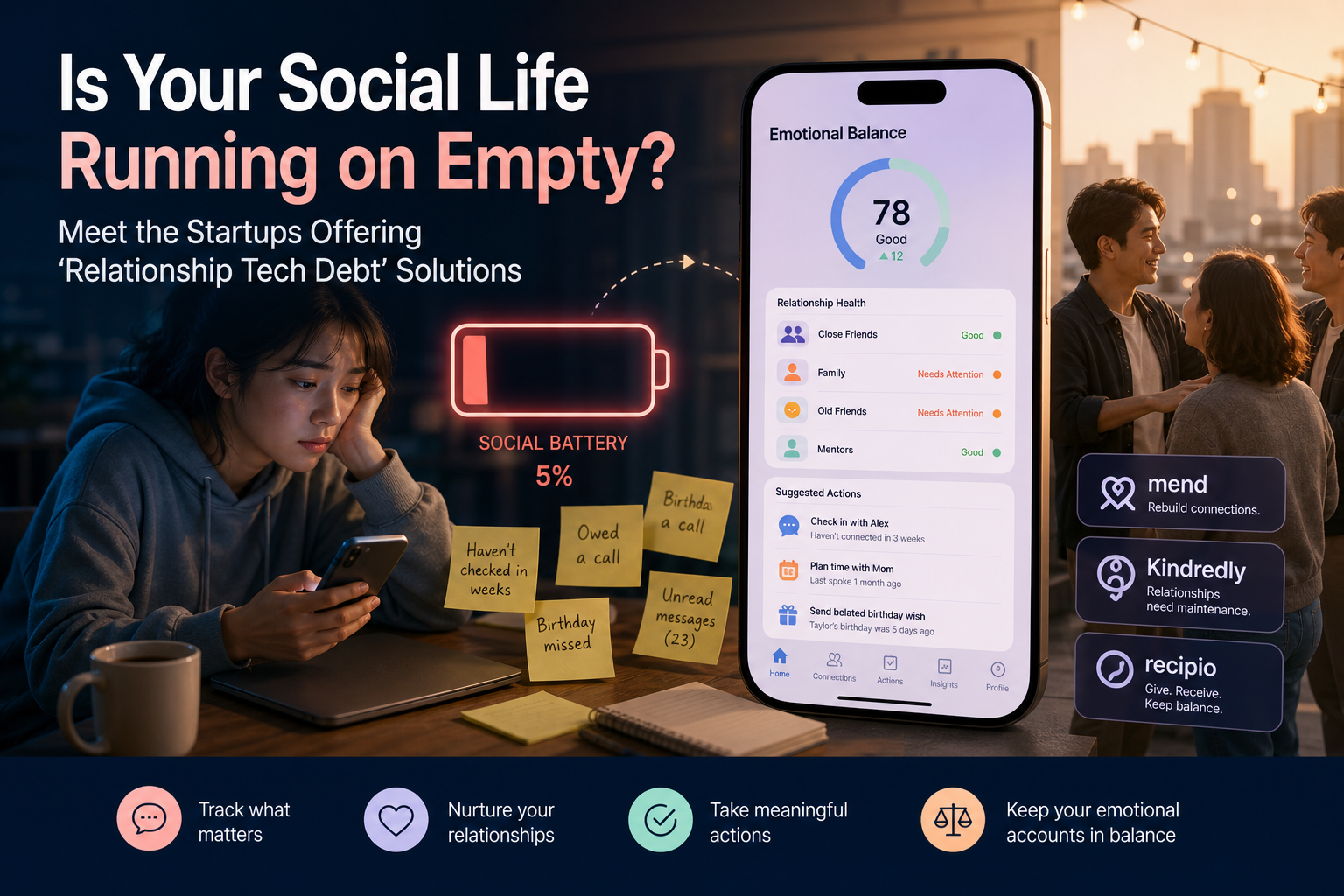
The concept of 'relationship tech debt' has gained traction in recent years, reflecting a growing awareness of the emotional dimensions of human interactions. As individuals and organizations increasingly recognize the importance of emotional well-being, a new category of startups is emerging to address the complexities of social relationships through technology. This analysis explores the trends, business models, and potential challenges associated with this nascent sector.
The Rise of the Emotional Economy
The emotional economy refers to the value derived from social interactions and emotional engagements. Recent studies indicate that consumers are placing a higher value on their emotional health, with projections suggesting that the emotional economy could grow by as much as 150% over the next decade. This shift is prompting startups to innovate solutions that help individuals manage their emotional relationships more effectively.
Understanding Relationship Tech Debt
Relationship tech debt can be understood as the accumulation of unresolved emotional transactions, akin to financial debt. Just as individuals may neglect their financial responsibilities, they may also overlook the emotional investments required to maintain healthy relationships. Startups in this space aim to provide tools that help users assess and address these emotional deficits.
Innovative Business Models
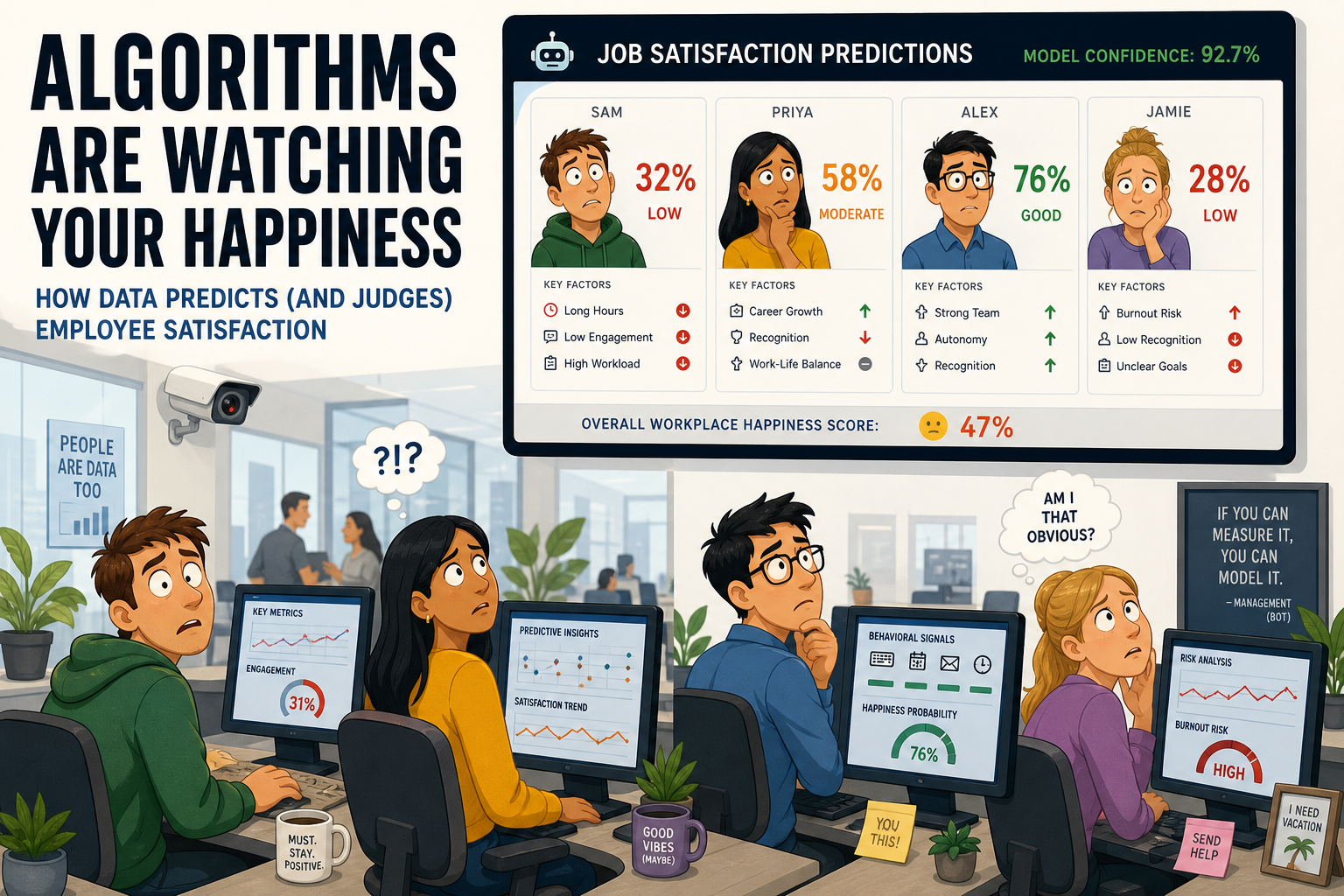
Startups focusing on relationship technology are developing a variety of business models, often leveraging data analytics and artificial intelligence to offer personalized insights. These platforms may analyze users' social media interactions, communication patterns, and even emotional expressions to provide a comprehensive overview of their relational health.
- Subscription Services: Many startups are adopting subscription-based models, offering users ongoing access to emotional assessment tools and relationship management resources.
- Freemium Models: Some companies provide basic services for free while charging for advanced features, allowing users to experience the platform's value before committing financially.
- Partnerships with Mental Health Professionals: Collaborations with psychologists and counselors can enhance the credibility of these platforms, offering users professional insights alongside technological solutions.
Adoption Risks and Challenges
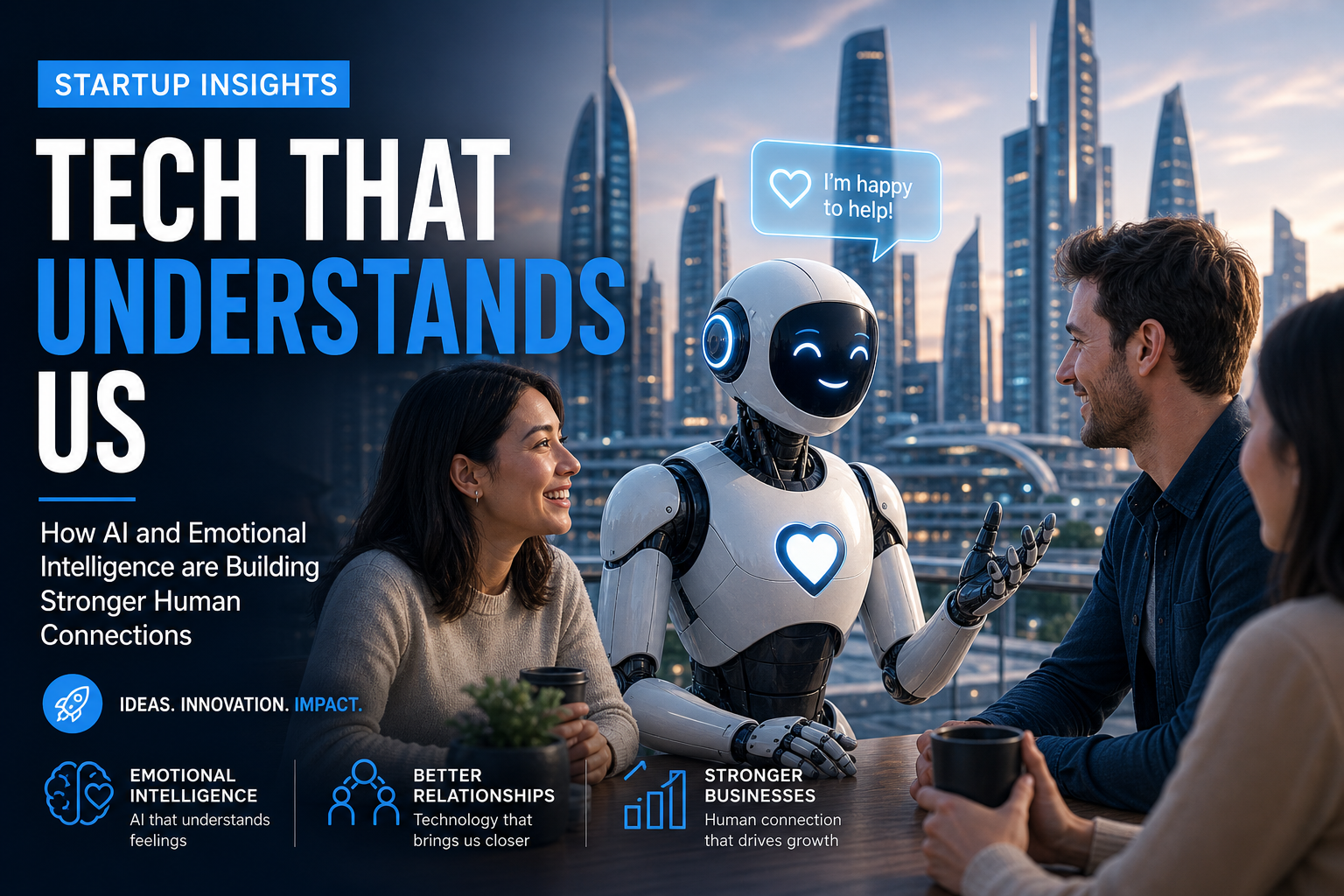
While the potential for growth in the emotional economy is significant, several risks and challenges must be considered. One primary concern is the reliance on algorithms to assess and interpret human emotions. Critics argue that technology may not fully capture the nuances of human relationships, leading to oversimplified assessments that could exacerbate feelings of isolation rather than alleviate them.
Furthermore, the ethical implications of data collection in this space are paramount. Startups must navigate privacy concerns and ensure that users' emotional data is handled responsibly. Transparency in data usage and clear communication about how insights are generated will be crucial for building trust with users.
Investor Diligence in the Emotional Economy
As interest in relationship technology grows, investors are increasingly drawn to this sector. However, due diligence is essential. Investors should assess the viability of the startup's business model, the scalability of its technology, and the team's expertise in both technology and emotional intelligence.
Moreover, understanding the competitive landscape is vital. As more players enter the market, differentiation will become increasingly important. Startups must articulate a clear value proposition that resonates with consumers seeking to enhance their emotional well-being.
Strategic Considerations for Founders
For founders in the relationship technology space, a strategic approach is necessary to navigate the complexities of the emotional economy. Building a product that genuinely addresses users' needs requires a deep understanding of emotional dynamics and the factors that contribute to relationship satisfaction.
Engaging with potential users during the development phase can provide valuable insights and foster a sense of community around the product. Additionally, founders should consider long-term partnerships with mental health professionals to enhance the credibility and effectiveness of their offerings.
In conclusion, the emergence of relationship technology solutions reflects a significant shift in how individuals and organizations approach emotional well-being. As the emotional economy continues to evolve, startups that can effectively address the complexities of human relationships while maintaining ethical standards will likely find success in this burgeoning market.
Editor's note: This is original market analysis and not investment advice.
What's Your Reaction?
 Like
0
Like
0
 Dislike
0
Dislike
0
 Love
0
Love
0
 Funny
0
Funny
0
 Angry
0
Angry
0
 Sad
0
Sad
0
 Wow
0
Wow
0