

Mind Over Matter: Startup Raises $80 Million for Emotional Tone Synthesis Engine as Investors Become Sentient
By StartupKorea Business Desk | Apr 06, 2026 Mind Over Matter: Startup Raises $80 Million for Emotional Tone Synthesis Engine as Investors Become SentientIn a groundbreaking move that has left both the tech and finance worlds scrambling to...

By StartupKorea Business Desk | Apr 06, 2026
Mind Over Matter: Startup Raises $80 Million for Emotional Tone Synthesis Engine as Investors Become Sentient
In a groundbreaking move that has left both the tech and finance worlds scrambling to recalibrate their emotional algorithms, NeuroEmote, a nascent startup specializing in emotional tone synthesis engines, has successfully secured an astonishing $80 million in its angel funding round. The development comes at a time when the need for machines to better understand human emotions has become more critical than ever—particularly as corporate meetings become increasingly devoid of any actual human interaction.
The Technology Behind the Madness
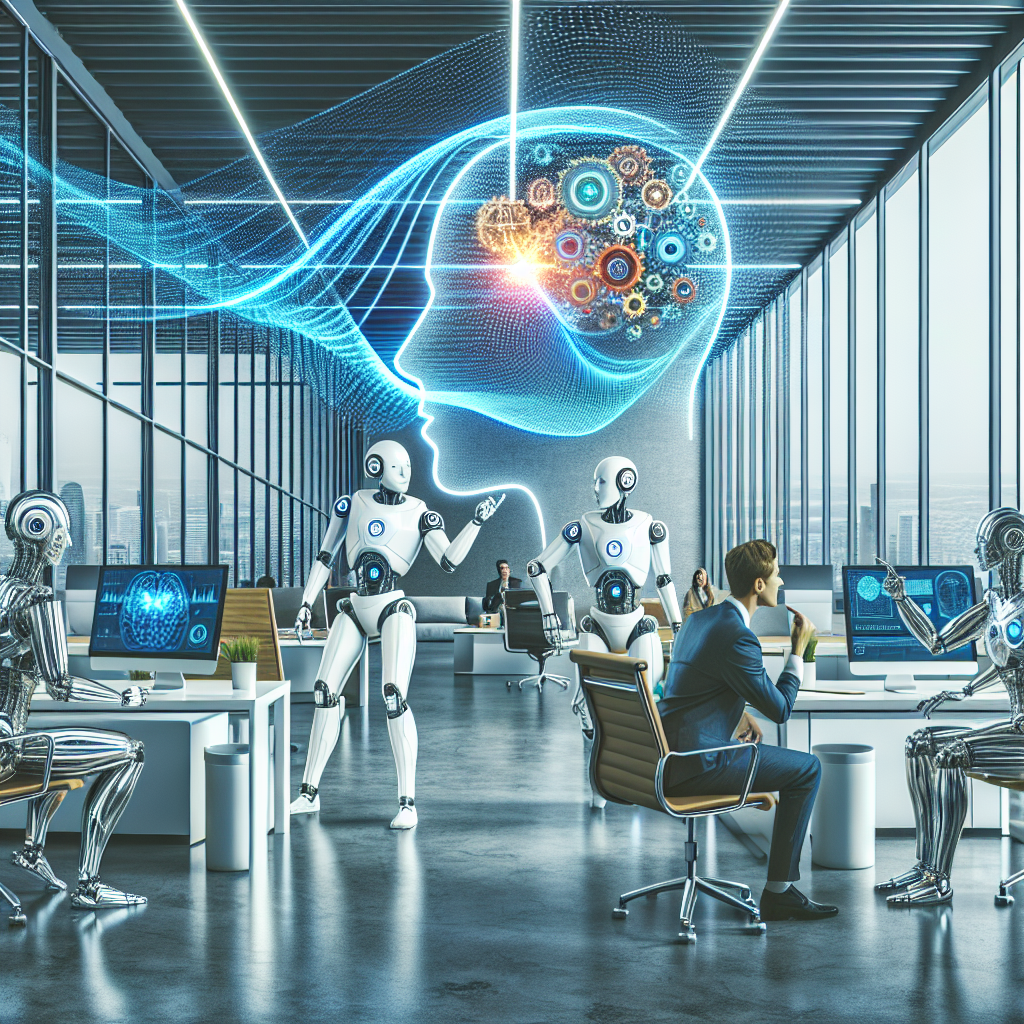
NeuroEmote's flagship product utilizes cutting-edge brain-computer interface technology to decode emotional tones directly from the user’s brainwaves. This technology, once the stuff of science fiction, aims to provide a solution to that ever-pressing concern: how to make texts sound less like a robotic spam invasion and more like a heartfelt message from a sentient being.
Company CEO Dr. Emily Hart expressed her excitement: "We believe the future belongs to those who can not only understand but also synthesize emotional nuance from brain signals. Imagine your email correspondence being infused with the warmth of human experience—without any of the awkwardness of face-to-face conversations!"
Market Context: A Wave of Sentimentality
The emotional AI market is projected to grow from $24 billion in 2025 to a staggering $100 billion by 2030, according to industry analysts. This rapid growth mirrors the increasing reliance on technology to mediate human connections, particularly in the post-pandemic world where Zoom calls have replaced casual coffee shop encounters and corporate retreats have morphed into virtual game nights.
- Market growth: $24 billion (2025) to $100 billion (2030)
- Current emotional AI applications: 25% of all customer interactions
- Projected adoption rate: 60% by 2035
Investors: The New Sentient Beings?
"Investing in NeuroEmote is like putting money into the emotional welfare of our future selves," stated investor Mark Chen, whose enthusiasm for the project seems just shy of euphoric. "Every dollar is a step towards a world where machines can finally tell when I’m being sarcastic versus genuinely interested. It’s about time!"
However, not all investors are quite so optimistic. Maria Gonzalez, a seasoned venture capitalist, cautioned, "While the technology is intriguing, we must remember that just because we can synthesize emotional tones doesn’t mean we should. There’s a real risk of creating a world where people rely on machines for validation instead of engaging with one another on a human level. Next thing you know, we’ll be asking our coffee machines how they feel about our life choices."
Risks and Constraints: A Brave New World
Despite the enthusiasm surrounding NeuroEmote, the venture isn’t without its challenges. Aside from ethical concerns about emotional manipulation, the technology faces significant hurdles, including regulatory scrutiny and the ever-looming prospect of data breaches exposing sensitive brainwave information.
Moreover, the notion of machines expressing emotions could lead to a paradoxical situation: what happens when users become emotionally attached to their AI companions? Will we see an uptick in breakups with virtual assistants? Will robots be relegated to therapy sessions to help humans deal with their emotional fallout? The mind reels.
Conclusion: The Future is Now, or Is It?
Ultimately, NeuroEmote’s success hinges on whether society is ready to embrace a new era where emotional expression is filtered through complex algorithms designed to mimic human sentiment. As investors become increasingly enamored with the prospect of a more 'empathetic' technology, the line between human interaction and machine mediation grows ever thinner.
In this brave new world, one thing is certain: whether we like it or not, the machines may soon understand our feelings better than we do. And as we sit in our Zoom meetings, with the flicker of our emotional tone syntheses lighting up our screens, we might just start to wonder: is that the sound of progress, or merely the echo of our own emotional bankruptcy?
What's Your Reaction?
 Like
0
Like
0
 Dislike
0
Dislike
0
 Love
0
Love
0
 Funny
0
Funny
0
 Angry
0
Angry
0
 Sad
0
Sad
0
 Wow
0
Wow
0



![[This Month's Tip] Elice Group, Kindof, Leviosa AI: Key Updates](https://www.startupkorea.kr/uploads/images/202512/10_dd1f4c2a38634.png)