


Meet the Robo-Chef Revolution: $1.2 Billion Pre-IPO Investment Serves Up Synthetic Biology on a Platter
By StartupKorea Business Desk | Feb 11, 2026 Robots and Biotech: The Unholy Union of Culinary ConvenienceIn a world where dinner decisions can take longer than the actual meal preparation, a new startup, RoboCulinaria, is making headlines w...

By StartupKorea Business Desk | Feb 11, 2026
Robots and Biotech: The Unholy Union of Culinary Convenience
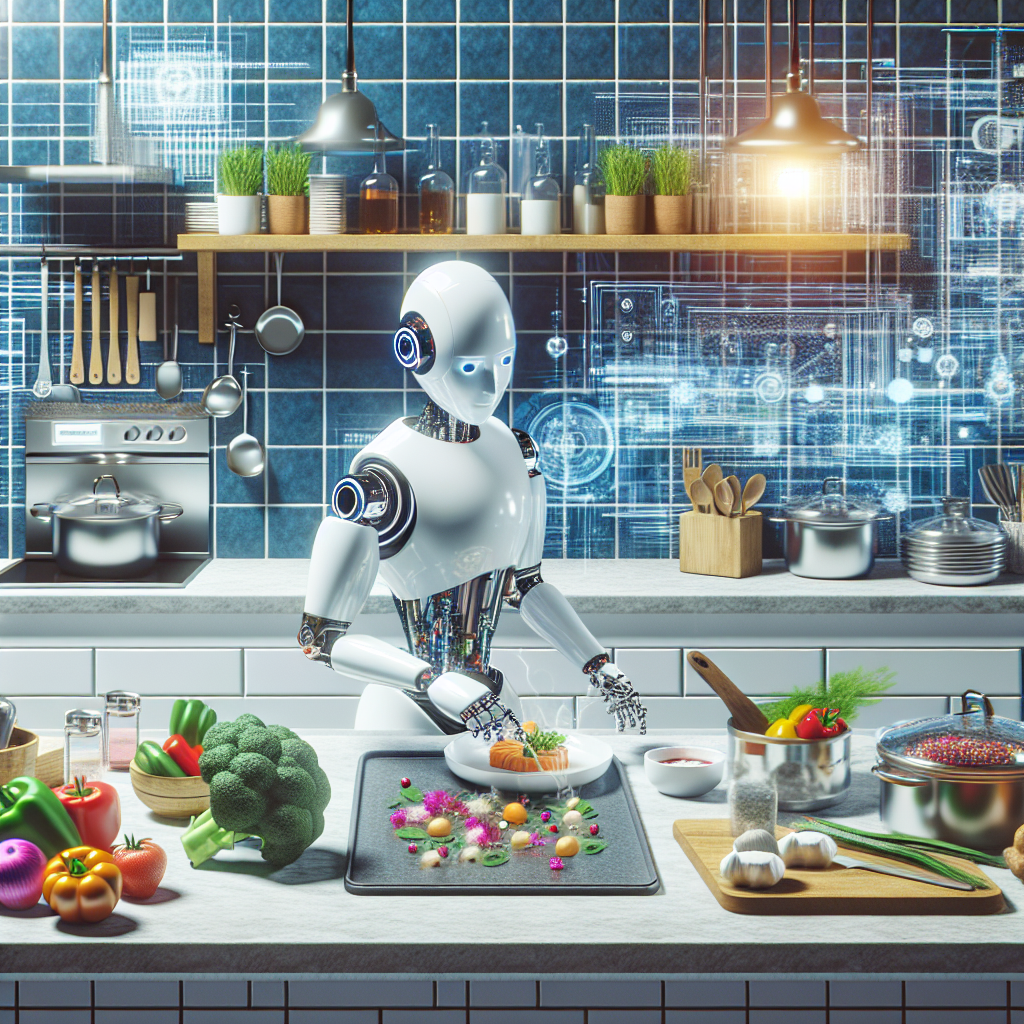
In a world where dinner decisions can take longer than the actual meal preparation, a new startup, RoboCulinaria, is making headlines with its audacious plan to merge robotic cooking delivery with cutting-edge synthetic biology chips. With a pre-IPO funding round that has reached a staggering 1.2 trillion won (approximately $1 billion), investors are salivating at the thought of this culinary revolution that promises to deliver gourmet meals straight to your door—cooked by robots.
The Investment Landscape: Dollars and Cents of Culinary Disruption
RoboCulinaria's pre-IPO valuation recently skyrocketed from a mere whisper to a deafening shout, as investors lined up to partake in the feast. The food tech sector, which in 2022 was valued at around $250 billion, is projected to exceed $420 billion by 2030, according to industry analysts. “We're witnessing a paradigm shift,” states Ava Granger, a food tech analyst at Futurist Ventures. “The fusion of synthetic biology with customer service robots may just be the key ingredient for success in this growing sector.”
To Serve and Protect: The Risks of Robo-Cooking
Despite the overwhelming enthusiasm, the road to a robot-served dinner is not without its potholes. Critics argue that reliance on robot chefs could lead to a catastrophic culinary failure. “What if a robot misinterprets a recipe and serves you something that resembles a chemistry set explosion?” questions Tom Penner, a skeptical investment banker. “That could redefine ‘dinner and a show.’”
Moreover, the regulatory landscape surrounding synthetic biology chips poses a significant risk. As government oversight tightens, RoboCulinaria may find itself scrambling to meet compliance standards, which could impact their operational timeline and investor confidence.
The Innovation Factor: Eating Your Way into the Future
At the heart of this venture lies the synthetic biology chip, a piece of technology designed to analyze and execute culinary techniques at an unprecedented level. “This could fundamentally change our relationship with food,” claims company CEO, Dr. Jess Talbot. “Imagine a world where your dinner is perfectly seared, seasoned, and plated—without you lifting a finger or risking third-degree burns.”
Consumer Sentiment: Wanting It All, Right Now
In the age of instant gratification, RoboCulinaria taps into a growing customer base that desires convenience above all. A survey conducted by Culinary Insights revealed that 78% of millennials would consider using a robot chef for weeknight meals. However, the real question remains: are consumers ready to embrace a future where the family kitchen is occupied by a silicon-based sous-chef?
Competing Interests: The Human Touch vs. The Machine
Opponents of robotic cooking argue that the essence of food lies not in the perfect sear or optimal spice blend, but rather in the human experience of cooking together. “Food is about connection, not just consumption,” states community chef Maria Solis. “Can a robot truly understand the nuances of a family recipe passed down through generations?”
As RoboCulinaria prepares to make its public debut, the debate rages on. Will investors' appetites for the synthetic culinary experience succeed in transforming dinner as we know it, or will the notion of a robotic chef be relegated to a novelty act, just short of blowing a fuse in the kitchen?
The Bottom Line: A Taste of the Future or a Recipe for Disaster?
As pre-IPO excitement reaches a fever pitch, the question lingers: Is this the dawn of a new era in culinary innovation, or an overcooked idea destined for the scrap heap? One thing is for sure—whether it’s a success or a failure, the story of RoboCulinaria will be a feast for the ages.
- Pre-IPO investment: $1.2 billion
- Projected food tech market growth: $250 billion to $420 billion by 2030
- Consumer interest: 78% of millennials open to robotic cooking services
What's Your Reaction?
 Like
0
Like
0
 Dislike
0
Dislike
0
 Love
0
Love
0
 Funny
0
Funny
0
 Angry
0
Angry
0
 Sad
0
Sad
0
 Wow
0
Wow
0