
Meet the Memory Economy: Startup Aims to Cash in on an Aging Population with Shape-Shifting Robots
By StartupKorea Business Desk | Mar 26, 2026 Memory Economy, Shape-Shifting Robots: A Match Made in Silicon Valley HeavenIn a quirky twist that could only materialize in the fertile grounds of Silicon Valley, a startup has secured 50 billio...

By StartupKorea Business Desk | Mar 26, 2026
Memory Economy, Shape-Shifting Robots: A Match Made in Silicon Valley Heaven
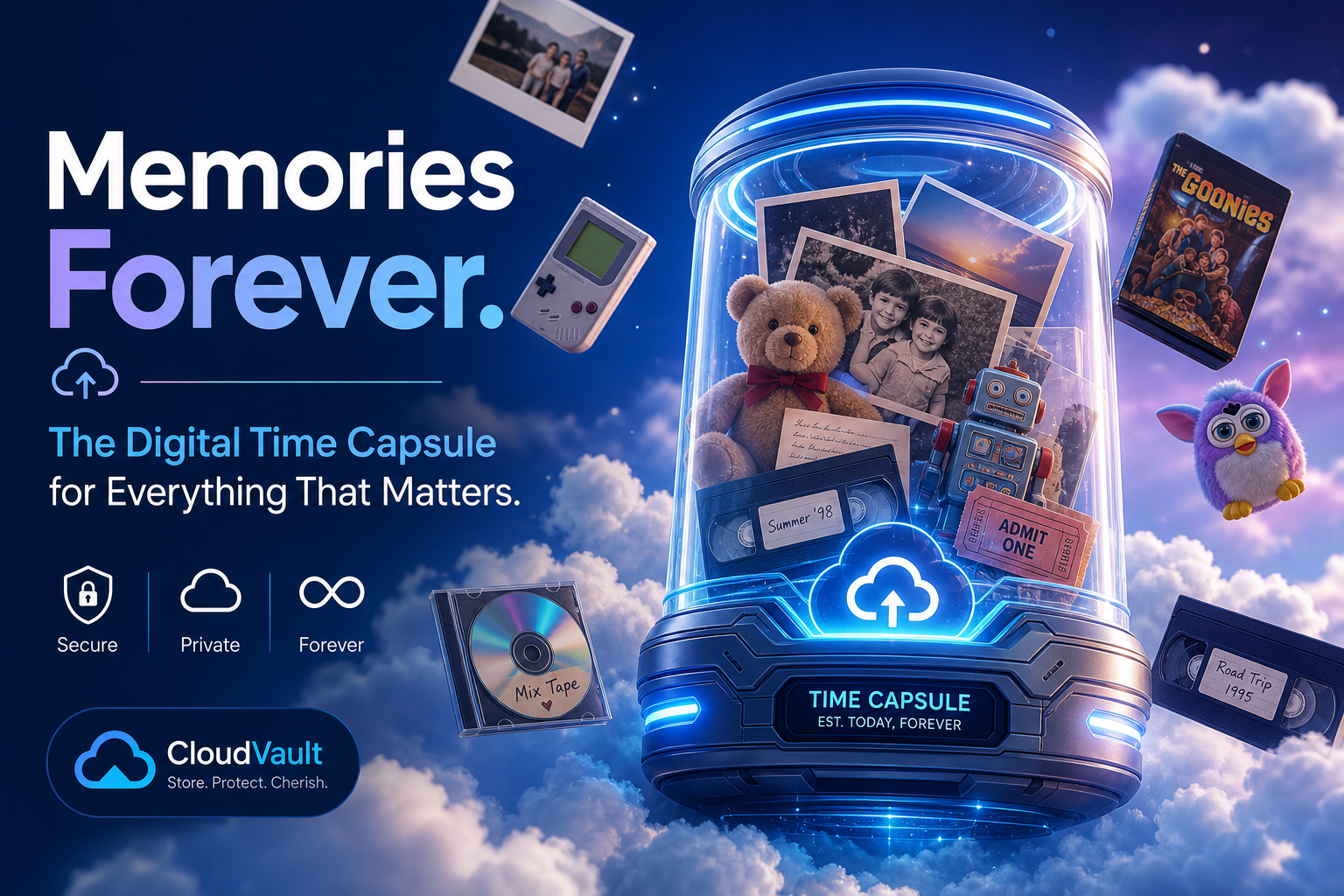
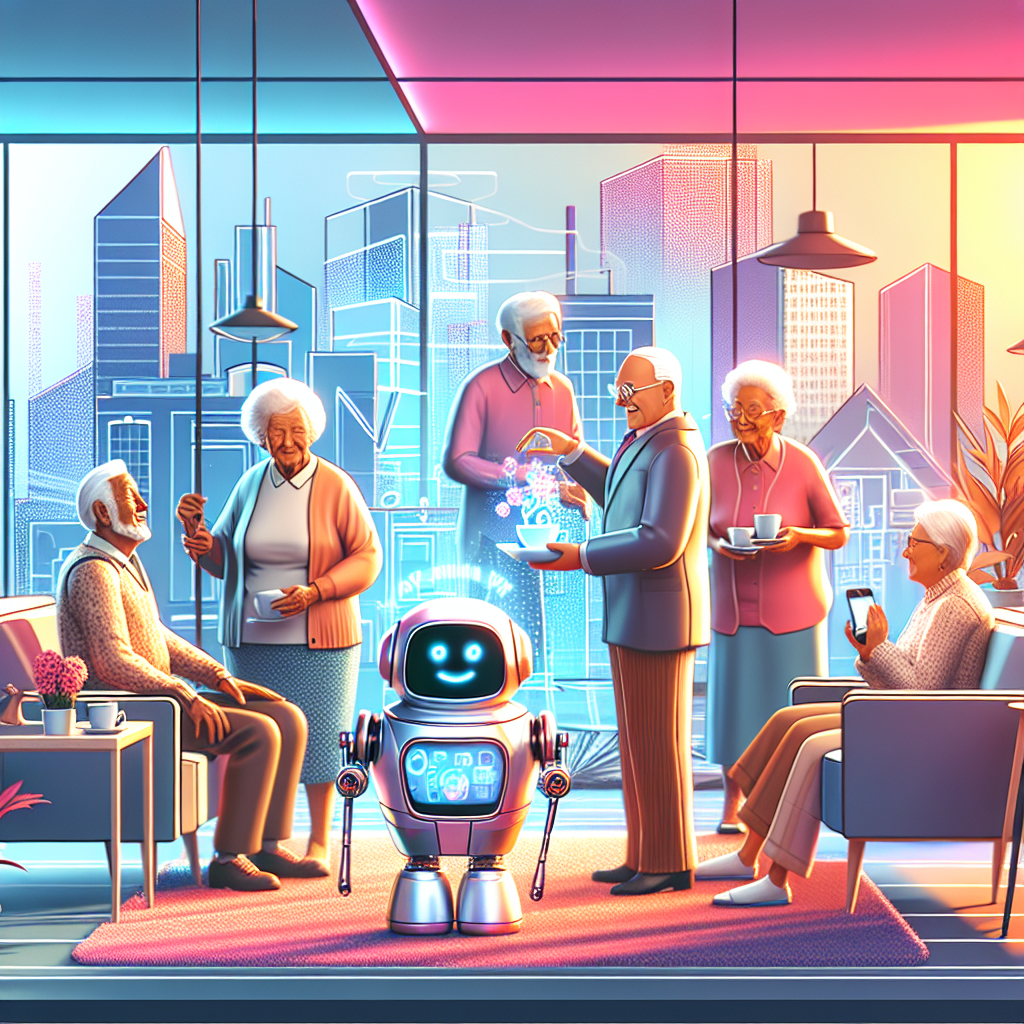
In a quirky twist that could only materialize in the fertile grounds of Silicon Valley, a startup has secured 50 billion won in Series A funding to launch an innovative platform dubbed the "Memory Economy." This platform, designed to assist individuals in a rapidly aging society, aims to offer a nostalgic blend of memory enhancement and robotic assistance—all wrapped in a package that promises to be as intriguing as it is absurd.
Aging Population: The Perfect Storm for Investment
With the world’s population over the age of 65 projected to double from 703 million in 2019 to 1.5 billion by 2050, the potential market for memory-related services is tantalizingly vast. According to a recent study, cognitive health products are expected to reach a staggering $100 billion by 2030. Naturally, this has attracted investors like moths to a flame—or perhaps more accurately, like nostalgic grandpas to a game of bingo.
Robots That Remember: What Could Go Wrong?
At the helm of this curious venture is CEO Alice Jenson, who boldly declared, "Why wait for technological advancements to catch up to our needs? With our shape-shifting robots, we’re not just remembering memories; we’re bending time and space!" Her enthusiasm, while infectious, raises a few eyebrows.
The robots, made from an innovative material that supposedly changes shape and texture based on emotional cues, will assist the elderly in remembering names, dates, and where they left their glasses—while also occasionally reminding them to take their medication. In other words, they’ll be the ultimate companions, combining the charm of a pet with the utility of a spreadsheet.
Investment Enthusiasm and the Risks of the Unknown
Not surprisingly, investors have lined up to partake in this cognitive gold rush. Venture capitalist Mark Davidson stated, "Investing in the memory economy is like investing in nostalgia itself. Plus, who wouldn’t want their own shape-shifting robot?" His optimism, however, doesn’t obscure the reality that such a startup faces significant hurdles.
- Market projections suggest a compound annual growth rate (CAGR) of 25% for cognitive health products through 2030.
- 50 billion won, or approximately $42 million, was raised in Series A funding.
- The global population aged 65 and older is expected to reach 1.5 billion by 2050.
Counterarguments: Is This Really What We Need?
While the potential for profit is evident, industry analysts are quick to urge caution. Dr. Evan Chen, a gerontologist, expressed skepticism: "Do we really need robots to help us remember things? Isn’t that what family and friends are for?" His viewpoint underscores an essential debate about the role of technology in our lives.
Additionally, ethical considerations loom large. If shape-shifting robots are programmed to interact emotionally, how will consumers differentiate between genuine human connections and a cleverly designed machine? One can only imagine the complexities of a robot attempting to comfort a grieving partner, all while asking for feedback via a rating system.
Conclusion: Can Robots Really Replace Memories?
As the Memory Economy gears up to launch, only time will tell if it will become a staple in households or simply a passing fad. With innovations that stretch the boundaries of both imagination and reality, the startup has certainly captured our attention—whether it’s through pure fascination or bewilderment remains to be seen.
In a world where the elderly are sometimes forgotten in the fray of technological advancements, this venture could either become a revolutionary ally or a cautionary tale of misplaced priorities. After all, when it comes to memories, is it wise to trust a robot?
What's Your Reaction?
 Like
0
Like
0
 Dislike
0
Dislike
0
 Love
0
Love
0
 Funny
0
Funny
0
 Angry
0
Angry
0
 Sad
0
Sad
0
 Wow
0
Wow
0