





Market Analysis: The Challenges and Opportunities in the Failed Startup IP Sector
Market Analysis: The Challenges and Opportunities in the Failed Startup IP Sector By Startup Korea Research Desk | Apr 26, 2026 The landscape of startup innovation is often characterized by rapid growth and equally rapid failures. A recent case...

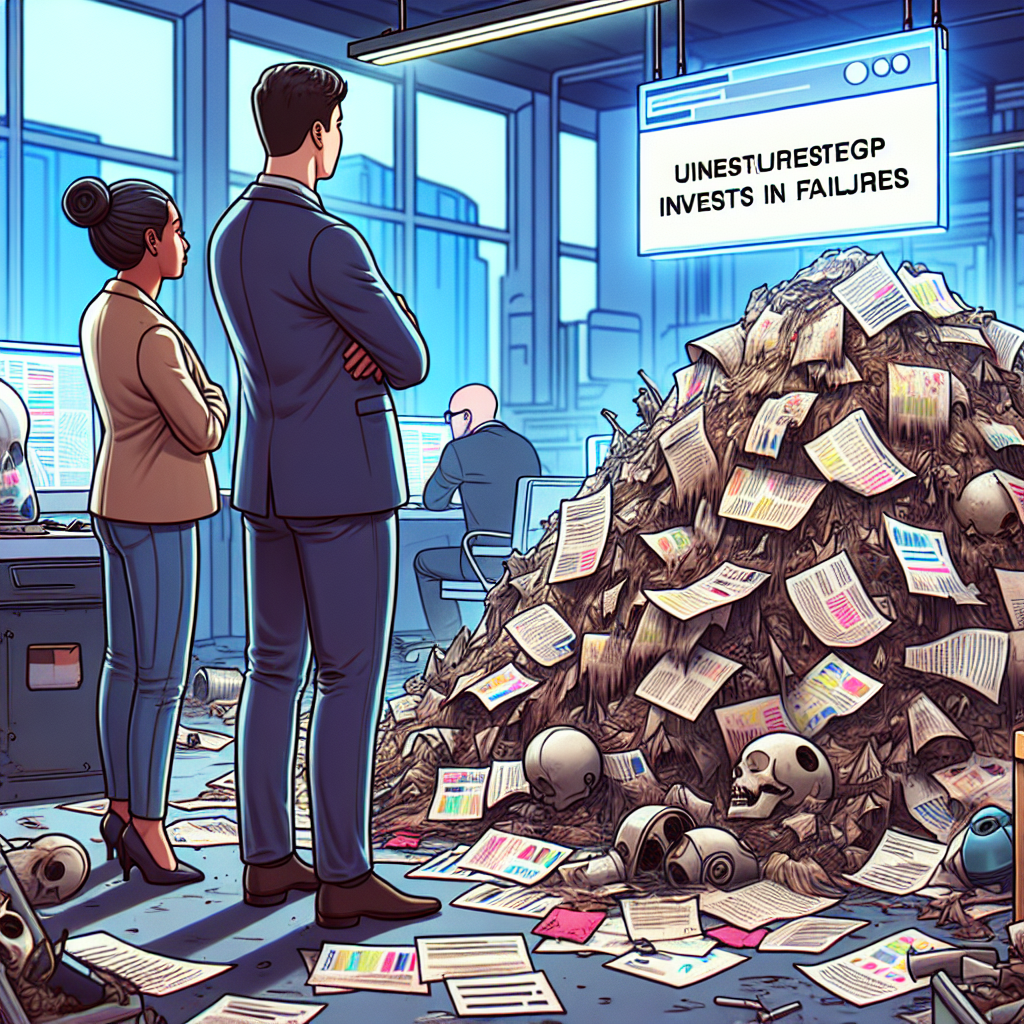
Market Analysis: The Challenges and Opportunities in the Failed Startup IP Sector
By Startup Korea Research Desk | Apr 26, 2026
The landscape of startup innovation is often characterized by rapid growth and equally rapid failures. A recent case study in this dynamic environment is the emergence of companies focused on the intellectual property (IP) of failed startups. This analysis explores the market trends, business model viability, and the associated risks that investors and founders face in this niche sector.
The Concept of Failed Startup IP
The idea of monetizing the intellectual property of defunct startups has gained traction in recent years. As the startup ecosystem continues to evolve, it has become apparent that a significant volume of innovation is left behind when companies fail. The global market for failed startup IP is estimated to be valued at approximately $20 billion, presenting a unique opportunity for firms willing to navigate the complexities of this space.
Market Trends and Dynamics
The startup economy is notoriously volatile, with approximately 90% of new ventures failing within the first five years. This high failure rate has led to an increasing interest in the potential value of the intellectual property that these companies leave behind. However, the market for failed startup IP remains largely untapped, with many investors hesitant to engage due to the inherent risks involved.
- Investor Sentiment: Many investors view the acquisition of failed startup IP as a speculative venture. The uncertainty surrounding the potential for recovery or monetization of these assets raises significant concerns. Analysts have likened investing in failed startups to gambling, where the odds of success are low and the potential for loss is high.
- Business Model Viability: Companies attempting to capitalize on this market must develop robust business models that clearly outline how they plan to acquire, manage, and monetize failed IP. Without a clear strategy, these firms may struggle to gain investor confidence.
- Regulatory Challenges: The legal landscape surrounding intellectual property can be complex, particularly when dealing with assets from failed companies. Navigating these regulations is crucial for firms aiming to operate in this space.
Adoption Risks and Challenges
While the potential for profit exists, several adoption risks must be considered. First, the perception of failed startups can deter investors and partners from engaging with firms in this sector. The stigma associated with failure in the startup world can hinder efforts to build credibility and trust.
Additionally, the process of acquiring and managing failed IP can be resource-intensive. Companies must invest in due diligence to assess the value of these assets accurately. This includes understanding the market landscape, potential legal issues, and the competitive environment.
Strategic Considerations for Founders
For founders looking to enter the failed startup IP market, a clear strategy is essential. This includes:
- Market Research: Conduct thorough research to identify valuable IP that can be salvaged and monetized. Understanding market demand and trends will be crucial in making informed decisions.
- Building Relationships: Establishing connections with investors, legal experts, and other stakeholders can provide valuable insights and support. Networking within the startup ecosystem can also help mitigate risks.
- Innovative Solutions: Developing innovative approaches to manage and monetize failed IP can set a company apart from competitors. This may involve leveraging technology or forming strategic partnerships.
Conclusion
The market for failed startup IP presents both challenges and opportunities. While the potential for profit exists, navigating the complexities of this sector requires careful consideration and strategic planning. Investors and founders must remain diligent in their approach, balancing the allure of untapped assets with the realities of a high-risk environment.
Editor's note: This analysis is original market research and does not constitute investment advice.
What's Your Reaction?
 Like
0
Like
0
 Dislike
0
Dislike
0
 Love
0
Love
0
 Funny
0
Funny
0
 Angry
0
Angry
0
 Sad
0
Sad
0
 Wow
0
Wow
0