





Market Analysis of AI-Driven Pet Insurance Fraud Detection: Trends and Challenges
Market Analysis of AI-Driven Pet Insurance Fraud Detection: Trends and Challenges By Startup Korea Research Desk | Apr 14, 2026 The pet insurance industry has witnessed significant growth in recent years, driven by increasing pet ownership and r...

Market Analysis of AI-Driven Pet Insurance Fraud Detection: Trends and Challenges
By Startup Korea Research Desk | Apr 14, 2026
The pet insurance industry has witnessed significant growth in recent years, driven by increasing pet ownership and rising veterinary costs. As the market expands, so does the potential for fraudulent claims, prompting startups to explore innovative solutions to mitigate risks. One such approach involves the application of advanced artificial intelligence (AI) and medical imaging technology to enhance fraud detection in pet insurance.
Growth of the Pet Insurance Market
As of 2023, the pet insurance market was estimated to be valued at approximately $3.5 billion, with a remarkable compound annual growth rate (CAGR) of 33%. Projections indicate that by 2030, the market could reach around $15 billion. This growth is attributed to several factors, including the increasing willingness of pet owners to invest in their pets' health and the rising costs associated with veterinary care. As more consumers recognize the value of pet insurance, the demand for comprehensive coverage options is expected to surge.
Innovative Solutions for Fraud Detection
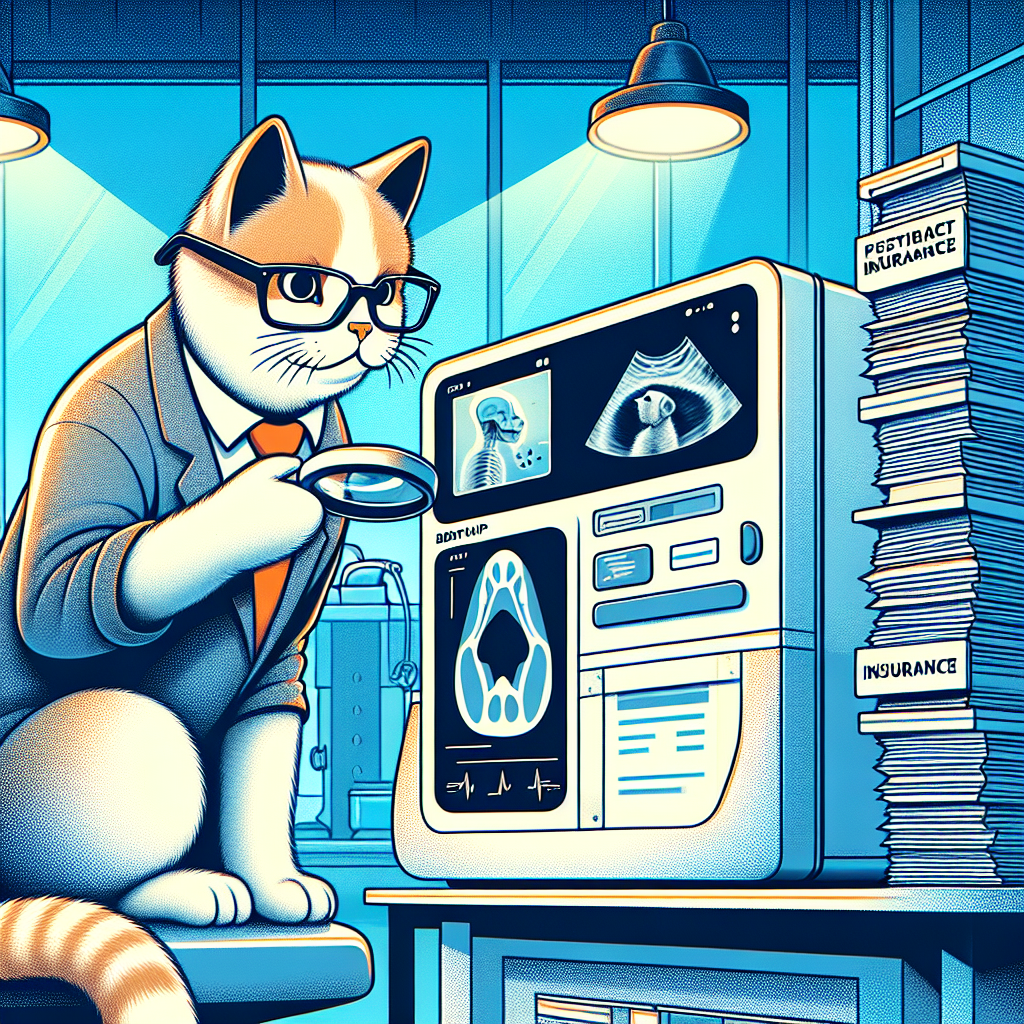
In response to the growing market, startups are exploring innovative technologies to address the challenges of fraud in pet insurance claims. One notable trend is the integration of AI and high-resolution medical imaging to enhance the accuracy of claim assessments. By utilizing advanced imaging techniques, these startups aim to identify discrepancies in claims that may indicate fraudulent activity.
The rationale behind employing medical imaging technology is to leverage existing diagnostic tools that have proven effective in human healthcare. By adapting these technologies for veterinary applications, startups can potentially improve the accuracy of claim evaluations, thereby reducing the incidence of fraud.
Market Adoption and Challenges
While the application of AI in fraud detection presents a promising avenue for innovation, several challenges must be addressed to ensure successful market adoption. One primary concern is the practicality of implementing high-resolution imaging technology in routine claims processing. The integration of such advanced systems may require significant investment in infrastructure and training, which could pose barriers for smaller insurance providers.
Additionally, there is a need for transparency and trust among pet owners regarding the use of AI in evaluating claims. Consumers may be wary of how their pets' medical data is utilized and the implications of AI-driven assessments on their claims. Startups must prioritize building trust with their customer base to facilitate acceptance of these new technologies.
Investor Considerations
As the pet insurance market continues to grow, investors are increasingly interested in startups that offer innovative solutions to address emerging challenges. However, due diligence is essential. Investors should carefully evaluate the scalability of the technology, the startup's ability to navigate regulatory requirements, and the overall market landscape.
Moreover, understanding the competitive landscape is crucial for investors. With numerous startups vying for attention in the pet insurance space, distinguishing between viable solutions and those that may struggle to gain traction will be key to making informed investment decisions.
Conclusion
The intersection of AI technology and pet insurance fraud detection represents a compelling opportunity for startups aiming to disrupt the market. As the industry evolves, the successful implementation of innovative solutions will depend on addressing practical challenges, building consumer trust, and ensuring investor confidence. The potential for growth in the pet insurance sector remains robust, but navigating the complexities of fraud detection will require strategic foresight and adaptability from emerging players.
Editor's note: This analysis is original market research and does not constitute investment advice.
What's Your Reaction?
 Like
0
Like
0
 Dislike
0
Dislike
0
 Love
0
Love
0
 Funny
0
Funny
0
 Angry
0
Angry
0
 Sad
0
Sad
0
 Wow
0
Wow
0