



Is Citizen-Driven Urban Redesign the Future or Just a Flash in the Tech Pan?
By StartupKorea Business Desk | Feb 26, 2026 Revolutionizing Urban Spaces, One Citizen at a TimeIn a surprising twist that has left urban planners and tech investors scratching their heads, a new startup has launched a citizen engagement pl...

By StartupKorea Business Desk | Feb 26, 2026
Revolutionizing Urban Spaces, One Citizen at a Time
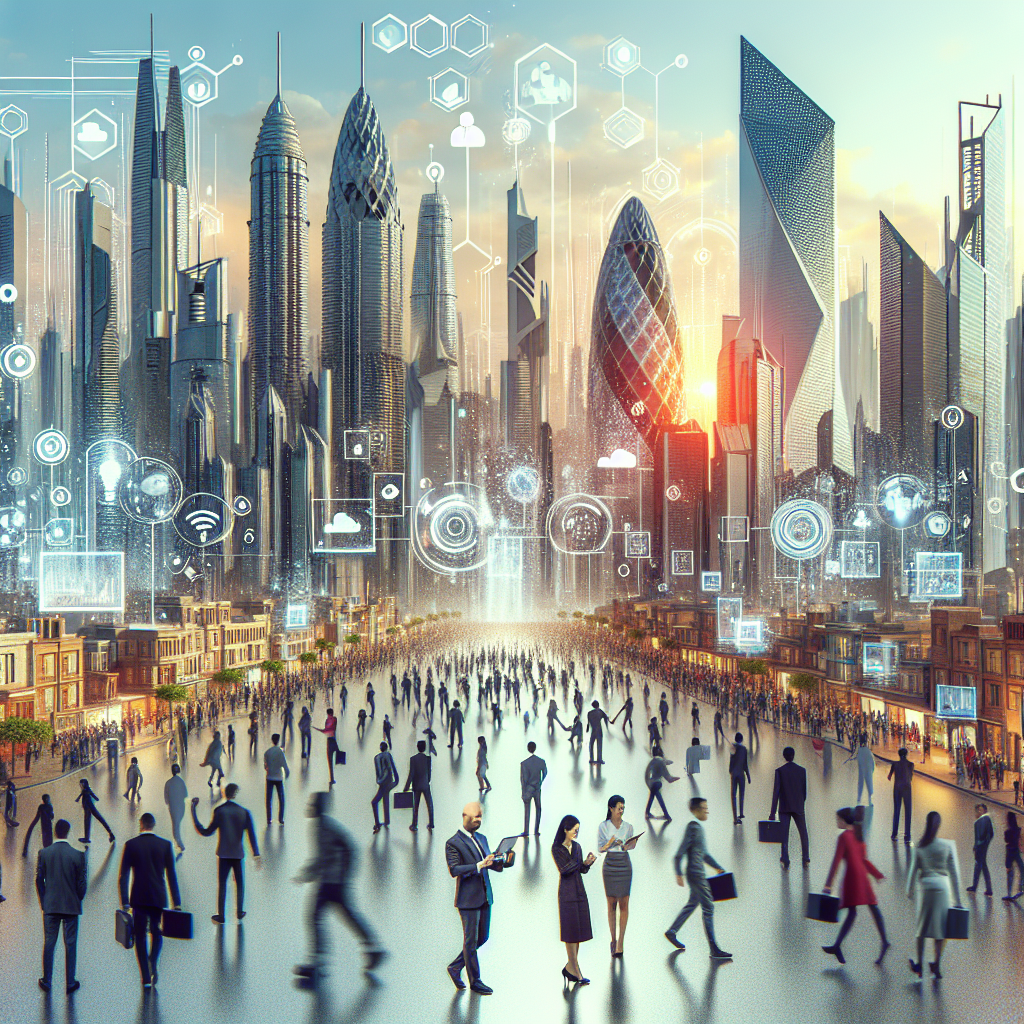
In a surprising twist that has left urban planners and tech investors scratching their heads, a new startup has launched a citizen engagement platform aimed at redefining city landscapes through the magic of data fabric automation. Dubbed 'UrbanGPT', the platform promises to turn the average citizen into a powerful urban designer—if only they can spare a moment from scrolling through social media.
Investment Boom or Tech Mirage?
UrbanGPT recently secured a jaw-dropping $25 million in a Series A funding round led by the illustrious venture capital firm, InnovateInvest. This landmark deal has placed them squarely in the crosshairs of a market estimated to reach $500 billion by 2028, as cities scramble to adopt tech solutions for more sustainable living environments. CEO Jenna Bright, who candidly described the new funding as 'a glorious validation of our grandiose ambitions,' noted, 'This is not just an investment; it's an invitation to the future of urban living.'
Data Fabric: The Secret Sauce for Citizen Engagement
The core of UrbanGPT's proposal is its data fabric automation technology, which purports to aggregate citizen input into actionable urban design insights. 'Imagine a platform where your thoughts on bike lanes are transformed into actual blueprints,' said Bright. 'It's like taking a neighborhood feedback form and turbocharging it with artificial intelligence, but with all the fun of predicting your morning commute.'
However, skeptics are already raising eyebrows over the feasibility of such lofty ambitions. Analyst Richard P. Dullard expressed concerns, stating, 'While citizen input is valuable, the idea that everyday people can craft architectural masterpieces is somewhat akin to expecting a toddler to paint the Mona Lisa.'
Market Context: Riding the Wave of Citizen Engagement
The market for citizen engagement technologies has seen an extraordinary 50% growth year-on-year, fueled by the increasing demand for participatory governance. With local governments under pressure to involve their constituents, platforms like UrbanGPT are poised to thrive—assuming they can overcome the glaring challenge of turning opinions into practical designs.
- Estimated market size for urban tech: $500 billion by 2028
- Annual growth rate of citizen engagement tech: 50%
- Series A funding secured: $25 million
Risks: The Fine Line Between Innovation and Absurdity
Yet, the road to urban utopia is fraught with pitfalls. Critics argue that empowering citizens to redesign streets could lead to unforeseen chaos, such as spontaneous parkour zones or a sudden influx of poorly designed public art installations. Investor Lila Green questioned, 'Are we ready to trust the average citizen with urban planning? I barely trust my neighbor to shovel their sidewalk properly.'
Moreover, the technological infrastructure needed to support this kind of platform requires substantial investment and advanced cybersecurity measures. If UrbanGPT can't guarantee the safety of its data fabric, it risks exposing cities to cyber threats, which is less 'smart city' and more 'dystopian future.'
Opposing Viewpoints: The Skepticism of Pragmatists
While some stakeholders are embracing the vision of a citizen-driven design revolution, others remain firmly entrenched in the realm of skepticism. Urban planning veteran Bill M. Pretentious remarked, 'This is just another example of tech companies thinking they can solve complex civic problems with an app. I’m still waiting for the app that makes my coffee for me.'
As UrbanGPT navigates this paradoxical landscape, it remains to be seen whether the fusion of citizen input and automated data will produce a symphony of urban innovation or a cacophony of disastrous designs. Only time will tell if the future of city living lies in collective consciousness or simply collective confusion.'
What's Your Reaction?
 Like
0
Like
0
 Dislike
0
Dislike
0
 Love
0
Love
0
 Funny
0
Funny
0
 Angry
0
Angry
0
 Sad
0
Sad
0
 Wow
0
Wow
0