


Investors Commit $30 Billion to Emotionally Intelligent Technology: Analyzing Market Trends and Risks
Investors Commit $30 Billion to Emotionally Intelligent Technology: Analyzing Market Trends and Risks By Startup Korea Research Desk | Apr 27, 2026 The recent announcement of a consortium of venture capitalists investing $30 billion into startup...


Investors Commit $30 Billion to Emotionally Intelligent Technology: Analyzing Market Trends and Risks
By Startup Korea Research Desk | Apr 27, 2026
The recent announcement of a consortium of venture capitalists investing $30 billion into startups specializing in emotionally intelligent technology has sparked considerable discussion among industry analysts and investors alike. This significant financial commitment raises questions about the viability and sustainability of emotional intelligence as a business model in the current economic landscape.
The Rise of Emotional Intelligence in Business
As companies strive to differentiate themselves in a crowded marketplace, emotional intelligence is becoming a focal point for customer engagement strategies. The ability to understand and respond to customer emotions can enhance brand loyalty and drive sales. According to market projections, the emotional analytics sector is expected to reach $1 trillion by 2028, with a compound annual growth rate (CAGR) of 35%. This growth is indicative of a broader trend where businesses are increasingly prioritizing emotional connections over traditional financial metrics.
Understanding the Technology
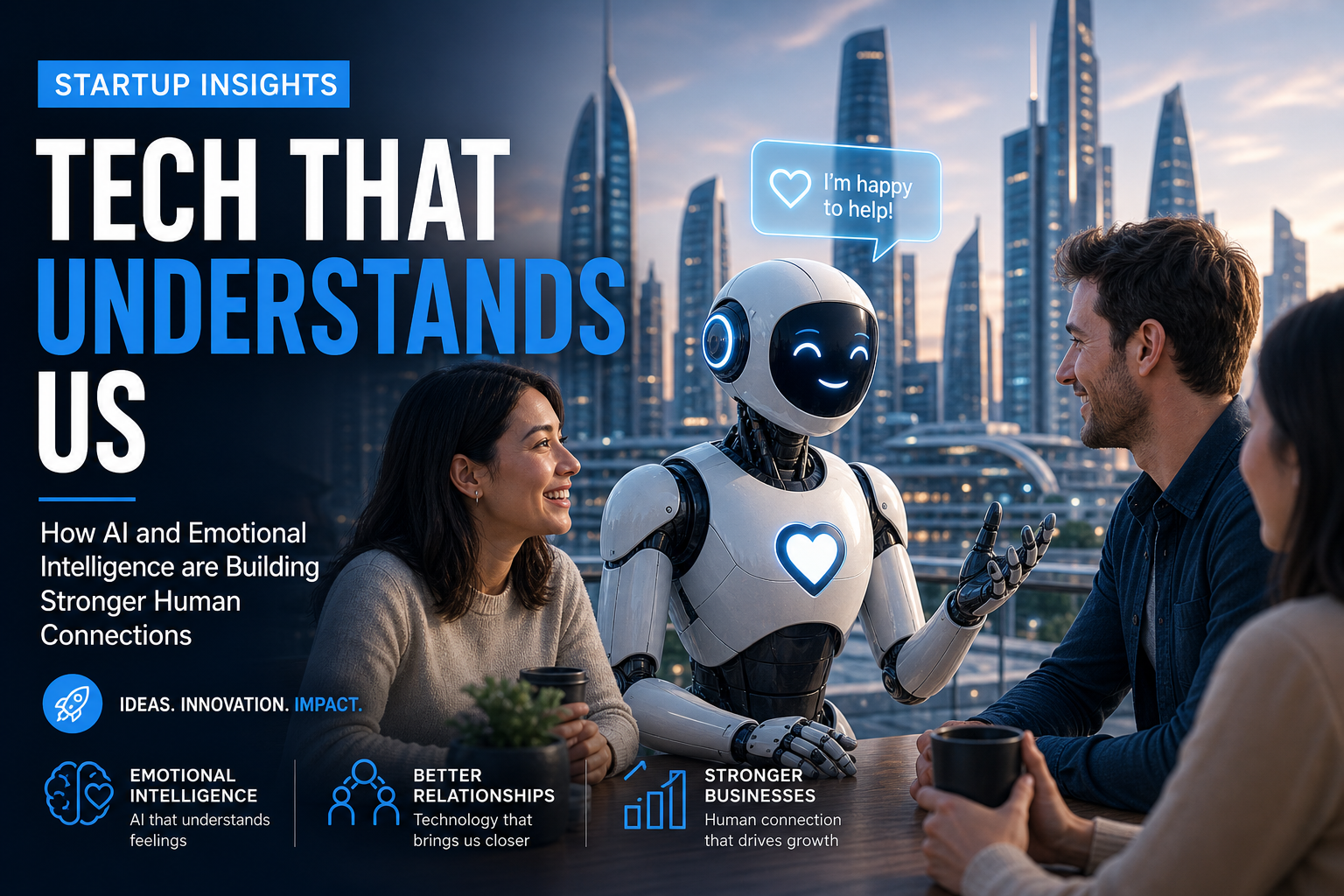
At the core of this investment wave is the development of technologies that can analyze and synthesize emotional data. Startups in this space are leveraging advancements in artificial intelligence and machine learning to create algorithms capable of interpreting human emotions in real-time. These technologies aim to provide businesses with insights that can inform marketing strategies, product development, and customer service.
Market Potential and Business Models
The potential applications for emotionally intelligent technology are vast. From customer service chatbots that can detect frustration to marketing campaigns that resonate on a deeper emotional level, the possibilities are extensive. However, the business models surrounding these technologies must be robust to ensure long-term success. Companies need to consider the following factors:
- Scalability: Can the technology be scaled to meet the demands of larger enterprises?
- Integration: How easily can these solutions be integrated into existing business processes?
- Data Privacy: What measures are in place to protect sensitive emotional data?
- Measurable ROI: How can businesses quantify the return on investment from implementing emotional intelligence solutions?
Adoption Risks and Challenges
Despite the optimistic outlook, there are significant risks associated with the adoption of emotionally intelligent technology. Critics argue that quantifying human emotions is inherently complex and fraught with challenges. The nuances of human feelings may not be easily captured by algorithms, leading to potential misinterpretations and misapplications of emotional data.
Moreover, there is a risk that businesses may over-rely on technology to understand their customers, neglecting the importance of genuine human interaction. This could result in a disconnect between brands and consumers, ultimately undermining the very emotional connections these technologies aim to foster.
Investor Diligence and Founder Strategy
For investors, the influx of capital into emotionally intelligent tech necessitates thorough due diligence. Evaluating the technology's feasibility, the founding team's expertise, and the startup's market positioning will be crucial in determining the potential for success. Founders must articulate a clear vision that not only addresses the technological aspects but also emphasizes the ethical considerations surrounding emotional data usage.
Furthermore, as the market evolves, startups will need to remain agile, adapting their offerings to meet changing consumer expectations and technological advancements. A strong focus on user experience and continuous improvement will be essential for maintaining a competitive edge.
Conclusion
The $30 billion investment in emotionally intelligent technology signals a significant shift in how businesses approach customer engagement. While the potential for growth in this sector is substantial, it is accompanied by a host of challenges that must be navigated carefully. Stakeholders must remain vigilant, balancing innovation with ethical considerations to ensure that the promise of emotional intelligence translates into real-world success.
Editor's note: This article presents original market analysis and is not intended as investment advice.
What's Your Reaction?
 Like
0
Like
0
 Dislike
0
Dislike
0
 Love
0
Love
0
 Funny
0
Funny
0
 Angry
0
Angry
0
 Sad
0
Sad
0
 Wow
0
Wow
0