



Investors Bet Big on the Metaverse: Will Reviving Forgotten Shops Be the Next Goldmine?
By StartupKorea Business Desk | Mar 16, 2026 A Metaverse Revival: Where Ghost Shops Meet Health TechIn a move that leaves many scratching their heads, a nascent startup, MetaverseRevive, announced it has successfully raised ₩50 billion in S...

By StartupKorea Business Desk | Mar 16, 2026
A Metaverse Revival: Where Ghost Shops Meet Health Tech
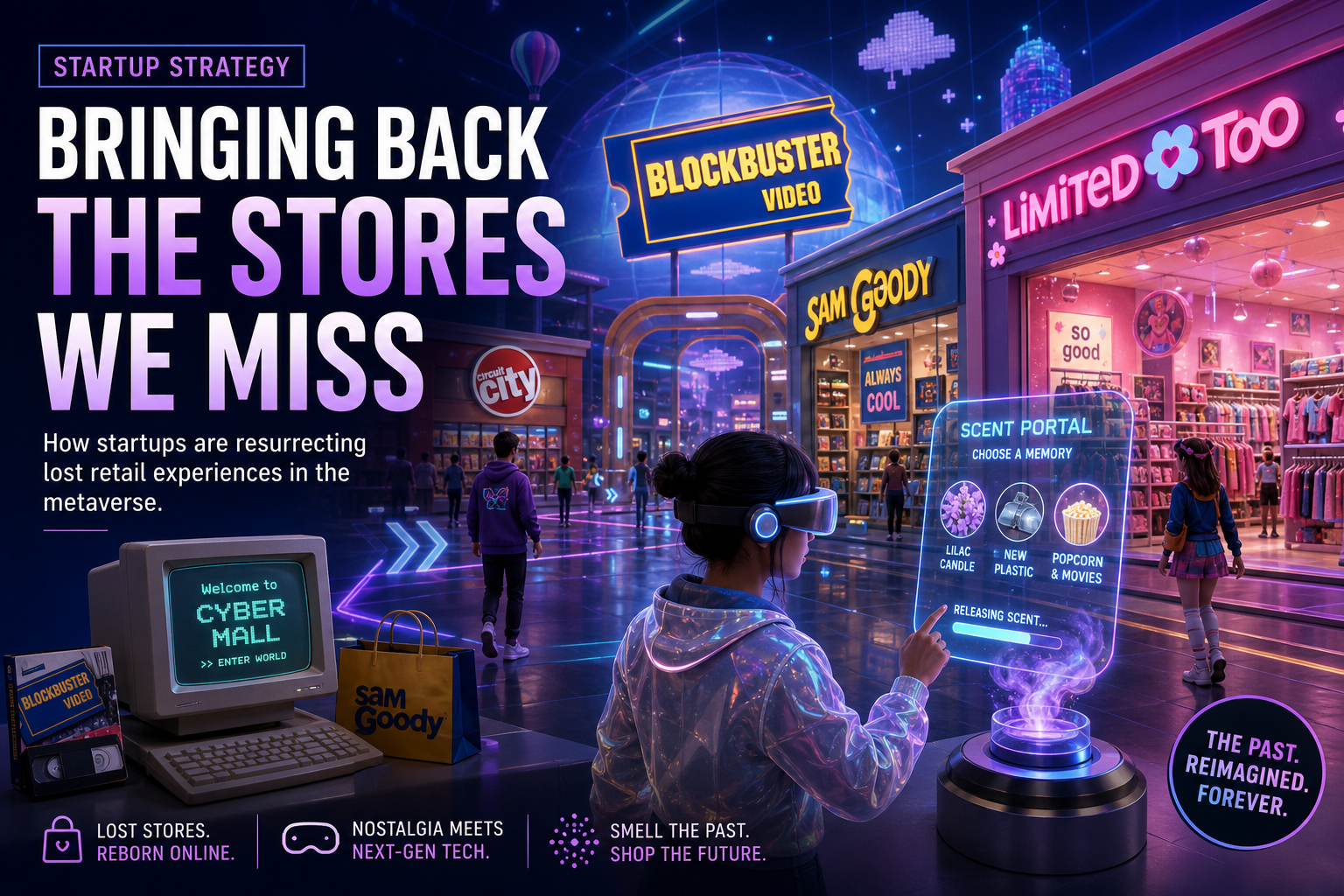
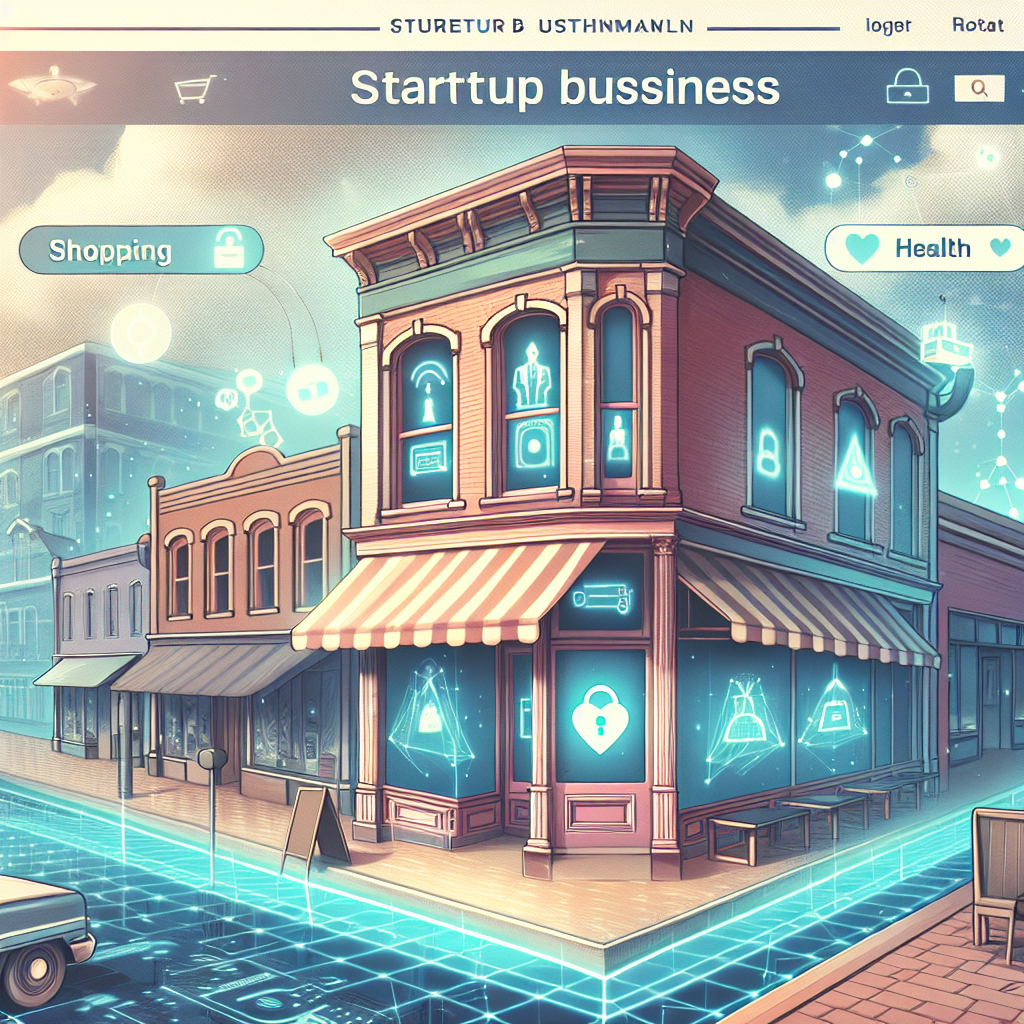
In a move that leaves many scratching their heads, a nascent startup, MetaverseRevive, announced it has successfully raised ₩50 billion in Series A funding to revive long-forgotten storefronts in a virtual reality setting. The company claims to blend nostalgic retail experiences with cutting-edge real-time health anomaly detection technology. Because who doesn’t want to shop for vintage shoes while simultaneously monitoring their blood pressure?
Virtual Shopping Meets Virtual Health Monitoring
MetaverseRevive’s ambition is simple, yet profoundly baffling: to recreate closed retail stores in a digital realm, allowing users to relive their shopping nostalgia while simultaneously being warned of any alarming spikes in their heart rates. CEO Emily Cartwright stated, “Our goal is to make shopping an all-encompassing experience. Why should consumers just experience retail through the lenses of economics when they can simultaneously worry about their well-being?”
Market Context: A Risky Bet on the Digital Frontier
The investment comes at a time when the metaverse has been described as a digital Wild West, with estimates suggesting the virtual reality market could hit $800 billion by 2024. However, skepticism looms large. According to David Strickland, a market analyst at Blockchain Insights, “Investing in a startup that combines two such disparate concepts is like looking for a needle in a haystack while blindfolded. It’s either genius or madness.”
Moreover, a report from TechResearch indicates that while health monitoring technology is expected to grow at a compound annual growth rate (CAGR) of 29%, the virtual shopping sector remains a largely uncharted territory, with consumer interest fading faster than last season's fashion trends.
The Risk Factor: Ghosts of Startups Past
As with any innovative venture, risks abound. While investors may be intrigued by the $50 billion funding round, the ghost of failed startups lingers in the background. The 2022 collapse of several augmented reality retail experiences serves as a cautionary tale; many of these companies relied heavily on hype rather than sustainable business models.
“There’s always the chance that MetaverseRevive could join the ranks of the dearly departed. Virtual reality is not the same as real engagement, and nostalgia can only take you so far,” warned Julia Farnsworth, a venture capitalist and occasional ghost story aficionado.
Contrarian Perspectives: Not Everyone Is Sold
Not everyone is on board with the metaverse gold rush. Critics argue that the idea of reviving forgotten shops in a digital universe is a misguided attempt to romanticize commerce that has permanently moved on. “Shopping nostalgia is a dangerous game; it suggests that we can recreate the past when, in reality, the future is about convenience and efficiency,” remarked retail analyst Mark Simmons.
- Metaverse market projected to reach $800 billion by 2024
- Health tech sector expected to grow at a 29% CAGR
- ₩50 billion raised in Series A funding
The Takeaway: Is This the Future of Retail?
As MetaverseRevive prepares to plunge into the digital shopping abyss, the real question remains: will consumers flock to this virtual marketplace, or will it end up as just another ghost in the machine?
In an age where the lines between reality and digital experiences are increasingly blurred, one can only hope that the revival of past storefronts doesn’t leave investors with nothing but empty pockets and eerie echoes of what once was.
What's Your Reaction?
 Like
0
Like
0
 Dislike
0
Dislike
0
 Love
0
Love
0
 Funny
0
Funny
0
 Angry
0
Angry
0
 Sad
0
Sad
0
 Wow
0
Wow
0