

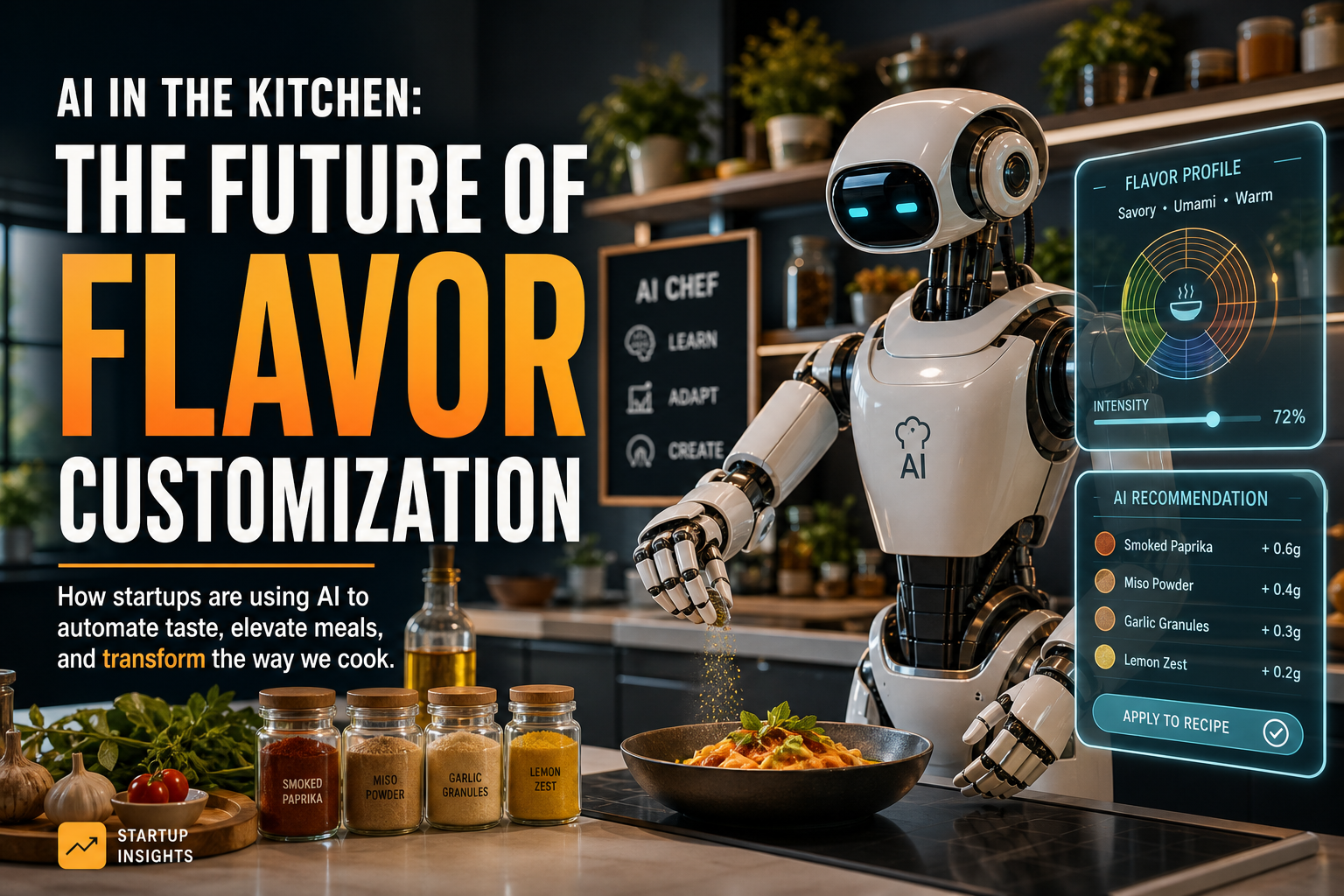



Investments in AI-Driven Tools for Genomic Innovation: Analyzing Market Trends and Risks
By Startup Korea Research Desk | May 14, 2026 The biotechnology sector is experiencing a significant transformation, particularly in the realm of gene editing and genomic technologies. Recent investments in AI-powered tools designed to enhance c...


By Startup Korea Research Desk | May 14, 2026
The biotechnology sector is experiencing a significant transformation, particularly in the realm of gene editing and genomic technologies. Recent investments in AI-powered tools designed to enhance communication and operational efficiency within this field indicate a growing confidence among investors regarding the future of genomic innovation. This analysis explores the current market dynamics, the potential of AI applications in biotechnology, and the associated risks that investors and founders must navigate.
Market Overview: The Rise of Gene Editing Technologies
The global gene editing market is projected to reach approximately $7.4 billion by 2027, driven by advancements in CRISPR technology, increased funding, and a heightened focus on personalized medicine. In the past year alone, over $3 billion has been funneled into gene editing initiatives, reflecting a robust interest from venture capitalists and institutional investors. This influx of capital is indicative of a broader trend where biotechnology is increasingly viewed as a viable and lucrative investment opportunity.
The Role of AI in Biotechnology
Artificial intelligence is poised to play a transformative role in the biotechnology sector, particularly in streamlining processes and enhancing decision-making capabilities. Startups are leveraging AI to develop tools that not only improve the efficiency of gene editing but also facilitate better communication between founders and investors. By automating aspects of investor presentations, these tools aim to minimize human error and enhance the overall quality of interactions.
Investment Trends and Opportunities
- Increased AI Investment: Investment in AI technologies within the biotechnology sector has surged by 45% since 2023, highlighting a growing recognition of AI's potential to drive innovation.
- Dual-Function Tools: Companies are emerging that offer platforms combining investor communication tools with gene editing automation, creating a unique value proposition that appeals to both investors and biotech firms.
- Focus on Personalized Medicine: As the demand for personalized medicine grows, the need for efficient gene editing solutions becomes more pronounced, further driving investment in this area.
Challenges and Risks in the Market
Despite the promising landscape, several challenges and risks accompany the rapid growth of AI-driven genomic tools. Investors must conduct thorough due diligence to mitigate potential pitfalls:
- Market Saturation: As more startups enter the gene editing space, the market may become saturated, leading to increased competition and potentially diminishing returns for investors.
- Technological Uncertainty: The integration of AI in biotechnology is still in its early stages, and the long-term effectiveness and reliability of these tools remain to be fully validated.
- Regulatory Hurdles: The biotechnology sector is heavily regulated, and navigating the complex regulatory landscape can pose significant challenges for startups, impacting their ability to scale and attract investment.
Strategic Considerations for Founders
For founders in the biotechnology space, developing a clear strategy that addresses both market opportunities and potential risks is crucial. Key considerations include:
- Building a Strong Value Proposition: Startups must clearly articulate how their AI-driven tools enhance the gene editing process and improve investor communications.
- Engaging with Investors: Establishing strong relationships with investors and maintaining transparent communication can foster trust and facilitate future funding rounds.
- Adapting to Regulatory Changes: Staying informed about regulatory developments and proactively addressing compliance issues can help mitigate risks associated with market entry and expansion.
Conclusion
The intersection of AI and biotechnology presents a compelling opportunity for innovation and investment. As the gene editing market continues to expand, the demand for tools that enhance communication and operational efficiency will likely grow. However, both investors and founders must remain vigilant in assessing the risks and challenges inherent in this rapidly evolving landscape.
Editor's note: This article provides original market analysis and is not intended as investment advice.
What's Your Reaction?
 Like
0
Like
0
 Dislike
0
Dislike
0
 Love
0
Love
0
 Funny
0
Funny
0
 Angry
0
Angry
0
 Sad
0
Sad
0
 Wow
0
Wow
0