


Innovative R&D Platforms: Navigating the Intersection of Food Technology and Consumer Experience
By Startup Korea Research Desk | Apr 05, 2026 In recent years, the food technology sector has witnessed a surge in innovation, particularly in the realm of personalized consumer experiences. A notable development in this space is the emergence o...


By Startup Korea Research Desk | Apr 05, 2026
In recent years, the food technology sector has witnessed a surge in innovation, particularly in the realm of personalized consumer experiences. A notable development in this space is the emergence of research-and-development platforms that leverage data analytics to enhance sensory experiences associated with food. This analysis explores the potential of such platforms, the market context, and the associated risks and opportunities for investors and founders.
Market Dynamics: The Rise of Personalized Food Experiences
The global food technology market is projected to reach $300 billion by 2025, driven by consumer demand for unique and personalized experiences. A significant portion of this growth is attributed to the increasing willingness of consumers to pay a premium for products that offer distinct sensory experiences. According to industry research, approximately 70% of consumers express interest in food products that provide enhanced sensory engagement, suggesting a robust market for innovations that go beyond traditional flavor profiles.
Leveraging Data for Innovation
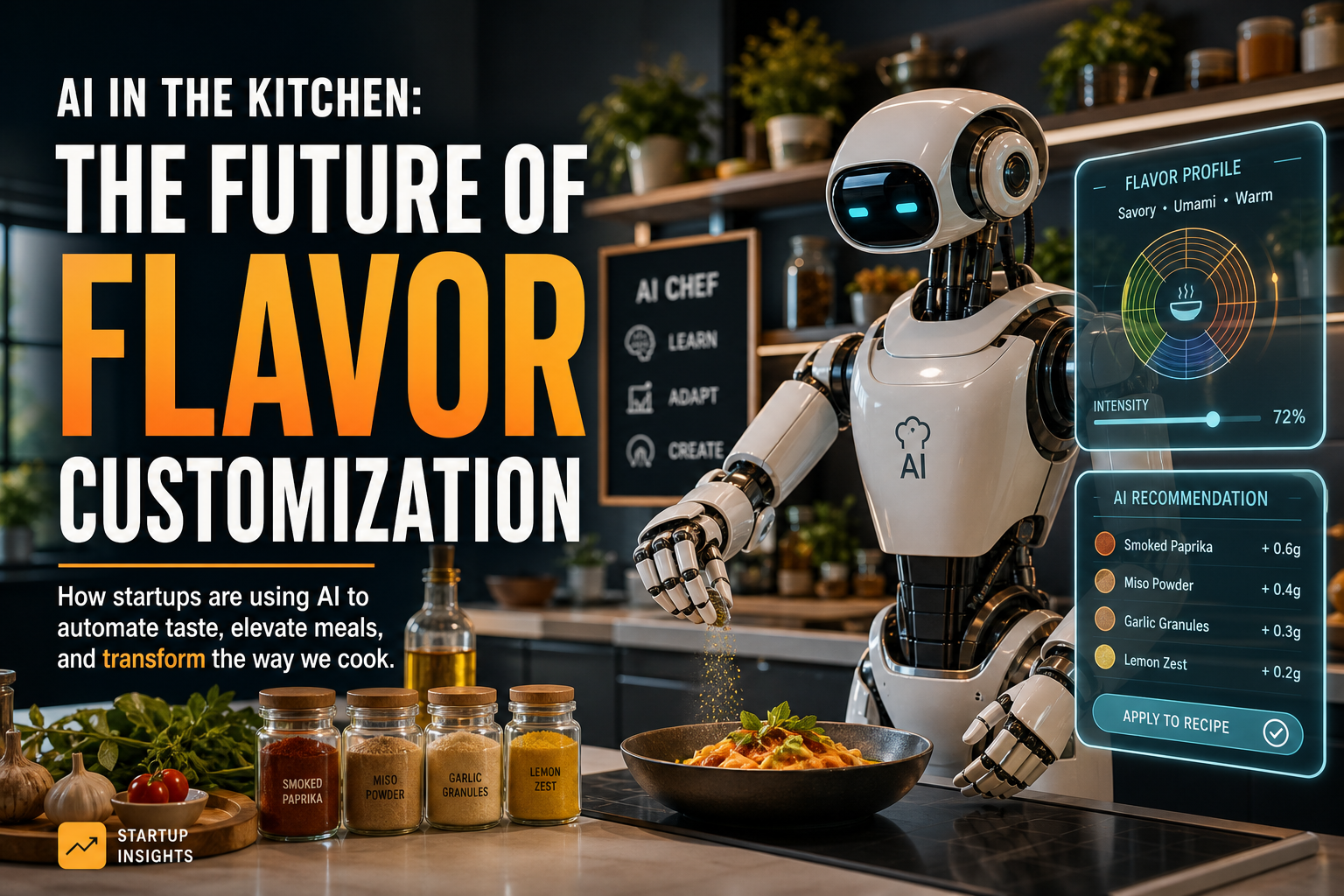
One of the key drivers of innovation in this sector is the ability to harness big data analytics. Platforms that utilize extensive datasets, such as eating broadcast metrics, are emerging as valuable tools for understanding consumer preferences. By analyzing this data, companies can create products that not only cater to taste but also enhance the olfactory experience of food consumption. This dual approach positions businesses to meet the evolving expectations of consumers who seek more immersive dining experiences.
Challenges and Adoption Risks
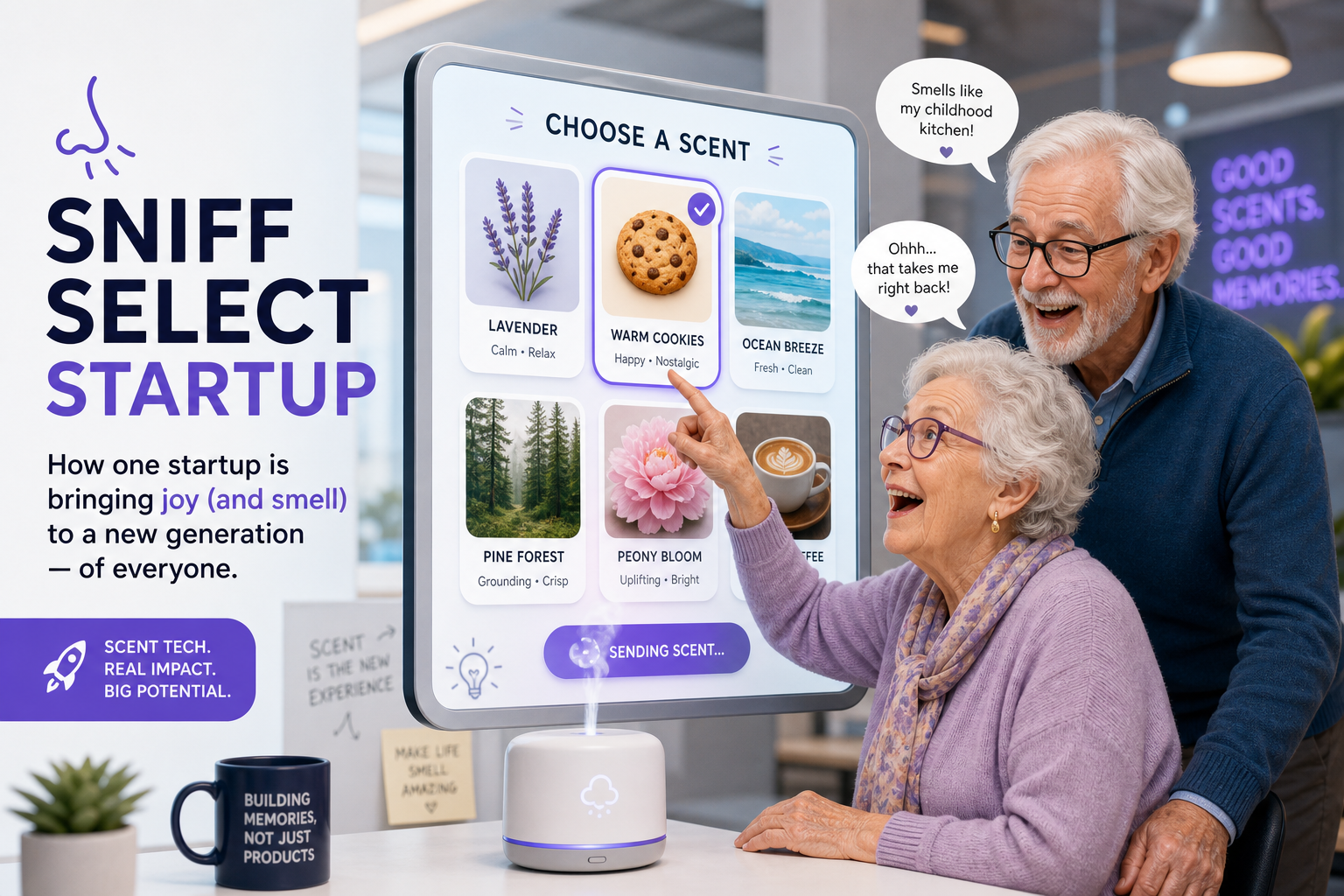
Despite the promising potential of these innovative platforms, there are inherent risks associated with consumer adoption. While the novelty of scent-enhanced dining may attract initial interest, there is a question of whether this trend will sustain long-term consumer engagement. Market analysts caution that the initial excitement could diminish if consumers do not find tangible benefits in their dining experiences. Therefore, thorough market research and consumer testing are essential to gauge the viability of such innovations.
Investor Diligence: Assessing the Viability of New Ventures
For investors, the decision to support emerging food technology platforms requires careful consideration. While the initial investment signals a growing appetite for innovative approaches, it is crucial to evaluate the long-term sustainability of the business model. Investors should conduct due diligence to assess factors such as market readiness, competitive landscape, and potential barriers to entry. Understanding consumer behavior and preferences will also play a critical role in determining the success of these ventures.
Strategic Considerations for Founders
For founders entering the food technology space, developing a clear strategy that addresses both innovation and consumer engagement is paramount. This includes not only creating products that enhance sensory experiences but also effectively communicating the value proposition to potential customers. Founders should prioritize building a strong brand narrative that resonates with consumers and emphasizes the unique benefits of their offerings.
Conclusion: Navigating the Future of Food Technology
The intersection of food technology and personalized consumer experiences presents both opportunities and challenges. As the market continues to evolve, companies that successfully leverage data analytics to enhance sensory experiences may find themselves at the forefront of this burgeoning sector. However, the path to success will require a nuanced understanding of consumer preferences, diligent investor assessment, and strategic innovation.
Editor's note: This analysis is original market research and does not constitute investment advice.
What's Your Reaction?
 Like
0
Like
0
 Dislike
0
Dislike
0
 Love
0
Love
0
 Funny
0
Funny
0
 Angry
0
Angry
0
 Sad
0
Sad
0
 Wow
0
Wow
0