


Innovative Approaches to Water Scarcity: The Intersection of Fintech and Sustainability
Innovative Approaches to Water Scarcity: The Intersection of Fintech and Sustainability By Startup Korea Research Desk | May 07, 2026 As global water scarcity escalates to critical levels, innovative solutions are emerging from various sectors,...

Innovative Approaches to Water Scarcity: The Intersection of Fintech and Sustainability
By Startup Korea Research Desk | May 07, 2026
As global water scarcity escalates to critical levels, innovative solutions are emerging from various sectors, including fintech. The increasing demand for sustainable practices has prompted startups to explore unique business models that address both environmental challenges and consumer needs. This analysis delves into the current trends in the market, the potential for technology integration, and the associated risks for investors and founders.
The Growing Concern of Water Scarcity
According to recent studies, approximately 2.3 billion people are projected to face severe water scarcity by 2025. This alarming statistic highlights the urgent need for effective solutions to manage water resources. As a result, the sustainable technology market is expected to reach $114 billion by 2027, presenting significant opportunities for startups that can innovate within this space.
Fintech's Role in Addressing Water Issues
Fintech companies are uniquely positioned to leverage technology in addressing water scarcity. By integrating financial services with sustainability initiatives, these startups can create systems that promote efficient water usage and conservation. For instance, some companies are exploring the use of data analytics and artificial intelligence to provide consumers with insights into their water consumption patterns, thereby encouraging more responsible usage.
Innovative Business Models
Startups in this sector are experimenting with various business models that combine technology and sustainability. One emerging approach involves the use of emotional feedback technology, which aims to enhance user engagement by personalizing the experience based on emotional responses. This model seeks to transform consumer behavior by making water conservation a more relatable and emotionally resonant endeavor.
- Personalized Engagement: By utilizing emotional recognition technology, companies can tailor their messaging and recommendations to individual users, potentially increasing the effectiveness of conservation efforts.
- Subscription Services: Some startups are considering subscription models that provide ongoing support and resources for consumers looking to improve their water usage.
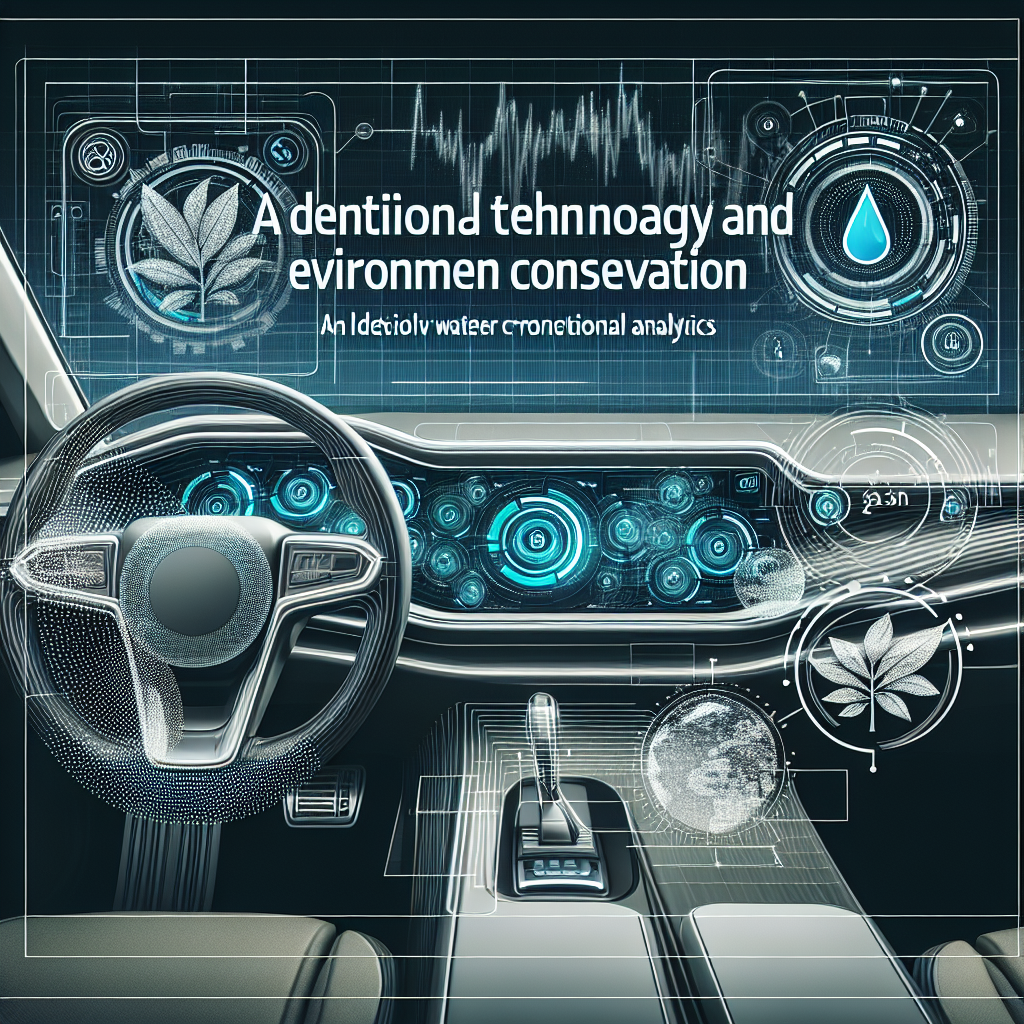
- Partnerships with Automotive Technology: Collaborations with automotive manufacturers could lead to the integration of water conservation tools directly into vehicles, creating a seamless user experience.
Market Adoption Risks
While the potential for innovation in this space is significant, several risks must be considered. The adoption of new technologies often faces hurdles, including consumer skepticism and the challenge of demonstrating tangible benefits. Additionally, the market is becoming increasingly competitive, with numerous startups vying for attention and investment. As such, it is crucial for founders to conduct thorough market research and understand consumer needs before launching new products.
Investor Diligence
For investors, the key to success lies in diligent evaluation of startups within the sustainable technology sector. This includes assessing the viability of the business model, the scalability of the technology, and the team's ability to execute their vision. Investors should also consider the regulatory landscape, as water management is often subject to stringent regulations that can impact business operations.
Strategic Considerations for Founders
Founders looking to enter the fintech and sustainability space should prioritize the following strategies:
- Focus on User-Centric Design: Products should be designed with the end-user in mind, ensuring that they are intuitive and provide clear value.
- Leverage Data Analytics: Utilizing data to inform product development and marketing strategies can enhance user engagement and drive adoption.
- Build Strategic Partnerships: Collaborating with established companies in related fields can provide valuable resources and enhance credibility.
Conclusion
The intersection of fintech and sustainability presents a promising avenue for innovation in addressing water scarcity. As startups explore unique business models and technologies, they must remain aware of the challenges and risks associated with market adoption. By focusing on user engagement, leveraging data, and building strategic partnerships, founders can position themselves for success in this evolving landscape.
Editor's note: This analysis is original market research and does not constitute investment advice.
What's Your Reaction?
 Like
0
Like
0
 Dislike
0
Dislike
0
 Love
0
Love
0
 Funny
0
Funny
0
 Angry
0
Angry
0
 Sad
0
Sad
0
 Wow
0
Wow
0