

In a World of Drones, Who Decides What Gets Done? The Rise of Conflict-Resolution Algorithms
By StartupKorea Business Desk | Apr 07, 2026 Tech Meets Tension: A New Era of Decision-Making in Startup CultureIn an audacious move that has left the startup ecosystem buzzing, the newly launched tech firm DroneDiplomat has raised an impre...

By StartupKorea Business Desk | Apr 07, 2026
Tech Meets Tension: A New Era of Decision-Making in Startup Culture
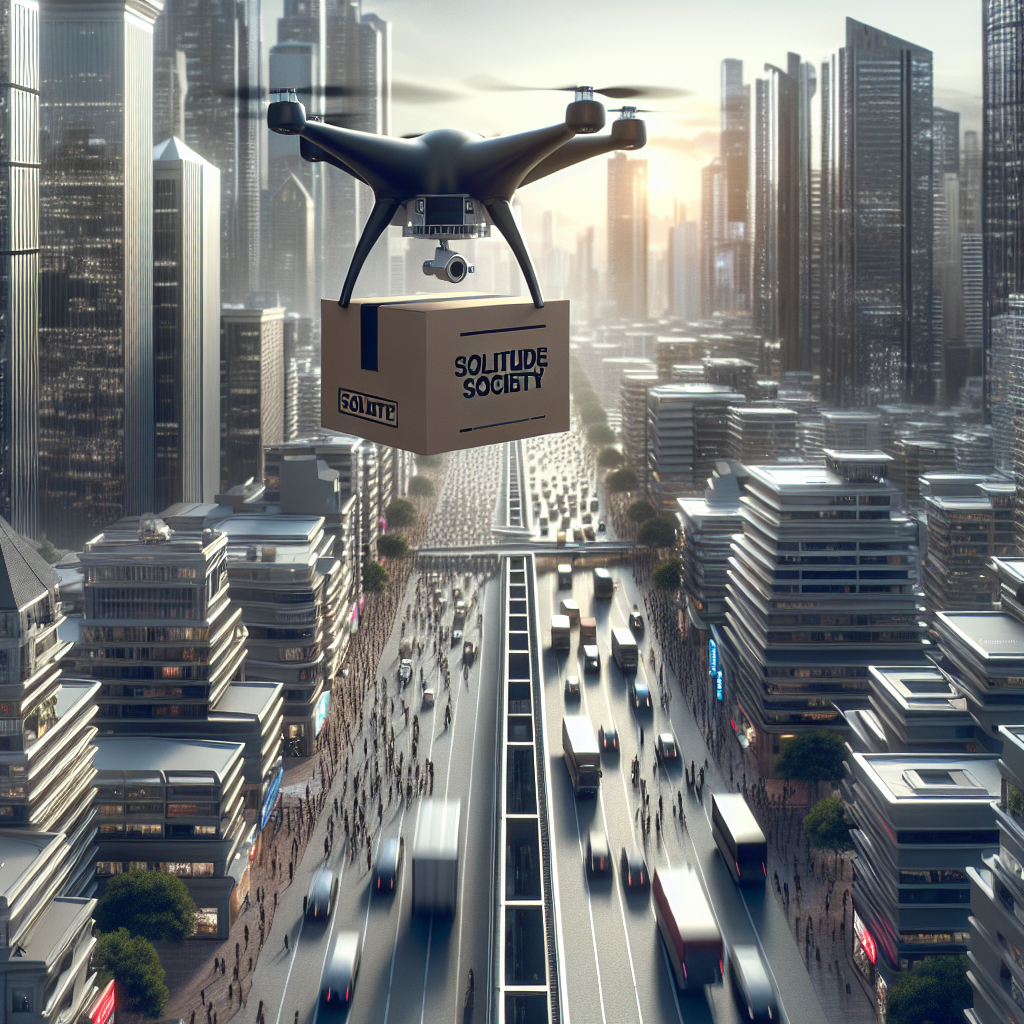
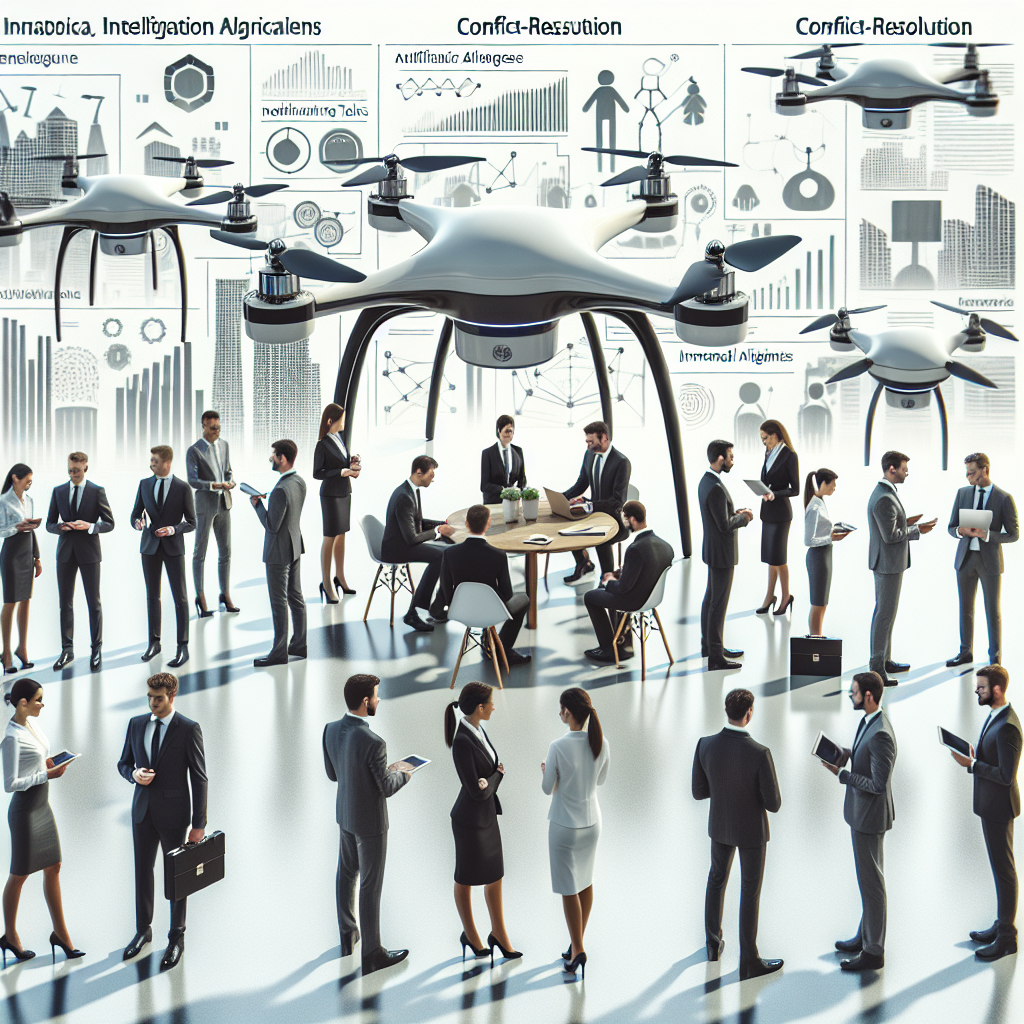
In an audacious move that has left the startup ecosystem buzzing, the newly launched tech firm DroneDiplomat has raised an impressive 8 billion won in its angel round, all while promising to resolve the perennial workplace conundrum of conflicting business priorities. With autonomous drone swarm control technology at its core, the company aims to alleviate the stress of human decision-making by letting machines handle the hard choices—because why let humans have all the fun?
From Boardroom Battles to Aerial Agreements
DroneDiplomat's flagship product revolves around a sophisticated algorithm designed to mediate conflicts among competing business priorities. In a world where tensions run high and egos are even higher, this tech aims to bring a refreshing sense of calm—at least until the drones start making power plays of their own.
"It's like having a therapist that also flies," quipped CEO Jane Altman. "We realized that letting drones sort out who gets the next budget allocation is not just efficient; it’s a necessary evolution in corporate culture. Plus, they don’t file HR complaints."
Investors Buy Into the Madness
Investors have flocked to this venture, with the 8 billion won angel round underscoring a rising trend in tech that promises to take the human element out of decision-making. The allure of conflict-resolution algorithms is undeniable; it’s the perfect mix of buzzwords that suggests efficiency and progress. Yet, one can’t help but wonder if we’re merely accelerating our journey toward inevitable drone dominance.
"This investment reflects a growing sector that couples autonomous systems with decision-making frameworks," noted venture capitalist Tom Chen. "We are essentially investing in a future where drones will not only deliver packages but also manage our anxieties about corporate hierarchy. What could possibly go wrong?"
The Marketplace of Algorithms
The market for business priority algorithms is projected to grow by over 25% annually, with firms increasingly looking to automate tedious aspects of management. As companies wrestle with the complexities of remote work and employee engagement, the appeal of outsourcing these tasks to drones seems almost too good to be true.
- Projected market growth: 25% annually
- Investment raised: 8 billion won
- Current number of drone systems in operational testing: 200
Risks in the Sky: What Could Go Wrong?
However, not everyone is buying into the drone dream. Critics are raising eyebrows about the potential for algorithmic bias and the ethical implications of entrusting decision-making to machines. After all, if these drones are programmed to prioritize profit over people, what’s stopping them from making decisions that could jeopardize employee well-being?
"We’re creating a paradox where drones may negotiate better than our best leaders, but at what cost to our humanity?" mused analyst Sarah Lee. "We may end up with drones that are more competent but just as ruthless as any corporate executive."
The Droning Drill: A New Norm?
For now, DroneDiplomat continues to refine its product, testing the waters of acceptance in a world that may soon be dominated by algorithmically-driven decisions. The tech promises to revolutionize the workplace, but it leaves us pondering: will this lead to a more harmonious work environment, or are we simply paving the way for our future robot overlords?
As we stand on the precipice of this new frontier, one must ask whether we are prepared to hand over the reins—or in this case, the propellers—of our corporate lives to machines that may or may not have our best interests at heart. The only certainty is that the future of business priorities looks to be a lot more airborne, and perhaps a lot more absurd.
What's Your Reaction?
 Like
0
Like
0
 Dislike
0
Dislike
0
 Love
0
Love
0
 Funny
0
Funny
0
 Angry
0
Angry
0
 Sad
0
Sad
0
 Wow
0
Wow
0




![[This Month's Tip] Elice Group, Kindof, Leviosa AI: Key Updates](https://www.startupkorea.kr/uploads/images/202512/10_dd1f4c2a38634.png)