

Exploring the Market Potential of Robotic Companionship: Insights into a Growing Sector
Exploring the Market Potential of Robotic Companionship: Insights into a Growing Sector By Startup Korea Research Desk | May 09, 2026 The intersection of technology and companionship has given rise to innovative solutions aimed at addressing the...

Exploring the Market Potential of Robotic Companionship: Insights into a Growing Sector
By Startup Korea Research Desk | May 09, 2026
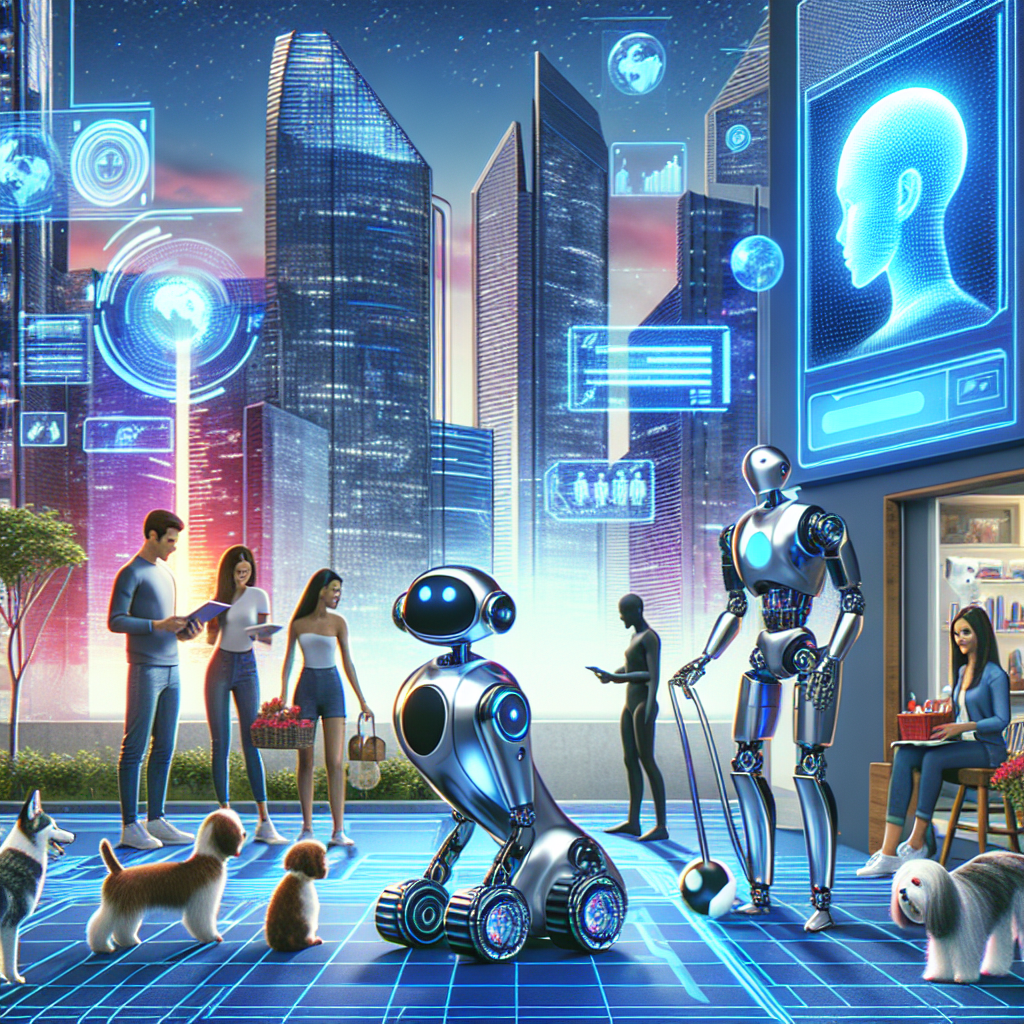
The intersection of technology and companionship has given rise to innovative solutions aimed at addressing the emotional needs of individuals in an increasingly digital world. One notable trend is the emergence of robotic pets, which are designed to provide companionship without the traditional responsibilities associated with pet ownership. This analysis delves into the market dynamics, business models, and potential risks associated with robotic companionship.
Market Dynamics and Growth Potential
The global pet technology market is experiencing significant growth, with projections estimating it will reach $25 billion by 2028. Within this landscape, robotic pets are poised to capture a substantial share, driven by a growing consumer preference for low-maintenance companionship options. Analysts predict a robust annual growth rate of approximately 20% in this sector, reflecting a shift in consumer attitudes towards traditional pet ownership.
As urbanization continues to rise and lifestyles become more fast-paced, many individuals find it challenging to commit to the responsibilities of caring for a living pet. Robotic pets offer an appealing alternative, providing companionship without the associated costs of veterinary care, feeding, and grooming. This trend is particularly relevant for urban dwellers, seniors, and those with busy schedules who may seek companionship but lack the time or resources for traditional pet care.
Business Models and Innovation
Startups in the robotic pet sector are leveraging advanced technologies, such as artificial intelligence and machine learning, to create products that can adapt to user preferences and behaviors. Companies are developing proprietary algorithms that match users with robotic companions based on various criteria, including desired levels of interaction and emotional support needs.
- Subscription Services: Some companies are exploring subscription-based models that provide ongoing software updates, maintenance, and new features for robotic pets, ensuring that the products remain relevant and engaging over time.
- Customization Options: Personalization is another key aspect, with offerings that allow users to customize their robotic companions' appearances and behaviors, enhancing the emotional connection between the user and the device.
- Integration with Smart Home Technology: As smart home technology becomes more prevalent, integrating robotic pets with existing home automation systems can create a seamless user experience, further driving adoption.
Investor Interest and Market Viability
The significant investment interest in robotic companionship startups indicates a belief in the long-term viability of this market. Venture capitalists are increasingly drawn to companies that demonstrate innovative approaches to emotional support and companionship through technology. The potential for high returns, coupled with a cultural shift towards acceptance of robotic companions, makes this sector an attractive opportunity for investors.
However, due diligence is essential for investors considering entry into this market. Understanding the competitive landscape, evaluating the technological capabilities of startups, and assessing the scalability of their business models are critical steps in the investment process. Furthermore, investors must remain cognizant of the ethical implications and societal impacts of promoting emotional connections with machines.
Challenges and Adoption Risks
Despite the promising outlook, the adoption of robotic pets is not without challenges. Critics have raised concerns about the potential for emotional disconnection in society as individuals turn to machines for companionship. The ability of robotic pets to genuinely fulfill emotional needs remains a topic of debate, and companies must navigate these concerns carefully.
Moreover, the technology behind robotic pets must continually evolve to meet consumer expectations. Issues such as software reliability, security, and user experience play a crucial role in determining the success of these products. Companies must invest in research and development to ensure their offerings remain competitive and relevant in a rapidly changing market.
Conclusion
The market for robotic companionship is at a pivotal juncture, with significant growth potential driven by changing consumer preferences and technological advancements. As startups continue to innovate and refine their offerings, the landscape will likely evolve, presenting both opportunities and challenges for investors and consumers alike.
Editor's note: This analysis is original market research and does not constitute investment advice.
What's Your Reaction?
 Like
0
Like
0
 Dislike
0
Dislike
0
 Love
0
Love
0
 Funny
0
Funny
0
 Angry
0
Angry
0
 Sad
0
Sad
0
 Wow
0
Wow
0