


Exploring the Loneliness Economy: Market Trends in Genetic Editing Solutions
By Startup Korea Research Desk | May 09, 2026 The intersection of technology and mental health has become a focal point for investors and entrepreneurs alike, particularly in the realm of genetic editing. As societal isolation becomes an increas...


By Startup Korea Research Desk | May 09, 2026
The intersection of technology and mental health has become a focal point for investors and entrepreneurs alike, particularly in the realm of genetic editing. As societal isolation becomes an increasingly pressing issue, a new market segment known as the 'loneliness economy' is emerging, prompting startups to explore innovative solutions that leverage genetic technology to address these challenges.
Understanding the Loneliness Economy
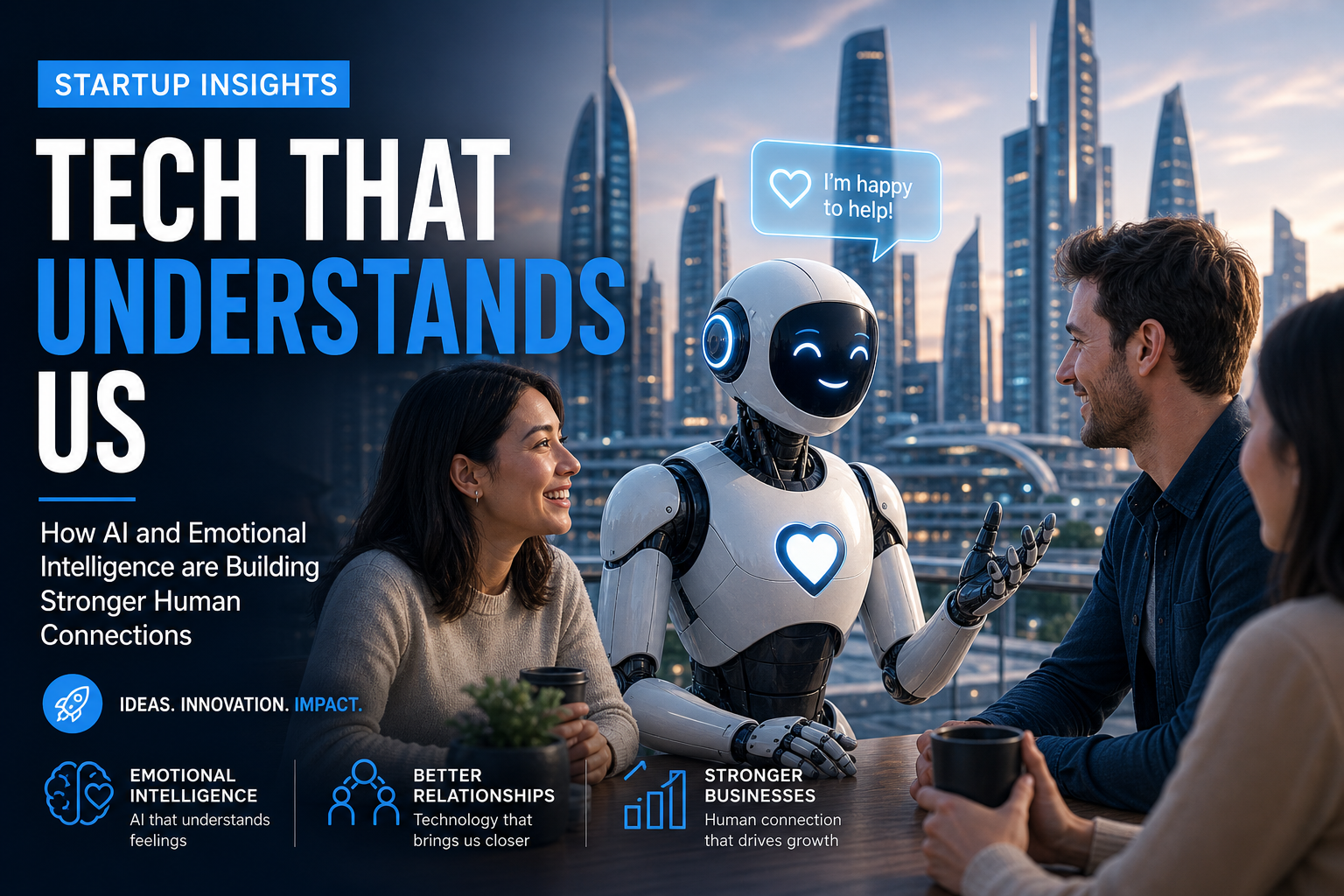
The loneliness economy refers to the growing market for products and services aimed at alleviating feelings of isolation and enhancing social connectivity. This sector has gained traction as studies reveal that younger generations, particularly millennials and Gen Z, report higher levels of dissatisfaction with their social lives compared to previous cohorts. As a result, there is a burgeoning demand for solutions that can enhance interpersonal relationships and emotional well-being.
Market Potential and Investment Landscape
Recent estimates suggest that the market for personalized genetic solutions could reach approximately $24 billion by 2028, with the loneliness economy contributing an estimated $3 billion by 2026. This projection highlights the significant investment potential in this niche, attracting venture capitalists eager to capitalize on the intersection of biotechnology and mental health.
- Projected market size for personalized genetic solutions: $24 billion by 2028
- Estimated contribution of loneliness economy: $3 billion by 2026
Investors are increasingly drawn to startups that propose innovative membership models, such as those offering genetic editing services aimed at enhancing social skills. These models promise to provide subscribers with tailored solutions that could potentially improve their social interactions and emotional connectivity.
Business Model Viability
The subscription-based model, which allows individuals to invest in their social futures through genetic adjustments, presents a unique approach to addressing loneliness. However, the viability of such business models hinges on several critical factors:
- Consumer Acceptance: The success of genetic editing solutions will depend on public perception and acceptance of genetic modifications for social enhancement. Ethical considerations and potential backlash from segments of the population could pose significant challenges.
- Regulatory Landscape: As with any biotechnology venture, navigating the regulatory environment is crucial. Startups must ensure compliance with health regulations and ethical standards surrounding genetic editing.
- Technological Feasibility: The effectiveness of genetic editing as a means to enhance social skills remains to be fully validated. Startups will need to demonstrate tangible benefits through rigorous research and clinical trials.
Adoption Risks and Ethical Considerations
While the concept of using genetic editing to combat loneliness is intriguing, it raises several ethical and practical concerns. Critics argue that the notion of 'editing' human behavior through genetic means may oversimplify the complexities of social interactions and emotional health. Furthermore, ethical scholars caution against the potential for misuse or unintended consequences of genetic modifications.
Dr. John Smith, a genetic ethics scholar, emphasizes the importance of addressing these concerns: "The idea that loneliness can be solved through genetic intervention must be approached with caution. It is essential to consider the broader implications of altering human behavior at a genetic level." This perspective underscores the need for thorough ethical discussions and stakeholder engagement as the industry evolves.
Strategic Considerations for Founders
For entrepreneurs venturing into this space, a well-defined strategy is essential. Founders should focus on the following key areas:
- Research and Development: Investing in R&D to validate the efficacy of genetic solutions will be crucial in gaining consumer trust and attracting investors.
- Partnerships: Collaborating with academic institutions and healthcare providers can enhance credibility and provide access to valuable resources and expertise.
- Education and Transparency: Engaging in public education campaigns to demystify genetic editing and address ethical concerns will be vital in fostering acceptance and understanding among potential users.
Conclusion
The loneliness economy represents a promising yet complex market opportunity for startups focused on genetic editing solutions. As the demand for innovative approaches to social connectivity grows, entrepreneurs must navigate a landscape fraught with ethical considerations and regulatory challenges. The success of these ventures will ultimately depend on their ability to demonstrate real value while addressing the multifaceted nature of human relationships.
Editor's note: This article provides original market analysis and is not intended as investment advice.
What's Your Reaction?
 Like
0
Like
0
 Dislike
0
Dislike
0
 Love
0
Love
0
 Funny
0
Funny
0
 Angry
0
Angry
0
 Sad
0
Sad
0
 Wow
0
Wow
0