

Exploring the Intersection of Emotional Health and Retail Technology
By Startup Korea Research Desk | May 02, 2026 Understanding the Emotional Health Market The emotional health sector has seen significant growth in recent years, driven by a rising awareness of mental wellness and an increasing demand for innovat...

By Startup Korea Research Desk | May 02, 2026
Understanding the Emotional Health Market
The emotional health sector has seen significant growth in recent years, driven by a rising awareness of mental wellness and an increasing demand for innovative solutions. As consumers become more open about their emotional struggles, businesses are exploring new ways to address these needs through technology and retail. One notable trend is the emergence of products that combine emotional support with everyday consumer goods, such as snacks.
Innovative Business Models in Emotional Retail
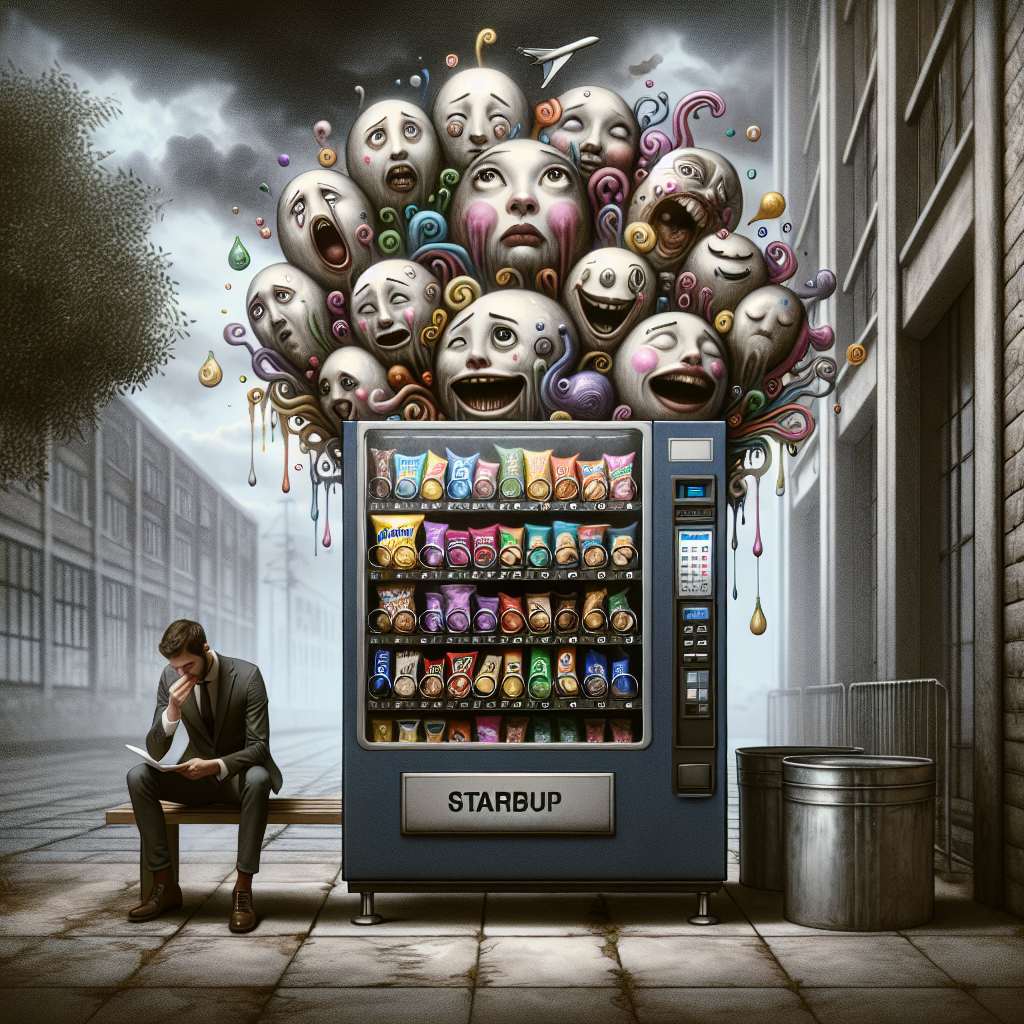
Recent developments in the market have introduced unique business models that aim to capitalize on emotional states. For instance, a startup has proposed a vending machine that dispenses snacks based on users' self-reported feelings of sadness. This concept leverages technology to create an interactive experience, where users engage with a digital interface that assesses their emotional state before granting access to comfort foods.
The Mechanism Behind Emotional Engagement
The vending machine's operational model relies on algorithms designed to evaluate users' emotional well-being. By identifying when individuals report feelings of sadness, the machine aims to provide a timely response in the form of comfort snacks. This approach not only addresses immediate emotional needs but also positions the product within a broader context of emotional wellness.
Market Potential and Consumer Demographics
The mental wellness market is projected to reach substantial figures, with estimates suggesting it could surpass $120 billion by 2025. This growth is fueled by advancements in technology that cater to emotional health, indicating a ripe opportunity for businesses that can effectively merge food and emotional support. Notably, research indicates that a significant portion of the adult population experiences feelings of sadness regularly, suggesting a viable target market for products designed to address these emotions.
Investor Interest and Market Viability
The intersection of food and emotional health has attracted considerable investor interest. The potential for profitability in this niche market is underscored by the increasing focus on mental wellness among consumers. However, investors must conduct thorough due diligence to assess the sustainability of such business models. Factors to consider include consumer acceptance, ethical implications, and the long-term viability of products that rely on emotional engagement.
Challenges and Ethical Considerations
While the concept of vending machines that respond to emotional states presents intriguing opportunities, it also raises important ethical questions. Critics argue that profiting from individuals' vulnerabilities could be seen as exploitative. This perspective highlights the need for businesses to navigate the delicate balance between providing support and maintaining ethical integrity.
Addressing Consumer Concerns
To succeed in this emerging market, companies must prioritize transparency and ethical practices. Engaging with mental health professionals and incorporating their insights into product development can enhance credibility and foster trust among consumers. Additionally, businesses should consider implementing measures that ensure their offerings genuinely contribute to emotional well-being rather than merely capitalizing on distress.
Strategic Recommendations for Founders
For entrepreneurs looking to enter the emotional health and retail space, several strategic considerations are essential:
- Market Research: Conduct comprehensive research to understand consumer needs and preferences related to emotional wellness.
- Ethical Framework: Develop a clear ethical framework that guides product development and marketing strategies.
- Partnerships: Collaborate with mental health professionals to ensure products are beneficial and supportive.
- Consumer Engagement: Foster open communication with consumers to build trust and gather feedback for continuous improvement.
- Adaptability: Stay agile and responsive to changing market dynamics and consumer sentiments.
Conclusion
The fusion of emotional health and retail technology presents a compelling opportunity for innovation and growth. As the market evolves, businesses that prioritize ethical considerations and consumer well-being will likely find success. However, navigating the complexities of this space requires a thoughtful approach that balances profitability with social responsibility.
Editor's note: This analysis is original market analysis and not investment advice.
What's Your Reaction?
 Like
0
Like
0
 Dislike
0
Dislike
0
 Love
0
Love
0
 Funny
0
Funny
0
 Angry
0
Angry
0
 Sad
0
Sad
0
 Wow
0
Wow
0