


Emerging Trends in AI and Wearable Technology: Insights from Recent Funding Activity
By Startup Korea Research Desk | Apr 29, 2026 The intersection of artificial intelligence (AI) and wearable technology is becoming increasingly significant in the startup ecosystem, particularly as these innovations address complex consumer need...


By Startup Korea Research Desk | Apr 29, 2026
The intersection of artificial intelligence (AI) and wearable technology is becoming increasingly significant in the startup ecosystem, particularly as these innovations address complex consumer needs in the rental market. Recent funding activities indicate a growing investor interest in startups that leverage AI to enhance communication and improve living conditions for tenants.
Market Dynamics: The Need for Enhanced Communication
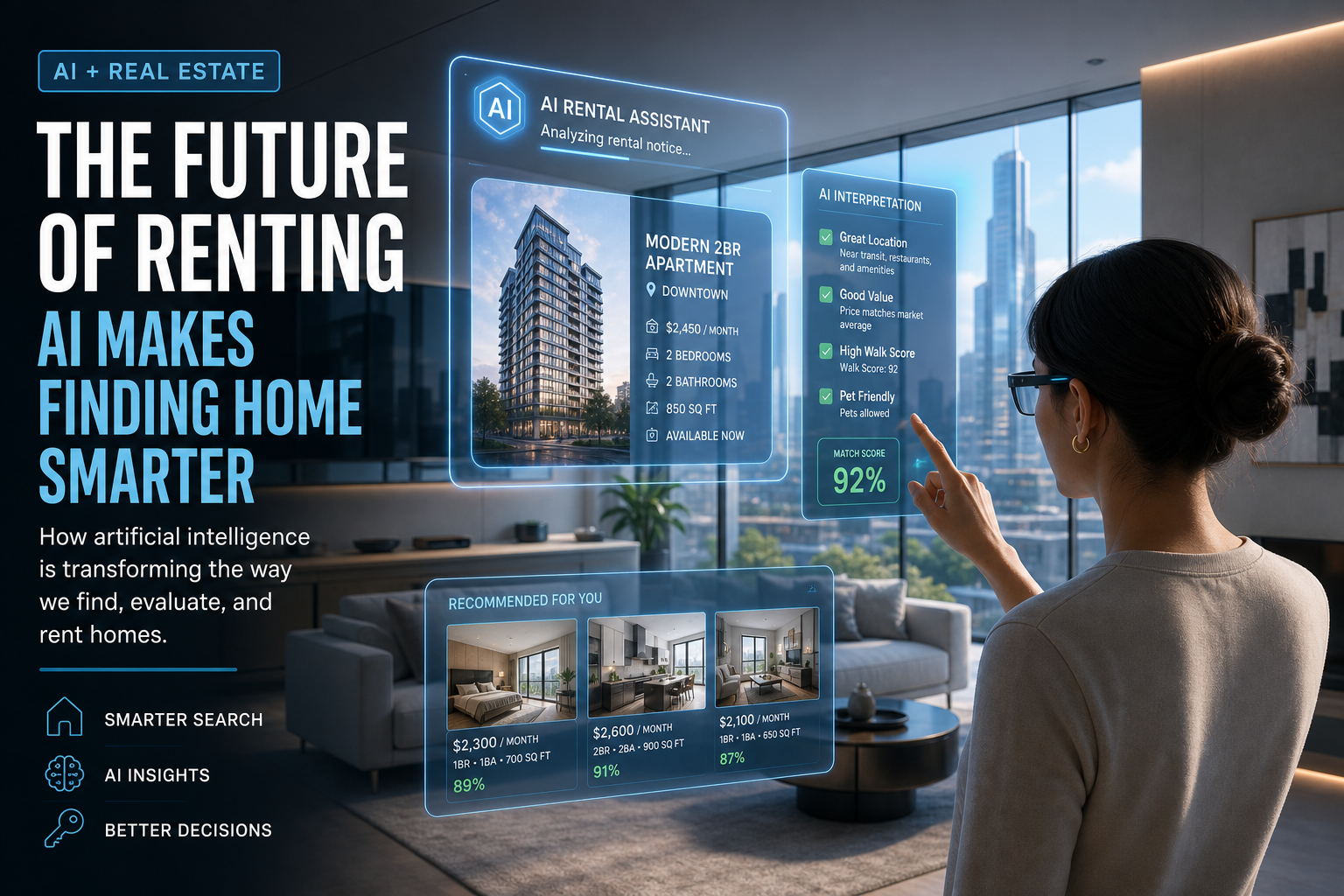
As urban living becomes more prevalent, the rental market faces challenges related to communication between landlords and tenants. Traditional methods of conveying important information, such as maintenance notices or policy updates, often rely on complex language that can lead to misunderstandings. This has created a niche for AI solutions that can simplify and clarify these communications.
The emergence of AI technologies designed to interpret and decode apartment notices reflects a broader trend in the market. Startups are increasingly focusing on creating tools that not only facilitate better understanding but also enhance tenant satisfaction. The potential for AI to predict tenant sentiments based on communication patterns represents an innovative approach to addressing frustrations that often arise in landlord-tenant interactions.
Investment Trends: A Surge in Funding
Recent funding rounds, such as a notable Series A that raised 500 billion won, highlight the confidence investors have in the viability of these technologies. The substantial capital influx is indicative of a belief in the long-term growth potential of AI-driven solutions in the rental sector. With projections suggesting a market growth rate of 30% year-on-year, the opportunity for startups to capture significant market share is substantial.
Investors are increasingly diligent in their evaluations, seeking startups that not only demonstrate technological innovation but also possess a clear understanding of market needs. The ability to translate complex communication into easily digestible formats is seen as a key differentiator in a crowded market.
Business Model Viability: Addressing Consumer Pain Points
The business models emerging from these startups often focus on subscription services or one-time fees for access to AI tools. This approach allows for recurring revenue streams while providing tenants with valuable resources to navigate their living situations. Moreover, the integration of wearable technology, such as health monitoring devices, adds another layer of value by addressing tenant wellness in stressful environments.
Startups that combine AI with wearable technology are well-positioned to capitalize on the growing consumer demand for health and wellness solutions. For instance, a wearable device that monitors health metrics during landlord-tenant negotiations could provide users with critical insights into their stress levels, thereby enhancing their overall living experience.
Adoption Risks and Challenges
Despite the promising outlook, there are inherent risks associated with the adoption of these technologies. One significant challenge lies in the accuracy and reliability of AI interpretations. If the technology fails to adequately decode complex notices or misinterprets tenant sentiments, it could lead to further confusion and dissatisfaction among users.
Additionally, the integration of wearable technology into daily life raises privacy concerns. Consumers may be hesitant to adopt devices that monitor their health, particularly if they perceive potential risks related to data security. Startups must navigate these concerns carefully to build trust and encourage widespread adoption.
Strategic Considerations for Founders
For founders in this space, a clear strategy that addresses both technological development and consumer education is essential. Building partnerships with property management companies could enhance credibility and facilitate smoother implementation of AI tools in real-world settings. Furthermore, engaging in transparent communication about data usage and privacy can alleviate consumer concerns regarding wearable technology.
As the market evolves, founders should remain agile, adapting their offerings based on user feedback and emerging trends. Continuous innovation will be key to maintaining a competitive edge in a rapidly changing landscape.
Conclusion
The convergence of AI and wearable technology presents significant opportunities for startups targeting the rental market. As investors continue to show interest in these solutions, the potential for growth and innovation remains robust. However, addressing the challenges of adoption and ensuring the reliability of technology will be critical for long-term success.
Editor's note: This is original market analysis and not investment advice.
What's Your Reaction?
 Like
0
Like
0
 Dislike
0
Dislike
0
 Love
0
Love
0
 Funny
0
Funny
0
 Angry
0
Angry
0
 Sad
0
Sad
0
 Wow
0
Wow
0