


Can a Virtual Factory Save Our Oceans? Inside the Latest Metaverse Manufacturing SaaS Investment
By StartupKorea Business Desk | Mar 17, 2026 Can a Virtual Factory Save Our Oceans? Inside the Latest Metaverse Manufacturing SaaS InvestmentIn a world where reality is increasingly optional, a new startup has emerged to upend traditional m...

By StartupKorea Business Desk | Mar 17, 2026
Can a Virtual Factory Save Our Oceans? Inside the Latest Metaverse Manufacturing SaaS Investment
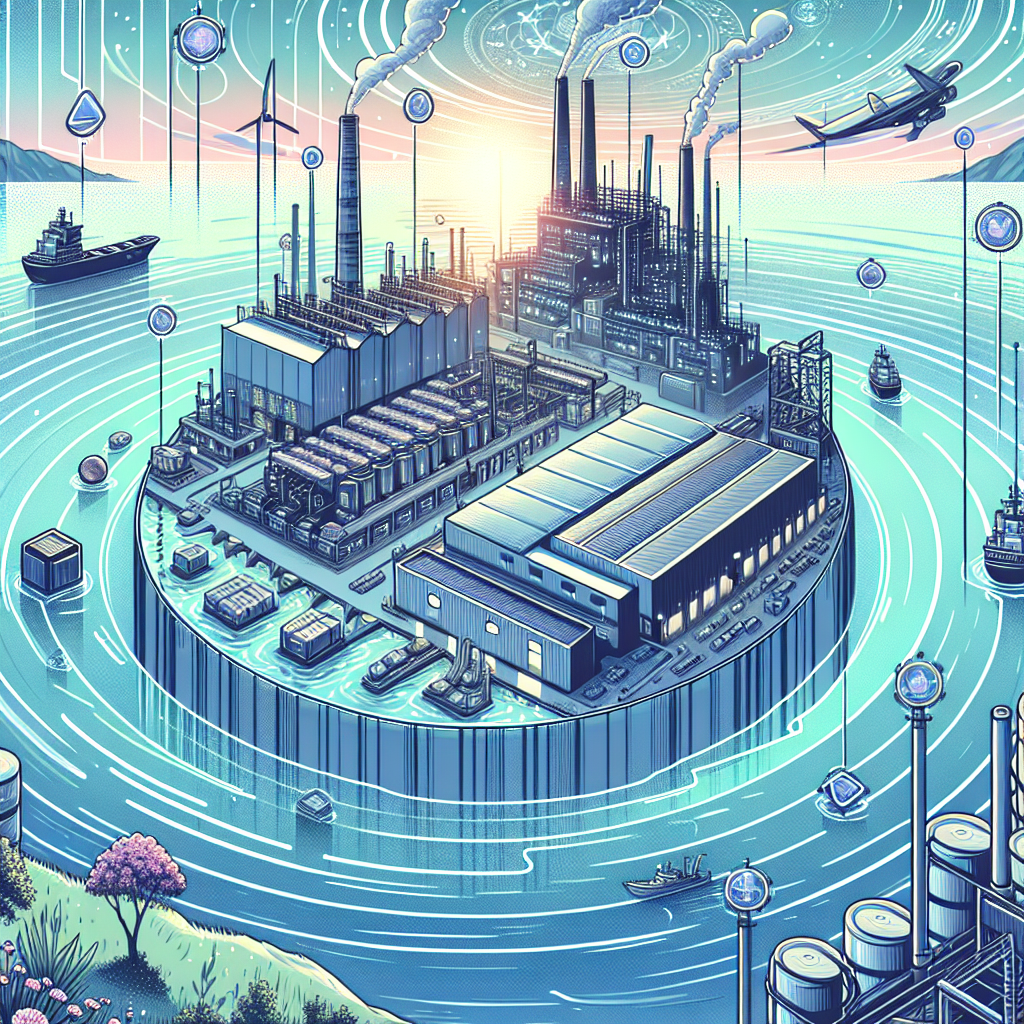
In a world where reality is increasingly optional, a new startup has emerged to upend traditional manufacturing by integrating metaverse technology with marine conservation efforts. OceanGuard Innovations, based in Silicon Valley, has secured a whopping $50 million in a Series B funding round led by AquaTech Ventures. The timing couldn’t be more ironic as climate change concerns bubble to the surface and industries scramble to digitize.
Manufacturing Reimagined: The Ocean Meets the Metaverse
Founded just two years ago, OceanGuard Innovations is positioning itself as a pioneer in metaverse manufacturing SaaS (Software as a Service). Their platform allows companies to design and prototype eco-friendly products entirely in a virtual oceanic environment. "We’re not just reducing carbon footprints; we’re designing them in virtual reality where they can swim with the fish, too," quipped CEO Jane Tidal.
Market analysts suggest that the global metaverse market is on track to reach $800 billion by 2024, while the ocean observation technology market could hit $5 billion within the next five years. That’s a lot of zeros for a startup that wants to save the planet one digital fish at a time.
Investors Dive In: Riding the Wave of Eco-Conscious Capital
Investors have been quick to jump on the bandwagon, eager to embrace a narrative that blends sustainability with the digital economy. "It’s a match made in a lab somewhere between a dolphin and a computer," said AquaTech Ventures’ managing partner, Mike Current. "We’re betting on a future where virtual reality meets environmental responsibility—a bold gamble, but one that could pay off in virtual gold."
However, not everyone is riding this wave of enthusiasm. Some industry analysts have raised eyebrows, pointing to the inherent risks in merging two notoriously volatile sectors. "There’s a fine line between innovation and absurdity," warned market analyst Rita Shore. "We’ve all seen bubbles burst in tech; let’s hope this one doesn’t take the oceans down with it."
The Absurdity of Combining Real and Virtual Worlds
While the concept of a metaverse manufacturing platform sounds like something out of a Silicon Valley fever dream, OceanGuard is pushing forth with a bold strategy designed to attract environmentally conscious brands. These brands can engage with their customers in a virtual setting, showcasing how their products are not just sustainable but also designed in a sea of floating coral reefs.
As absurd as it sounds, the tech promises to deliver real metrics. For example, OceanGuard claims users can reduce prototyping waste by up to 70% and improve time-to-market by 50% through entirely virtual processes. But does a virtual factory really contribute to a cleaner planet, or is it merely a shiny distraction?
Risks and the Counter-Narrative
Despite the alluring potential, critics argue the startup may be missing the broader picture. "Relying too heavily on digital solutions can lead to complacency in addressing real-world issues," asserted environmentalist and industry skeptic, Leo Wave. "While we’re busy designing virtual fish, let’s not forget that actual fish need clean waters to thrive."
Furthermore, there’s the risk of overselling the effectiveness of digital platforms in solving multi-faceted environmental crises. Can virtual prototypes truly compete with the painstaking, tangible efforts of conservationists battling pollution and climate change? Some experts remain skeptical.
Conclusion: A Metaverse Mirage or a Real Solution?
As OceanGuard Innovations prepares to roll out its platform, the industry watches with bated breath. Will this venture into the metaverse provide the breakthrough needed to save our oceans, or will it ultimately serve as a cautionary tale of misplaced tech optimism? One thing is clear: the line between innovation and farce is getting increasingly blurry.
- $50 million Series B funding round
- Global metaverse market expected to reach $800 billion by 2024
- Ocean observation technology market projected to hit $5 billion by 2028
- 70% reduction in prototyping waste, 50% faster time-to-market
What's Your Reaction?
 Like
0
Like
0
 Dislike
0
Dislike
0
 Love
0
Love
0
 Funny
0
Funny
0
 Angry
0
Angry
0
 Sad
0
Sad
0
 Wow
0
Wow
0