
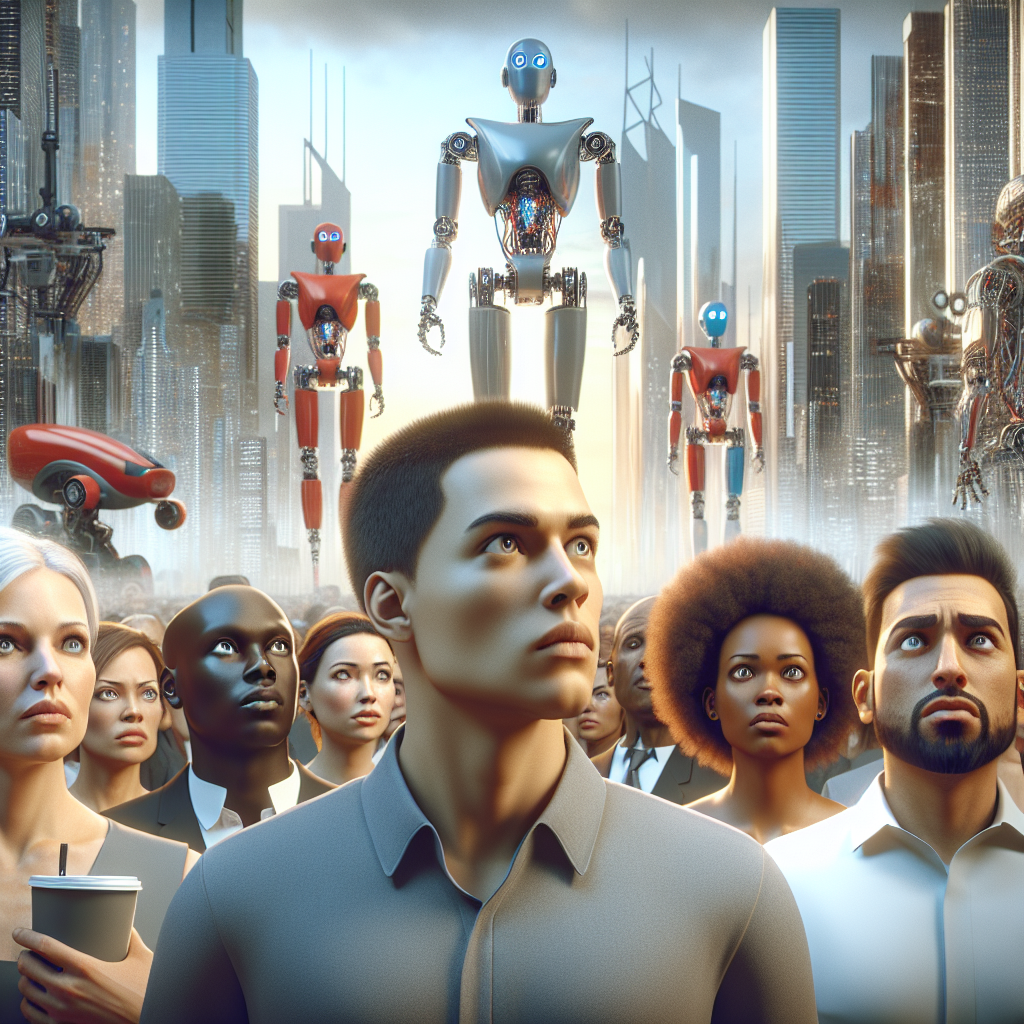

Can a Brain-like Chip Save Your Employees? Startup Launches $500M 'Retention Forecast' System
By StartupKorea Business Desk | Apr 08, 2026 Revolutionizing Retention: The Rise of Neuro-Morphic ForecastingIn a bold move that marries neuroscience with human resources, a new startup known as RetainTech has unveiled a $500 million Series...

By StartupKorea Business Desk | Apr 08, 2026
Revolutionizing Retention: The Rise of Neuro-Morphic Forecasting
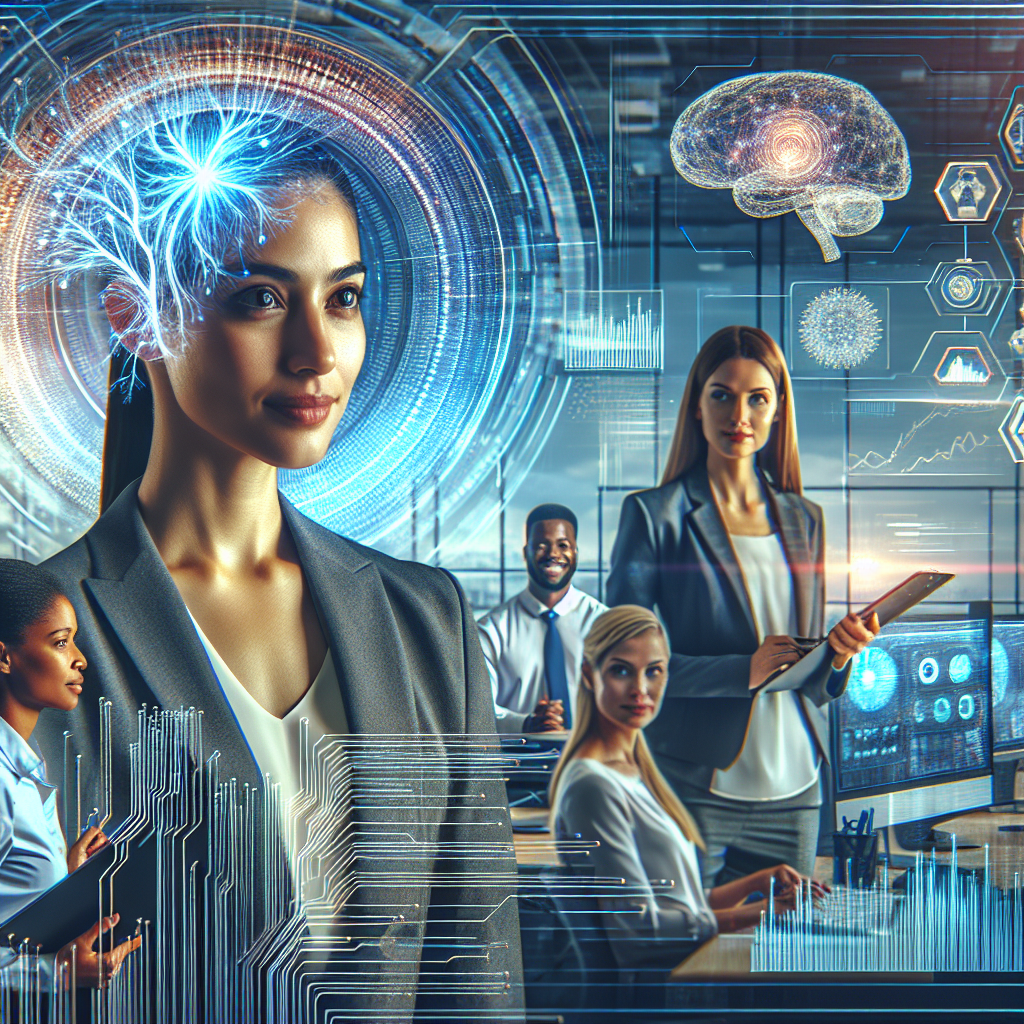
In a bold move that marries neuroscience with human resources, a new startup known as RetainTech has unveiled a $500 million Series A funding round aimed at developing a revolutionary employee retention forecasting system powered by neuro-morphic edge processors. The announcement, made Tuesday, April 8, 2026, has prompted the business world to buckle up for what could only be described as the latest chapter in the saga of absurdly optimistic tech solutions.
From Data to Destiny: The Promise of Predictive Analytics
RetainTech’s system promises to analyze employee behavior through a lens of artificial intelligence designed to mimic the human brain, or at least the brain of someone who has just ingested several cups of coffee. This innovation aims to predict which employees are likely to jump ship before they even consider checking the job boards.
“We’re not just throwing darts at a board here,” said CEO Alex Spence. “We’re using state-of-the-art technology to analyze data points that would make even the most seasoned HR professional blush. If we can forecast the mood swings of employees based on their last coffee break, we can certainly predict their long-term loyalty.”
Investors Show Unwavering Faith in Absurdity
Backing this ambitious venture are investors who have evidently found a new religion in the gospel of tech-driven HR solutions. Among them is venture capitalist Linda Chen, who expressed her excitement over the funding round. “It’s not just about retaining talent; it’s about creating a future where no employee ever wants to leave. Who wouldn't want to work in a world where you’re monitored by a chip that thinks like a brain?”
Such optimism, however, is not without its critics. Analysts suggest that while the idea of a neuro-morphic processor tracking employee analytics may sound enticing, it raises key questions about privacy and the emotional toll on workers. “It’s one thing to analyze employee performance,” said industry analyst Mark Jensen. “It’s another to treat them like data points on a spreadsheet.”
The Market Context: A Growing Concern for Retention
As companies scramble to maintain their talent pools, the war for employee retention is heating up. In 2023, the average turnover rate across industries stood at 20%. This figure has since escalated, with tech sectors witnessing even higher churn rates of nearly 25%. With such alarming statistics, it’s no wonder that startups like RetainTech are seizing the moment to claim they hold the keys to corporate salvation.
“We’re looking at a retention crisis,” said Spence, undeterred by the skeptics. “This technology is designed not just to analyze but to enhance the employee experience through predictive insights. Imagine a world where your HR team is as good at retention as they are at organizing bake sales.”
Risks and Constraints: The Other Side of the Coin
Of course, such grand aspirations are often tempered by a healthy dose of skepticism. Critics have raised their eyebrows at the implications of utilizing neuro-morphic processors in HR settings. For one, the ethical considerations of constant monitoring may lead to a culture of fear rather than support. “The question is not just whether we can predict employee behavior,” remarked Jensen, “but whether we should.”
Moreover, the technology itself is in its infancy stage, with many organizations lacking the infrastructure to support such advanced systems. As companies race to integrate this technology, they may find themselves in a precarious position of investing heavily in something they do not fully understand.
The Future of Work: A Balancing Act
As RetainTech prepares to roll out its product, it stands at the intersection of innovation and reality. The potential for neuro-morphic processors to revolutionize employee retention is tantalizing, but only time will tell if this high-stakes gamble will pay off or if it’s merely another chapter in the ongoing saga of tech’s promise to save us from ourselves.
For now, businesses are left to wonder: Will they sit back and watch their best employees flee, or will they embrace the next wave of technology designed to make them feel both understood and unnerved?
What's Your Reaction?
 Like
0
Like
0
 Dislike
0
Dislike
0
 Love
0
Love
0
 Funny
0
Funny
0
 Angry
0
Angry
0
 Sad
0
Sad
0
 Wow
0
Wow
0

![[This Month's Tip] Elice Group, Kindof, Leviosa AI: Key Updates](https://www.startupkorea.kr/uploads/images/202512/10_dd1f4c2a38634.png)