


Brain-Computer Interfaces: The New Lifeline for Struggling Entrepreneurs, Or Just Neurological Nonsense?
By StartupKorea Business Desk | Mar 29, 2026 Self-Employed Survival in the Age of Brain-Computer InterfacesIn an unprecedented pivot for the beleaguered self-employed sector, the emerging startup NeuralHarvest has announced a staggering $50...

By StartupKorea Business Desk | Mar 29, 2026
Self-Employed Survival in the Age of Brain-Computer Interfaces
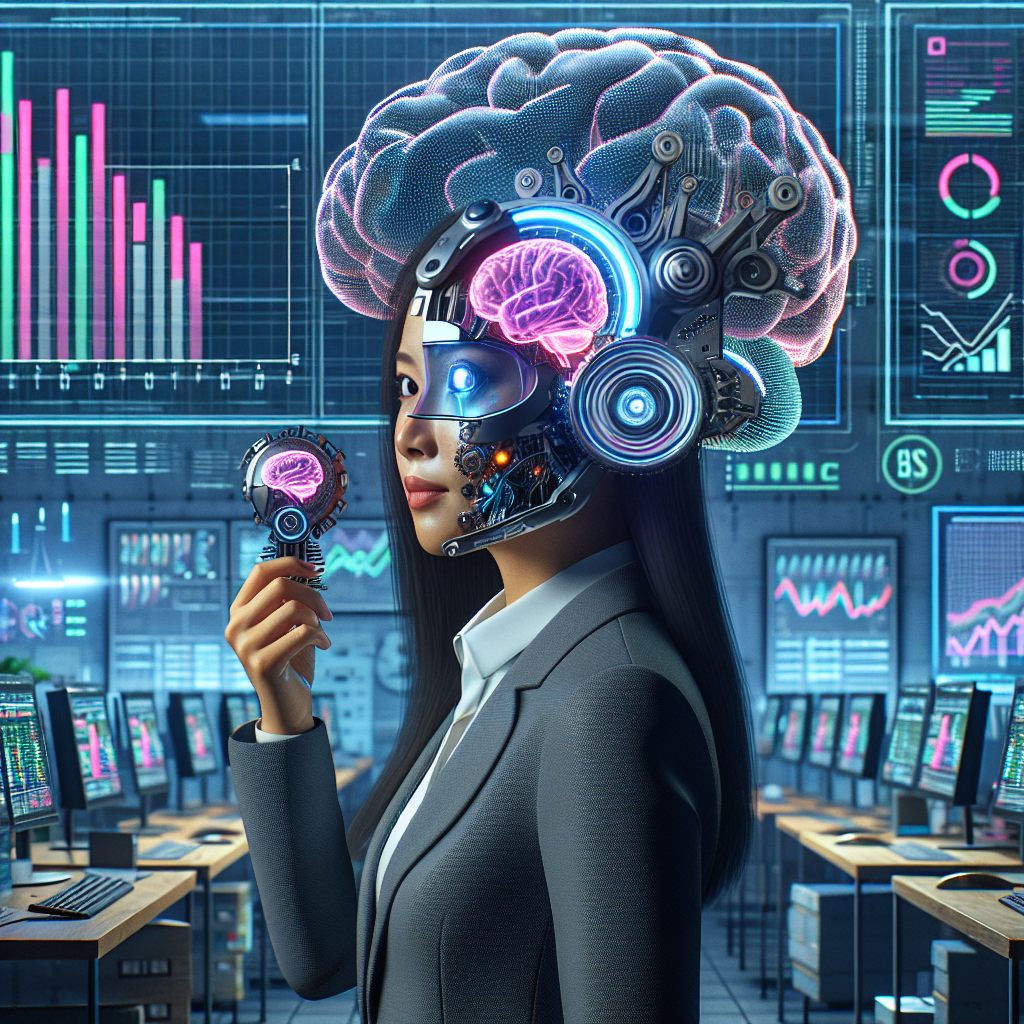
In an unprecedented pivot for the beleaguered self-employed sector, the emerging startup NeuralHarvest has announced a staggering $50 million investment in brain-computer interface (BCI) technology to help entrepreneurs stay afloat in an economy that refuses to be kind. The company aims to create a 'Survival Operating System' for self-employed individuals, equipping them with the latest neuro-innovations that, according to CEO Eliza Brainwave, will revolutionize the way people think about 'working smarter, not harder.'
This bold move comes against a backdrop of rising inflation, with the self-employed sector experiencing a 30% drop in revenue over the past year. Why now? Because apparently, it's high time we evolved beyond mere human limitations—at least, according to the plug-and-play dreamers at NeuralHarvest.
Investors Buy Into the Brain Game
With a growing number of global funds ready to co-invest, NeuralHarvest has attracted attention from venture capitalists seeking the next big wave in technological innovation. "We see this as an opportunity to align brainwaves with bank accounts," said investment analyst Rick O’Cognition, who has evidently been sipping too much of the startup Kool-Aid. "It’s the perfect blend of tech and desperation—what’s not to love?"
As if to underscore the futility of traditional funding models, the global co-investment market for technology startups has grown by 25% in the last year alone, signaling a significant appetite for shiny new toys—especially if they promise to tap into the cerebral cortex of the average entrepreneur.
The Metrics Are Matching the Madness
According to recent statistics, the self-employed segment of the workforce has ballooned to 41 million Americans, but only 20% report a thriving business. NeuralHarvest's Survival Operating System aims to reverse these fortunes by enabling self-employed individuals to 'literally' interface with their work. They claim that using electrodes to stimulate creativity is more effective than having a strong cup of coffee—though some skeptics suggest a double-shot espresso remains the more humane option.
- 30% drop in revenue for self-employed individuals in the last year
- 41 million Americans now classified as self-employed
- 25% growth in global co-investment in tech startups
Risks, Constraints, and the Existential Dread of Tech Dependency
However, experts warn that this brainy endeavor is not without its risks. David Skeptic, a lead analyst at TechNoGo, cautions, "While the concept of melding technology with human cognition sounds appealing, we need to remember the laws of unintended consequences. What happens if entrepreneurs can't turn off their creativity during a dinner party?"
Moreover, the ethical implications of brain-computer interfaces should not be brushed aside. Can we really trust a startup to manage our thoughts? With all the risks of data breaches and unauthorized mind-reading, the phrase 'think before you act' may soon become obsolete—more like 'think before you let them in your head.'
An Absurd Innovation or a Desperate Diversion?
As NeuralHarvest seeks to position itself at the forefront of this 'brave new world,' the startup's zealous approach raises eyebrows. Are self-employed individuals truly ready to have their creativity 'hacked' by a startup with the best of intentions, or are we simply setting the stage for a new era of entrepreneurial absurdity?
In a society where self-reliance is king, the notion of strapping on a headset to control your professional fate sounds as revolutionary as it does ridiculous. Perhaps we should first focus on building a solid foundation for self-employed survival—like, say, offering health benefits or a modicum of job security—before we start dabbling in the realm of brainwaves.
Conclusion: A Brave New (and Absurd) Frontier
As this saga unfolds, it remains to be seen whether NeuralHarvest's brain-computer interface will be hailed as a game-changer or ridiculed as yet another example of tech gone wrong. For now, the self-employed sector waits with bated breath—or perhaps with electrodes firmly in place—hoping for a miracle. After all, if you can’t beat the economic odds, why not hack your own brain?
What's Your Reaction?
 Like
0
Like
0
 Dislike
0
Dislike
0
 Love
0
Love
0
 Funny
0
Funny
0
 Angry
0
Angry
0
 Sad
0
Sad
0
 Wow
0
Wow
0