



Brain-Computer Interfaces Meet Culinary Arts: Is AI's Flavor Bias the Next Investment Bonanza?
By StartupKorea Business Desk | Mar 21, 2026 The Palatable Paradox of AI and Taste BudsIn a stunning twist that intertwines technology, gastronomy, and finance, the AI FoodLab has just secured an astonishing $150 million from various sovere...

By StartupKorea Business Desk | Mar 21, 2026
The Palatable Paradox of AI and Taste Buds
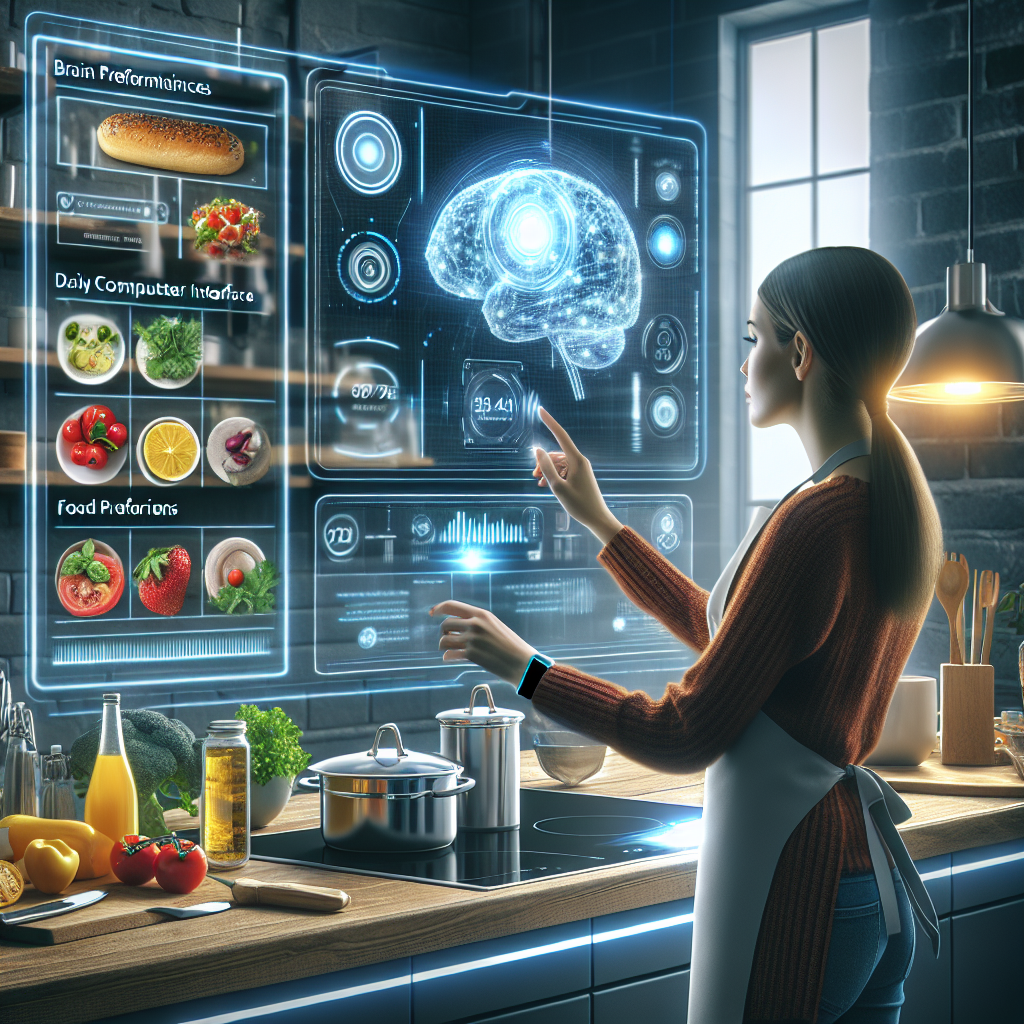
In a stunning twist that intertwines technology, gastronomy, and finance, the AI FoodLab has just secured an astonishing $150 million from various sovereign wealth funds to develop a brain-computer interface (BCI) aimed at correcting artificial intelligence’s palate biases.
The decision to invest now seems almost serendipitous, coinciding with the growing consumer shift towards personalized health and wellness. Skeptical foodies and technophiles alike may soon find themselves at the mercy of algorithms that can detect the nuances of their gastronomic preferences, all while reprogramming their taste buds—at least, that’s the plan.
Funding Flavors: A Taste of Investment
The investment comes from an eclectic mix of international sources, including Norway’s sovereign wealth fund and the less-known but equally influential, the Icelandic Fish Fund. Stakeholders are excited; they believe AI FoodLab might just redefine dining as we know it.
CEO Jane DeGustibus enthused, "Imagine a future where your dinner is tailored to your brainwaves—no more arguing about who chooses the restaurant! AI will bring us closer to achieving culinary utopia, where every meal is a personal celebration of one's brain chemistry."
The Market Context: A Recipe for Success?
According to market analysts, the brain-computer interface sector is projected to leapfrog to a staggering $30 billion by 2030, fueled by a growing appetite for innovations that promise to merge technology with daily life. Meanwhile, the global food tech market is expected to climb to $250 billion by 2027, a delicious convergence that investors simply cannot ignore.
Yet, amidst the swirling optimism, some industry experts are raising eyebrows. Kevin Deli, a food tech analyst, voiced his concerns: "While a BCI that adapts your meal to your brain waves sounds appetizing, we must ask—can AI really replicate the nuanced experience of savoring a five-course meal at a Michelin star restaurant?"
The Risks: A Dish Best Served Cold?
The potential risks of overreliance on AI in culinary experiences loom large. Critics argue that a palate tailored by algorithms may obliterate the diversity of flavors and culinary traditions. What happens when taste becomes a binary code instead of a cultural expression?
Moreover, there are ethical considerations surrounding the use of brain-computer interfaces that could lead to a dystopian food future. If AI can correct your culinary biases, what’s next? AI that influences your shopping habits? Your political preferences?
Opposing Viewpoints: Will We Eat the Algorithm?
While some investors see potential gold in AI FoodLab's model, others are skeptical about the feasibility of a tech-savvy culinary landscape. "Investing in a BCI to correct taste preferences is perhaps less about food and more about control," warned Melissa Piquant, an outspoken culinary activist.
- Investment secured: $150 million
- Projected BCI market value by 2030: $30 billion
- Global food tech market value by 2027: $250 billion
Despite the dissenting opinions, the allure of AI-driven culinary experiences persists. Who wouldn’t want to enjoy an exquisite meal crafted by the whims of their own brain? As the infusion of artificial intelligence into our food systems continues, we may soon need to redefine what it means to eat, savor, and enjoy.
In conclusion, while the AI FoodLab’s ambitious venture may seem absurd, it encapsulates a growing trend where technology, investment, and culinary arts collide. Whether this leads to a gastronomic revolution or a dystopian dinner party remains to be seen, but one thing is clear: the future of food is undoubtedly a flavorful frontier.
What's Your Reaction?
 Like
0
Like
0
 Dislike
0
Dislike
0
 Love
0
Love
0
 Funny
0
Funny
0
 Angry
0
Angry
0
 Sad
0
Sad
0
 Wow
0
Wow
0