

Blockchain and Digital Twin Technologies in Food Supply Chain: Analyzing Market Trends and Investment Opportunities
Blockchain and Digital Twin Technologies in Food Supply Chain: Analyzing Market Trends and Investment Opportunities By Startup Korea Research Desk | Apr 05, 2026 The food supply chain is undergoing significant transformation as technology contin...


Blockchain and Digital Twin Technologies in Food Supply Chain: Analyzing Market Trends and Investment Opportunities
By Startup Korea Research Desk | Apr 05, 2026
The food supply chain is undergoing significant transformation as technology continues to reshape how consumers interact with food products. Among the most promising innovations are blockchain technology and digital twin systems, which are being leveraged to enhance food safety, traceability, and overall transparency in the industry. As these technologies gain traction, they present both opportunities and challenges for investors and startups alike.
Market Landscape and Growth Potential
The global food traceability market is projected to grow at a compound annual growth rate (CAGR) of approximately 10% over the next five years. This growth is driven by increasing consumer demand for transparency regarding food origins and safety. As foodborne illnesses and safety scandals continue to make headlines, consumers are becoming more conscious of the products they purchase, leading to a heightened interest in technologies that can provide verifiable information about food sources.
Blockchain Technology: Enhancing Transparency
Blockchain technology offers a decentralized ledger system that can record transactions across multiple computers in a way that ensures the data is secure, transparent, and immutable. In the context of the food supply chain, blockchain can be utilized to track the journey of food products from farm to table. This technology allows stakeholders to verify the authenticity of food items, thereby reducing the risk of fraud and enhancing consumer trust.
Digital Twin Technology: Simulating Real-World Systems
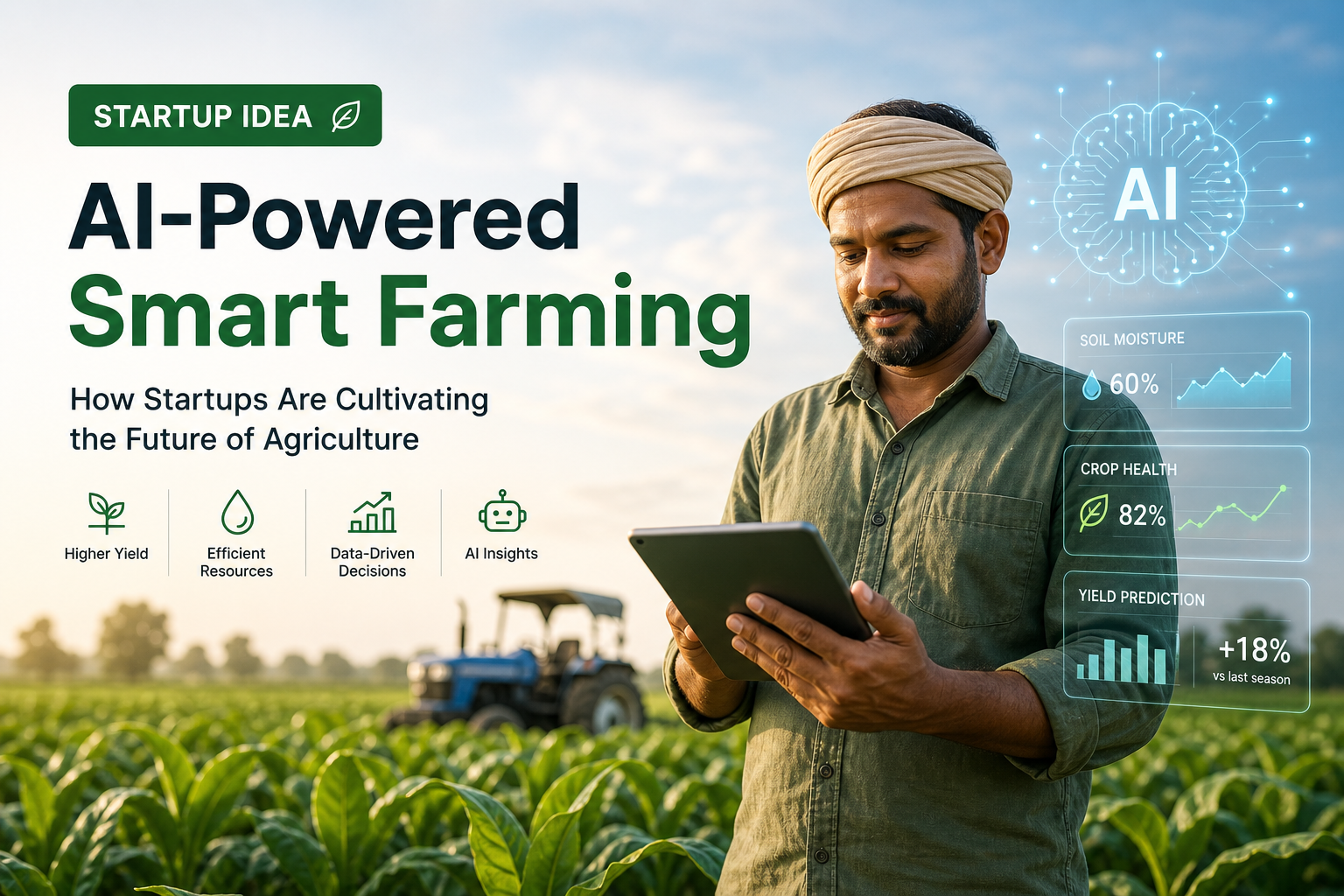
Digital twin technology involves creating virtual replicas of physical systems, which can be used to monitor and optimize operations in real-time. In agriculture, digital twins can simulate entire farms, tracking variables such as crop growth, soil health, and environmental conditions. This capability not only improves operational efficiency but also enables predictive analytics, allowing farmers to make data-driven decisions that enhance yield and sustainability.
Investment Trends and Opportunities
As startups explore the integration of blockchain and digital twin technologies, there is a growing interest from investors seeking to capitalize on the potential of food-tech innovations. Recent funding rounds have highlighted a willingness among venture capitalists to invest in companies that promise to disrupt traditional food supply chains. The projected valuation of such startups can reach significant figures, with some aiming for initial public offerings (IPOs) that could exceed $1 billion.
Challenges and Risks in Adoption
Despite the promising outlook, the adoption of blockchain and digital twin technologies in the food supply chain is not without its challenges. Critics argue that while these technologies can enhance transparency, they do not address fundamental issues such as agricultural inefficiencies and supply chain fragmentation. For instance, the implementation of blockchain requires collaboration among various stakeholders, including farmers, distributors, and retailers, which can be difficult to achieve in a fragmented industry.
Moreover, the technological infrastructure necessary for effective implementation may not be readily available in all regions, particularly in developing countries where agricultural practices are less advanced. This disparity could lead to uneven adoption rates and limit the overall impact of these innovations.
Strategic Considerations for Founders
For founders looking to enter the food-tech space, it is crucial to develop a clear strategy that addresses both the technological and operational challenges associated with blockchain and digital twin technologies. This includes fostering partnerships with key stakeholders across the supply chain, investing in education and training for users, and ensuring that the technology is adaptable to various agricultural contexts.
Additionally, founders should focus on building a strong value proposition that resonates with consumers' growing demand for transparency and safety. By effectively communicating the benefits of their solutions, startups can differentiate themselves in a competitive market and attract both customers and investors.
Conclusion
The integration of blockchain and digital twin technologies in the food supply chain represents a significant opportunity for innovation and investment. As the market continues to evolve, stakeholders must navigate the complexities of technology adoption while addressing the underlying challenges of the agricultural sector. With careful planning and execution, startups can position themselves at the forefront of this transformative wave in the food industry.
Editor's note: This analysis is original market research and does not constitute investment advice.
What's Your Reaction?
 Like
0
Like
0
 Dislike
0
Dislike
0
 Love
0
Love
0
 Funny
0
Funny
0
 Angry
0
Angry
0
 Sad
0
Sad
0
 Wow
0
Wow
0