




Analyzing the Rise of Virtual Commute Platforms in the Remote Work Landscape
By Startup Korea Research Desk | May 15, 2026 Introduction As remote work continues to evolve, companies are exploring innovative solutions to enhance employee experience and productivity. One emerging trend is the development of virtual commute...

By Startup Korea Research Desk | May 15, 2026
Introduction
As remote work continues to evolve, companies are exploring innovative solutions to enhance employee experience and productivity. One emerging trend is the development of virtual commute platforms, which aim to replicate the experience of commuting in a digital environment. This analysis delves into the market dynamics surrounding these platforms, their potential impact on work-life balance, and the considerations for investors and founders in this space.
The Context of Remote Work
The shift towards remote work has been accelerated by the global pandemic, leading to a significant transformation in workplace dynamics. According to recent studies, the remote work market has grown by over 60% since 2020, with a substantial portion of the workforce expressing a preference for flexible work arrangements. This shift has created opportunities for startups to address the challenges associated with remote work, including screen fatigue and the blurring of boundaries between work and personal life.
Understanding Virtual Commute Platforms
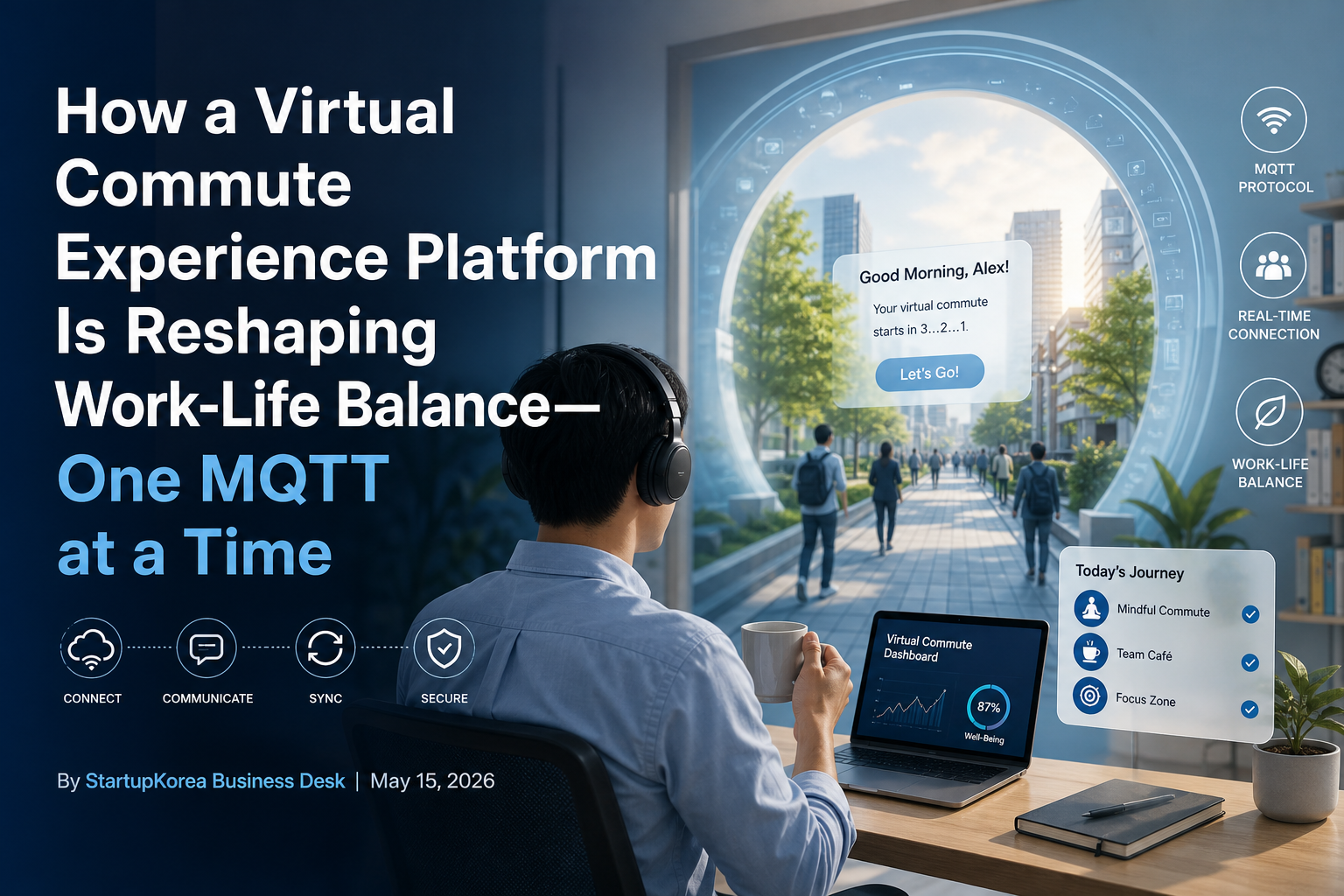
Virtual commute platforms are designed to provide employees with a structured transition between work and personal time, mimicking the physical commuting experience. These platforms utilize various technologies, including messaging protocols like MQTT (Message Queuing Telemetry Transport), to create engaging and interactive digital environments. By offering features that simulate traffic, social interactions, and even leisure activities, these platforms aim to enhance the overall work-life balance of remote employees.
Market Trends and Adoption Risks
- Growing Demand: As remote work becomes a permanent fixture for many organizations, the demand for solutions that facilitate a healthy work-life balance is likely to increase. Virtual commute platforms can cater to this demand by providing a unique way for employees to disconnect from work.
- Technology Adoption: While the technology behind these platforms is innovative, there may be challenges in user adoption. Employees accustomed to traditional work routines may be hesitant to embrace a virtual commute, especially if it requires significant changes to their daily habits.
- Market Saturation: As more startups enter the virtual commute space, competition will intensify. Founders must differentiate their offerings and demonstrate clear value to attract users and investors.
Investor Considerations
Investors looking to enter the virtual commute market should conduct thorough due diligence. Key factors to consider include:
- Business Model Viability: Assessing the sustainability of the business model is crucial. Startups must demonstrate how they plan to monetize their platforms, whether through subscription models, partnerships, or other revenue streams.
- User Engagement: Understanding how users interact with the platform and their level of engagement will be vital for long-term success. Metrics such as daily active users, retention rates, and user feedback can provide insights into the platform's effectiveness.
- Market Positioning: Evaluating the startup's positioning within the broader remote work ecosystem will help investors identify potential risks and opportunities. Collaborations with established companies or integration with existing remote work tools could enhance market reach.
Founder Strategies for Success
For founders operating in the virtual commute space, several strategies can enhance their chances of success:
- User-Centric Design: Prioritizing user experience in the platform's design will be essential. Engaging features that resonate with users can drive adoption and retention.
- Feedback Loops: Establishing mechanisms for user feedback can help founders iterate on their offerings and address pain points effectively.
- Partnerships and Collaborations: Forming strategic partnerships with organizations that promote remote work can provide valuable exposure and credibility.
Conclusion
The rise of virtual commute platforms reflects a broader trend towards enhancing employee experience in the remote work landscape. While the potential for these platforms is significant, both investors and founders must navigate challenges related to adoption, competition, and business model sustainability. As the market continues to evolve, those who prioritize user engagement and innovative solutions will likely find success in this emerging sector.
Editor's note: This is original market analysis and not investment advice.
What's Your Reaction?
 Like
0
Like
0
 Dislike
0
Dislike
0
 Love
0
Love
0
 Funny
0
Funny
0
 Angry
0
Angry
0
 Sad
0
Sad
0
 Wow
0
Wow
0