

Analyzing the Rise of Nostalgia-Based Startups: Market Trends and Investment Opportunities
By Startup Korea Research Desk | May 13, 2026 The emergence of nostalgia-driven technology startups marks a significant trend in the current investment landscape. As consumer preferences shift towards experiences that evoke emotional connections...


By Startup Korea Research Desk | May 13, 2026
The emergence of nostalgia-driven technology startups marks a significant trend in the current investment landscape. As consumer preferences shift towards experiences that evoke emotional connections, businesses are increasingly exploring ways to monetize nostalgia. This analysis delves into the market dynamics, business models, and potential risks associated with this burgeoning sector.
Market Dynamics and Growth Potential
The nostalgia market has gained traction, with projections estimating its worth to reach $1.5 billion by 2028. This growth is largely attributed to a heightened awareness of mental health and the therapeutic effects of nostalgia. As individuals seek comfort during challenging times, nostalgia serves as a coping mechanism, allowing them to reconnect with positive memories from their past.
Market research indicates that nostalgia-themed startups have surged by 75% over the past year, reflecting a growing investor interest in this sector. The appeal lies in the timeless nature of nostalgia, which resonates across various demographics, making it a versatile and marketable concept.
Business Models and Technological Innovations
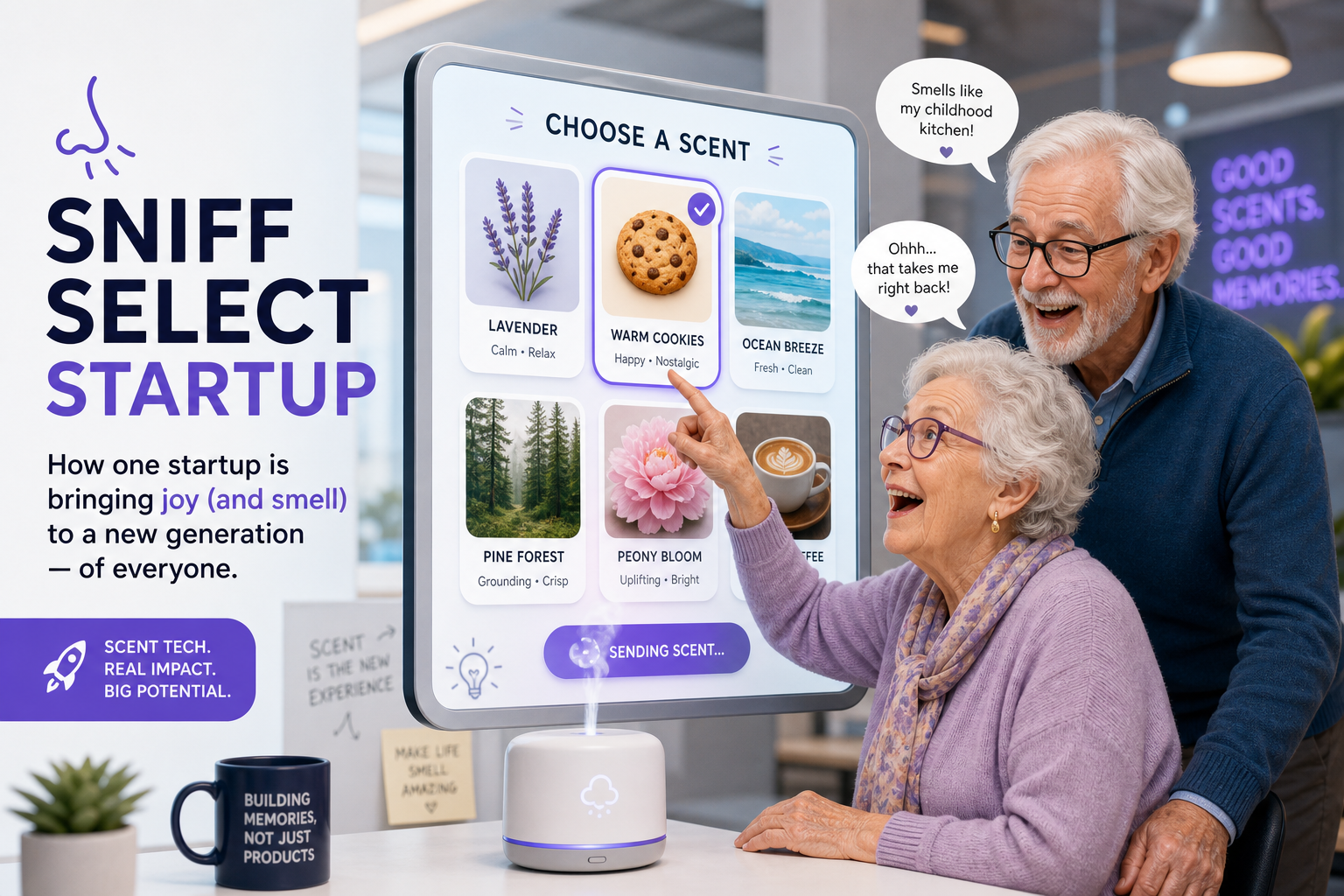
At the core of many nostalgia startups is the integration of technology that enhances user experiences. For instance, some companies are developing platforms that utilize sensory technologies to evoke memories tied to specific experiences, such as scents or sounds. This innovative approach not only differentiates these startups in a competitive market but also provides a unique value proposition that can attract a loyal customer base.
Moreover, partnerships with established brands, such as bakeries or toy manufacturers, can further enhance the authenticity of the nostalgic experience. By recreating sensory elements from the past, these startups can offer consumers a more immersive and emotionally resonant experience, thereby increasing customer engagement and retention.
Investor Diligence and Market Risks
While the nostalgia market presents exciting opportunities, investors must exercise diligence when evaluating potential investments. The novelty of nostalgia technology raises questions about scalability and long-term viability. Startups must demonstrate a clear path to profitability and a sustainable business model that can adapt to changing consumer preferences.
Additionally, regulatory concerns surrounding data privacy and emotional manipulation may pose risks to companies operating in this space. As these startups often rely on personal data to deliver tailored experiences, they must navigate complex legal frameworks to ensure compliance and maintain consumer trust.
Founder Strategies for Success
For founders looking to capitalize on the nostalgia trend, a well-defined strategy is essential. This includes understanding the target demographic and tailoring offerings to meet their emotional needs. Engaging storytelling, effective marketing, and community-building initiatives can enhance brand loyalty and foster a strong emotional connection with consumers.
Furthermore, founders should prioritize transparency in their operations, particularly regarding data usage and privacy. Building trust with consumers will be crucial in establishing a reputable brand in the nostalgia market.
Conclusion
The rise of nostalgia-based startups reflects a broader trend in consumer behavior, where emotional connections play a pivotal role in purchasing decisions. As the market continues to evolve, businesses that effectively leverage technology to create meaningful experiences will likely thrive. However, investors and founders alike must remain vigilant about potential risks and regulatory challenges that could impact the sustainability of this sector.
Editor's note: This analysis is original market research and does not constitute investment advice.
What's Your Reaction?
 Like
0
Like
0
 Dislike
0
Dislike
0
 Love
0
Love
0
 Funny
0
Funny
0
 Angry
0
Angry
0
 Sad
0
Sad
0
 Wow
0
Wow
0