



Analyzing the Rise of Employee Wellness Technology: Trends and Implications
By Startup Korea Research Desk | Apr 19, 2026 Introduction The increasing focus on employee wellness has become a defining trend in the modern workplace, particularly in the tech industry. As organizations grapple with high rates of burnout amon...


By Startup Korea Research Desk | Apr 19, 2026
Introduction
The increasing focus on employee wellness has become a defining trend in the modern workplace, particularly in the tech industry. As organizations grapple with high rates of burnout among employees, innovative solutions are emerging to address these challenges. This analysis explores the current landscape of employee wellness technology, the factors driving investment in this sector, and the potential implications for startups and investors.
Market Context
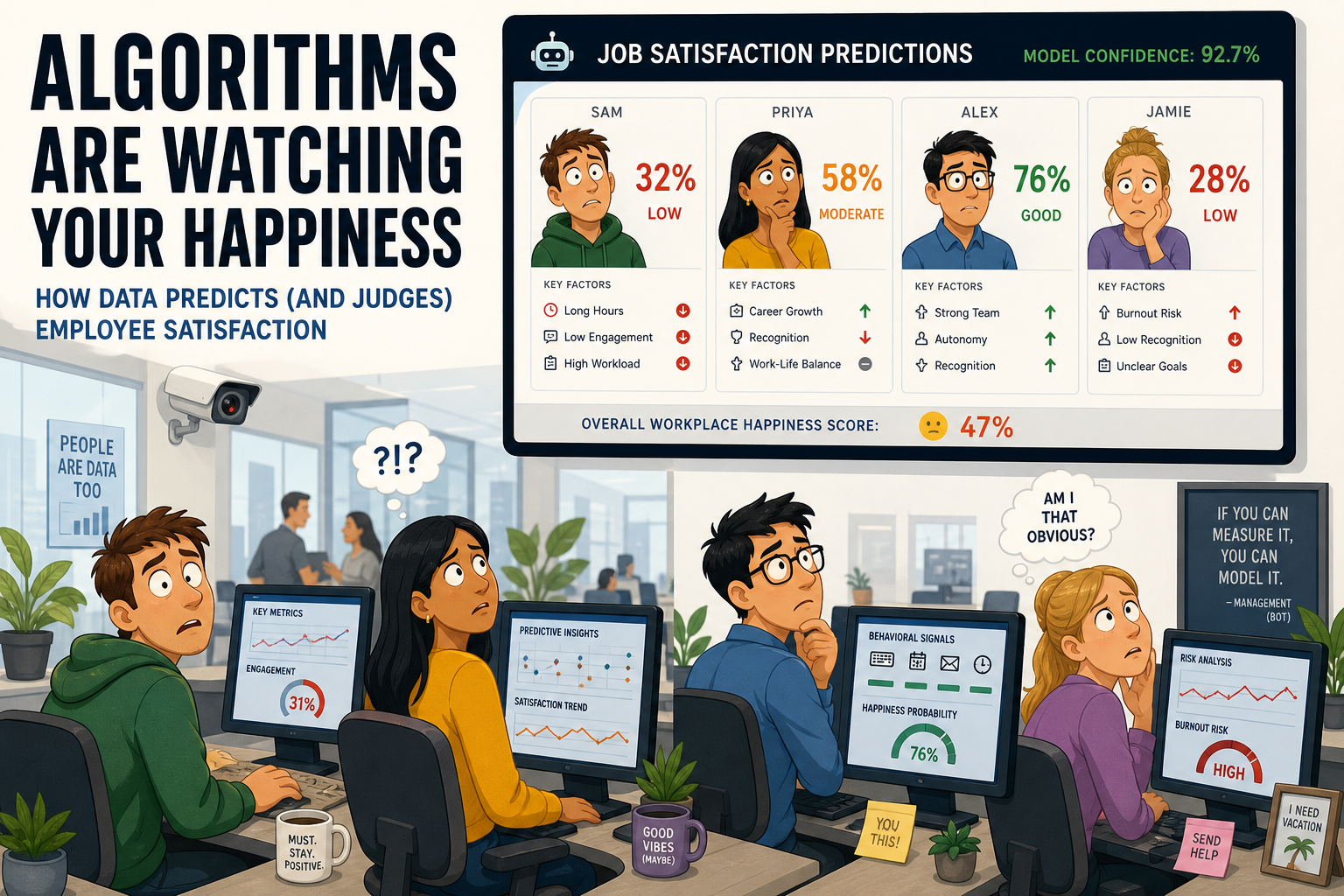
The global employee wellness technology market is projected to reach $100 billion by 2026. This growth is fueled by a heightened awareness of mental health issues and the importance of work-life balance. According to recent surveys, approximately 76% of developers report experiencing burnout, highlighting a critical need for effective solutions. Companies are increasingly recognizing that a healthy workforce is essential for maintaining productivity and retaining talent.
Investment Trends
Recent investments in employee wellness initiatives indicate a robust interest from venture capitalists and other investors. Startups that focus on innovative approaches to employee well-being are attracting significant funding. For instance, a notable startup recently announced a $300 million investment aimed at developing technology that integrates robotic systems to enhance the work experience for developers. This initiative exemplifies the trend of leveraging advanced technology to mitigate burnout and improve employee engagement.
Business Model Considerations
Startups entering the employee wellness space must carefully consider their business models. Successful companies are likely to adopt a multi-faceted approach that combines technology with human-centric solutions. For example, integrating tools that provide real-time feedback and support can enhance the user experience and drive adoption. Additionally, partnerships with established organizations may provide startups with the credibility and resources needed to scale their solutions effectively.
Adoption Risks
While the potential for growth in the employee wellness sector is substantial, there are inherent risks associated with adoption. Organizations may be hesitant to invest in new technologies without clear evidence of their effectiveness. Startups must prioritize data-driven results and user testimonials to build trust with potential clients. Furthermore, the integration of new technologies into existing workflows can pose challenges, necessitating comprehensive training and support for employees.
Investor Diligence
For investors, due diligence is critical when evaluating startups in the employee wellness space. Key factors to consider include the startup's understanding of the market, the scalability of its solutions, and the potential for long-term sustainability. Investors should also assess the startup's ability to adapt to changing workplace dynamics and the evolving needs of employees.
Founder Strategy
Founders of startups focused on employee wellness must adopt a strategic approach to navigate this competitive landscape. Building a strong brand that resonates with both employees and employers is essential. Additionally, founders should prioritize continuous innovation to stay ahead of market trends and address emerging challenges related to employee well-being.
Conclusion
The rise of employee wellness technology represents a significant shift in how organizations approach workforce management. As the market continues to evolve, startups that effectively address the challenges of burnout and promote work-life balance will be well-positioned for success. By leveraging technology and adopting a holistic approach to employee well-being, these companies can contribute to a healthier, more productive workforce.
Editor's note: This is original market analysis and not investment advice.
What's Your Reaction?
 Like
0
Like
0
 Dislike
0
Dislike
0
 Love
0
Love
0
 Funny
0
Funny
0
 Angry
0
Angry
0
 Sad
0
Sad
0
 Wow
0
Wow
0