


Analyzing the Rise of AI Solutions for Workplace Anxiety: Market Trends and Investment Considerations
By Startup Korea Research Desk | May 20, 2026 In recent years, the intersection of technology and mental health has garnered increasing attention, particularly within the corporate sector. As companies seek to enhance employee well-being and pro...

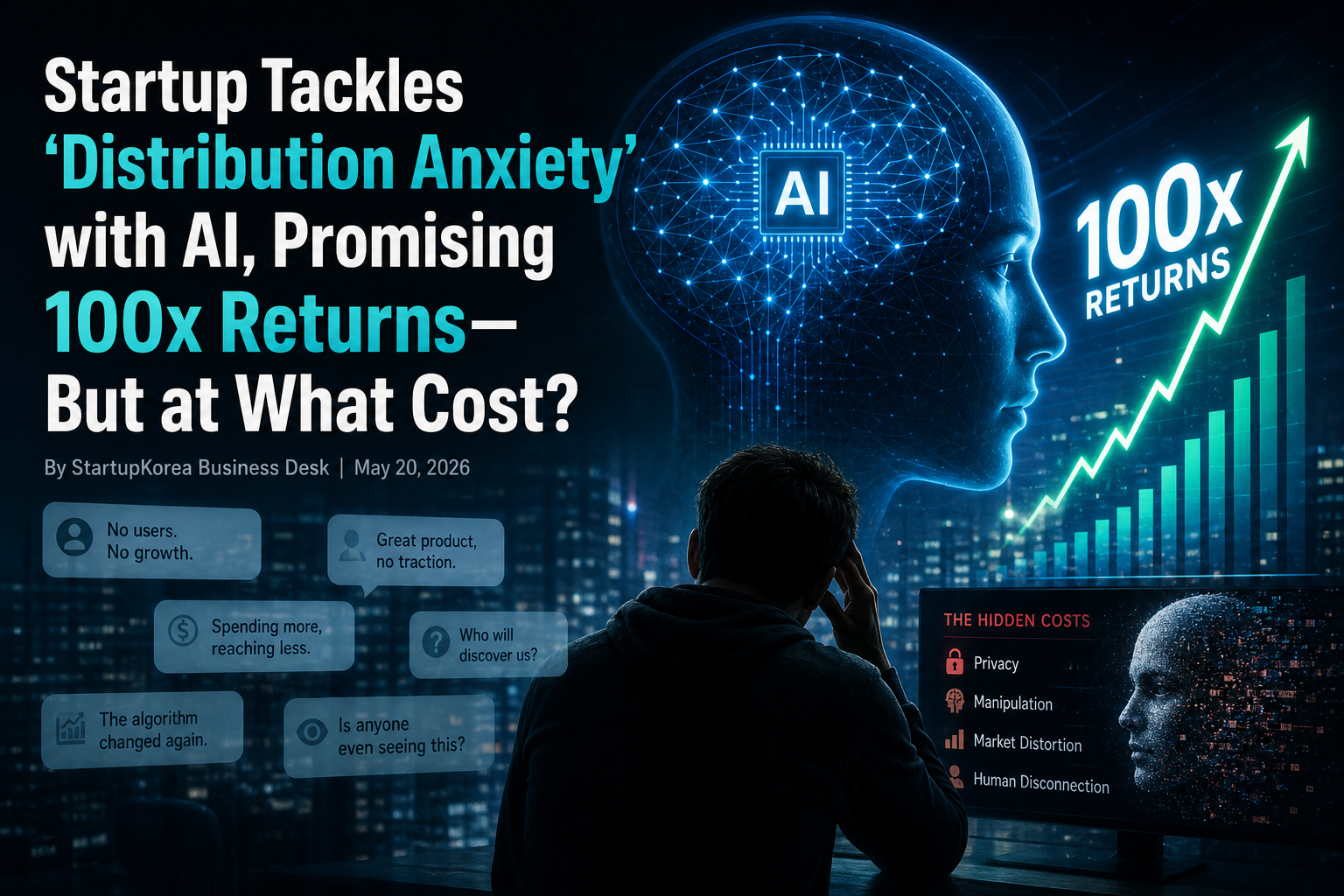
By Startup Korea Research Desk | May 20, 2026
In recent years, the intersection of technology and mental health has garnered increasing attention, particularly within the corporate sector. As companies seek to enhance employee well-being and productivity, innovative solutions are emerging to address the psychological challenges faced by workers. One such trend is the development of artificial intelligence (AI) tools designed to alleviate what has been termed 'distribution anxiety'—the stress associated with sending out company communications.
Understanding Distribution Anxiety
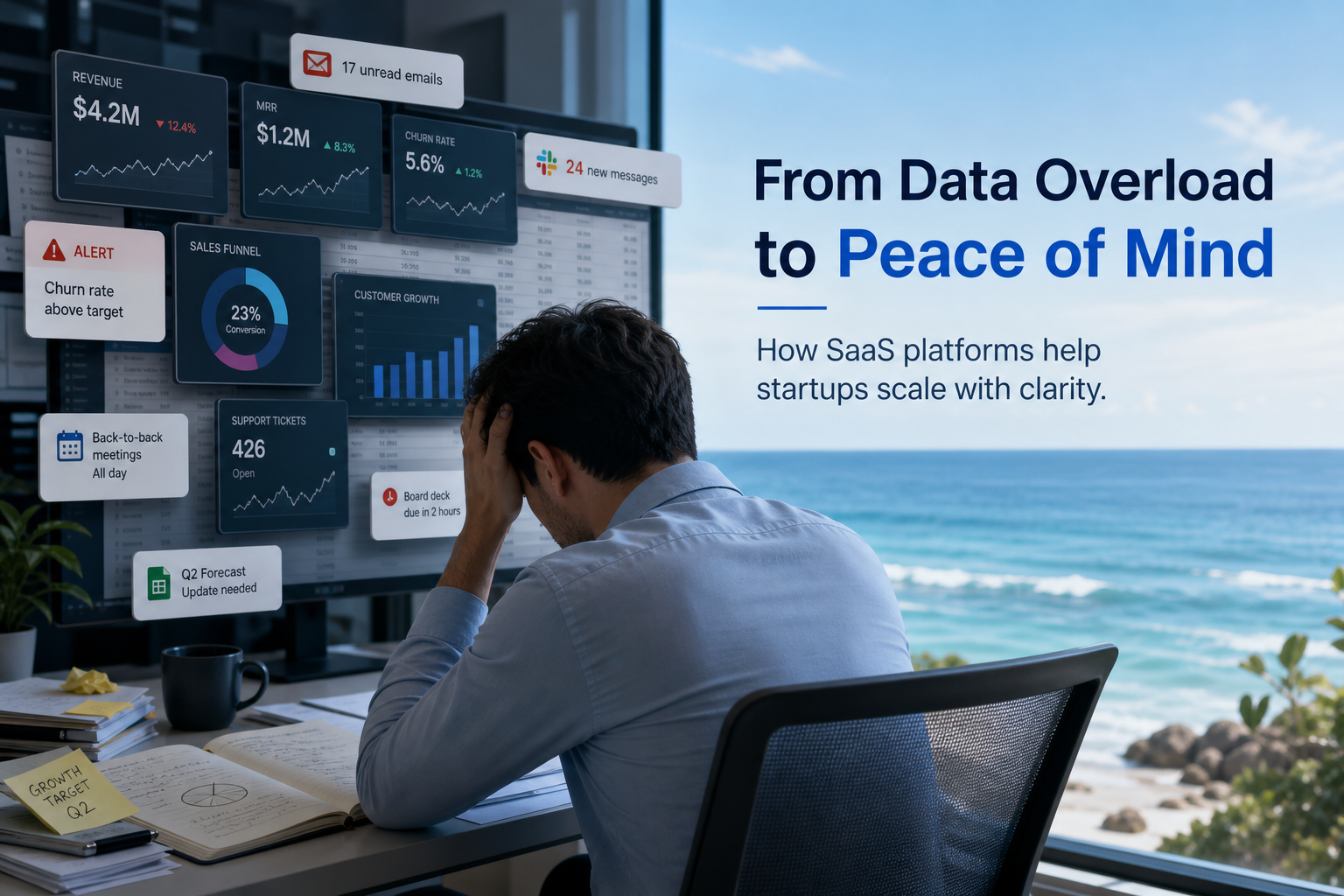
Distribution anxiety refers to the apprehension employees feel when tasked with disseminating information, whether through emails, reports, or other forms of communication. This phenomenon is not merely anecdotal; studies indicate that a significant percentage of corporate employees experience stress-induced paralysis during these tasks. As organizations increasingly recognize the importance of mental health, there is a growing market for solutions that address these emotional hurdles.
Market Context and Growth Potential
The corporate wellness industry is projected to reach $90 billion by 2028, reflecting a robust demand for tools that promote mental health in the workplace. As organizations strive to create healthier work environments, solutions that blend productivity enhancement with emotional support are likely to gain traction. AI-driven technologies, in particular, are well-positioned to capitalize on this trend, offering scalable and data-driven approaches to employee wellness.
Innovative Business Models
Startups entering this space are exploring various business models that leverage AI to provide insights into employee behavior and emotional states. For instance, some companies are developing algorithms that analyze user patterns to predict when employees are most likely to experience anxiety, thereby offering timely interventions or support mechanisms. This approach not only addresses the immediate concerns of distribution anxiety but also fosters a culture of awareness and understanding within organizations.
Investor Considerations
As investors evaluate opportunities in this burgeoning market, several factors warrant careful consideration:
- Market Demand: The increasing prevalence of workplace stress and the corresponding demand for mental health solutions suggest a favorable environment for investment.
- Scalability: AI solutions that can be easily integrated into existing corporate frameworks and scaled across various industries are likely to attract investor interest.
- Regulatory Landscape: Startups must navigate the complexities of data privacy and mental health regulations, which can impact their operational capabilities and market entry strategies.
- Competitive Landscape: The market is becoming increasingly crowded, with numerous startups vying for attention. Investors should assess the uniqueness of a startup's value proposition and its potential to differentiate itself from competitors.
Challenges and Risks
Despite the promising outlook, startups focused on alleviating distribution anxiety face several challenges:
- Adoption Risks: Organizations may be hesitant to adopt new technologies that address emotional well-being, particularly if they perceive them as non-essential or lacking in measurable ROI.
- Market Education: Startups must invest in educating potential clients about the importance of addressing workplace anxiety, which may require significant marketing efforts.
- Long-Term Viability: The sustainability of business models that rely heavily on emotional support tools remains to be seen, as companies may prioritize more traditional productivity solutions.
Conclusion
The emergence of AI solutions targeting workplace anxiety represents a significant shift in how organizations approach employee well-being. As the corporate wellness market continues to expand, startups that successfully navigate the complexities of this landscape may find lucrative opportunities. However, potential investors should conduct thorough due diligence, considering both the innovative potential and the inherent risks associated with these emerging technologies.
Editor's note: This analysis is original market research and does not constitute investment advice.
What's Your Reaction?
 Like
0
Like
0
 Dislike
0
Dislike
0
 Love
0
Love
0
 Funny
0
Funny
0
 Angry
0
Angry
0
 Sad
0
Sad
0
 Wow
0
Wow
0