



Analyzing the Rise of AI in Fashion: Market Trends and Investment Opportunities
Analyzing the Rise of AI in Fashion: Market Trends and Investment Opportunities By Startup Korea Research Desk | Apr 26, 2026 The integration of artificial intelligence (AI) into various sectors has been a significant trend over the past few yea...

Analyzing the Rise of AI in Fashion: Market Trends and Investment Opportunities
By Startup Korea Research Desk | Apr 26, 2026
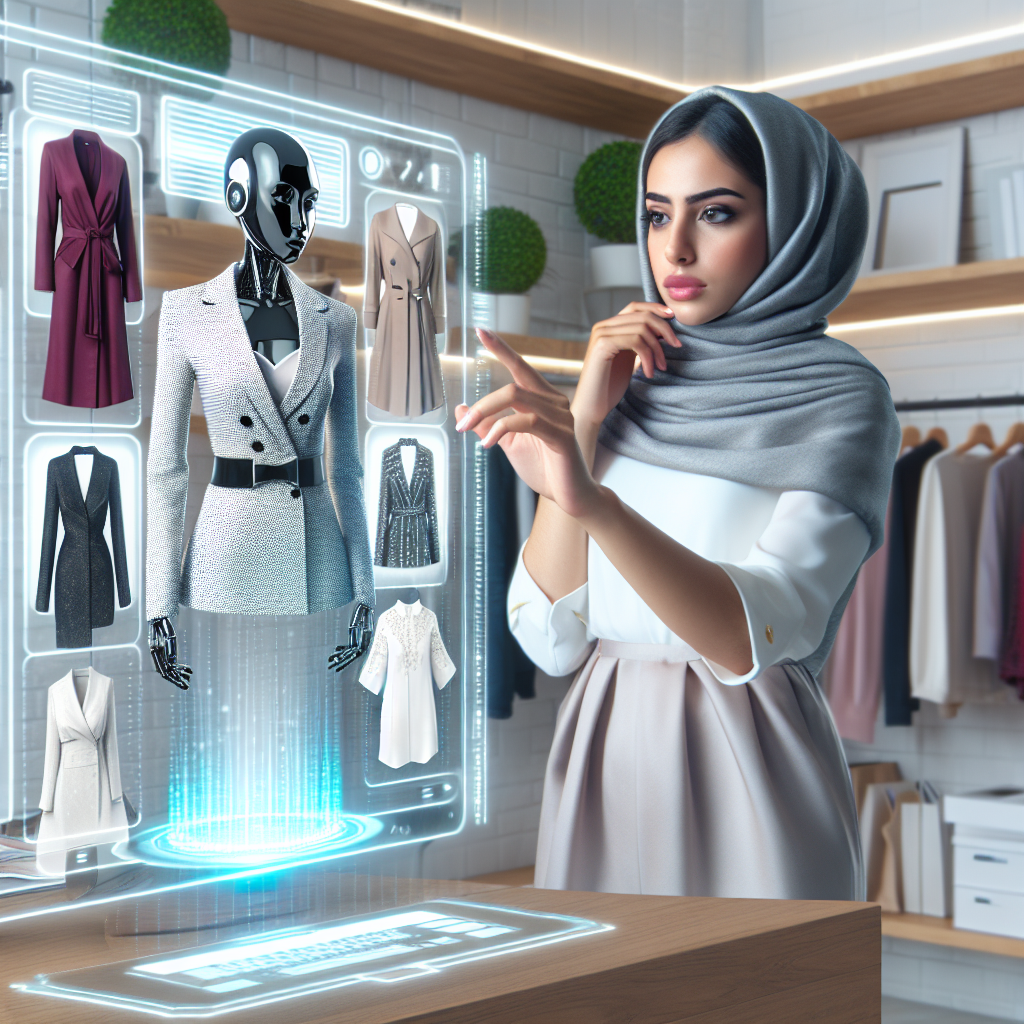
The integration of artificial intelligence (AI) into various sectors has been a significant trend over the past few years, and the fashion industry is no exception. As consumer preferences evolve and technology advances, startups are emerging with innovative solutions aimed at addressing common challenges faced by consumers. One such innovation is the development of AI-driven wardrobe decision-making tools, which aim to streamline the often overwhelming process of selecting outfits.
The Fashion Dilemma: A Market in Need of Solutions
As society transitions back to normalcy following the pandemic, many individuals are experiencing a resurgence of indecision regarding their wardrobe choices. This phenomenon is not merely anecdotal; market analysis indicates that a significant portion of consumers—estimated at over 60%—struggle with outfit selection, leading to substantial losses in potential retail sales. The fashion retail sector is projected to lose approximately $300 billion annually due to indecision among shoppers.
Emerging Solutions: AI-Driven Wardrobe Assistants
Startups are increasingly recognizing the potential of AI to address these challenges. By leveraging machine learning algorithms, these companies aim to create systems that analyze past outfit choices, current fashion trends, and even environmental factors such as weather conditions to provide personalized outfit recommendations. Such technologies not only promise to enhance user experience but also aim to reduce the time spent on daily wardrobe decisions.
Market Context: Growth Potential in AI Fashion
The global market for AI in fashion is projected to reach $9.4 billion by 2028, with a compound annual growth rate (CAGR) of 35% from 2021. This rapid growth is indicative of a broader trend where technology and fashion intersect, creating new opportunities for startups and investors alike. As consumer demand for personalized shopping experiences increases, the potential for AI-driven solutions becomes more pronounced.
Business Model Considerations
Startups entering this space must carefully consider their business models. Subscription-based services, where users pay a monthly fee for personalized outfit recommendations, are one potential avenue. Alternatively, partnerships with fashion retailers could provide a dual benefit: enhancing the consumer experience while driving sales for partner brands. The choice of business model will significantly impact the startup's scalability and long-term viability.
Adoption Risks and Challenges
Despite the promising outlook, there are inherent risks associated with the adoption of AI in fashion. Consumer acceptance is paramount; individuals must trust these systems to make personal recommendations. Additionally, the technology must be user-friendly and seamlessly integrated into existing shopping behaviors. Startups must also navigate data privacy concerns, as the effectiveness of AI solutions often relies on the collection and analysis of personal data.
Investor Diligence: Evaluating Opportunities
For investors, the burgeoning AI fashion sector presents both opportunities and challenges. Diligence is required to assess the viability of business models, the scalability of technology, and the competitive landscape. Investors should consider the startup's ability to differentiate itself in a crowded market and its strategy for acquiring and retaining users. Furthermore, understanding the regulatory environment surrounding data privacy will be crucial in evaluating potential risks.
Founder Strategy: Navigating the Competitive Landscape
Founders entering the AI fashion space must possess a clear vision and strategy. This includes not only a robust understanding of technology but also insights into consumer behavior and fashion trends. Building a strong brand identity and fostering partnerships with established players in the fashion industry can enhance credibility and market reach. Additionally, focusing on user feedback and iterative improvements will be essential for long-term success.
Conclusion
The rise of AI in the fashion industry represents a significant opportunity for innovation and investment. As startups develop solutions to address common consumer challenges, the potential for growth in this sector is substantial. However, navigating the complexities of consumer adoption, data privacy, and competitive differentiation will be critical for success.
Editor's note: This analysis is original market research and does not constitute investment advice.
What's Your Reaction?
 Like
0
Like
0
 Dislike
0
Dislike
0
 Love
0
Love
0
 Funny
0
Funny
0
 Angry
0
Angry
0
 Sad
0
Sad
0
 Wow
0
Wow
0