



Analyzing the Potential of Sensor Networks in Flood Prediction: Market Trends and Challenges
Analyzing the Potential of Sensor Networks in Flood Prediction: Market Trends and Challenges By Startup Korea Research Desk | May 17, 2026 As climate change continues to influence weather patterns globally, the demand for advanced flood predicti...

Analyzing the Potential of Sensor Networks in Flood Prediction: Market Trends and Challenges
By Startup Korea Research Desk | May 17, 2026
As climate change continues to influence weather patterns globally, the demand for advanced flood prediction technologies is becoming increasingly critical. Recent developments in sensor technology have opened new avenues for startups aiming to provide real-time alerts and data analytics to communities at risk of flooding. This analysis explores the current market landscape, the business models employed by emerging companies, and the challenges they face in gaining market traction.
Market Overview and Growth Potential
The flood prediction market is projected to reach approximately $1.1 billion by 2028. This growth is driven by the increasing frequency of extreme weather events, which necessitate more sophisticated monitoring and alert systems. The integration of Internet of Things (IoT) technology into flood prediction systems allows for real-time data collection and analysis, enabling communities to respond more effectively to potential flooding.
Investment Trends in Sensor Technology
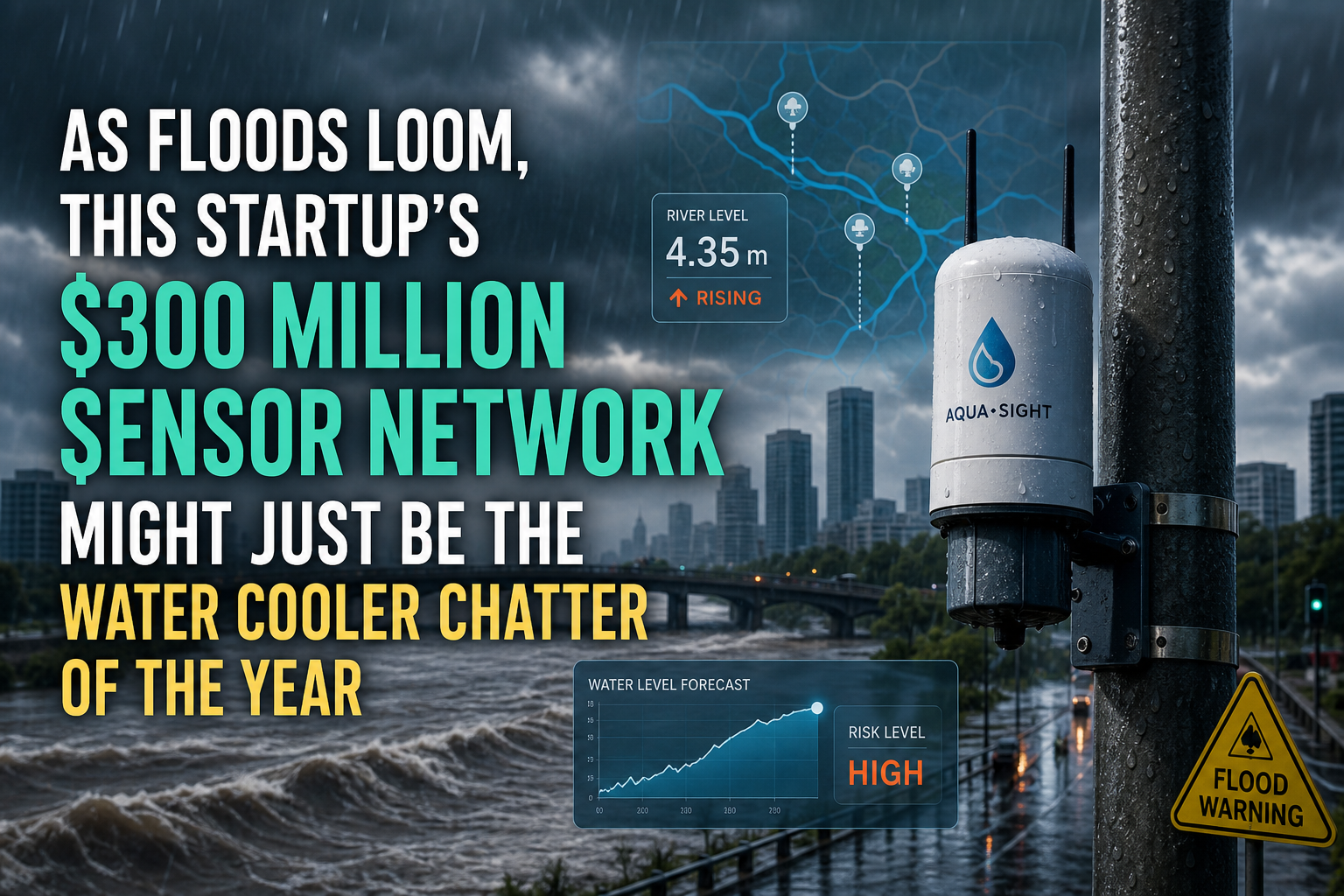
Recent investments in sensor networks indicate a growing confidence among investors in the potential of these technologies. For instance, a notable startup recently secured a $300 million investment to develop a comprehensive sensor network aimed at predicting floods. This level of investment underscores the perceived value of innovative solutions in addressing environmental challenges.
Business Models and Competitive Landscape
Startups in the flood prediction sector typically adopt subscription-based models, providing ongoing access to data and alerts for municipalities and businesses. This model not only ensures a steady revenue stream but also fosters long-term relationships with clients who rely on timely information to mitigate risks associated with flooding.
However, the market is not without competition. Established players have already made significant inroads with similar technologies. Companies that have built a reputation for reliability and accuracy pose a challenge for new entrants. As such, startups must differentiate themselves through superior technology, customer service, or unique features that address specific market needs.
Adoption Risks and Consumer Behavior
While the potential for growth in the flood prediction market is significant, there are inherent risks associated with consumer adoption. Many potential users may be hesitant to switch from established services to newer offerings, particularly if they perceive the latter as untested or lacking in proven results. This skepticism can hinder market penetration and necessitates that new entrants invest heavily in marketing and education to build trust.
Technological Challenges and Reliability
The core technology behind flood prediction systems relies on a range of sensors designed to operate in extreme environments. The durability and accuracy of these sensors are paramount, as any failure could lead to catastrophic consequences for users relying on timely alerts. Startups must prioritize rigorous testing and validation of their technologies to ensure reliability under various conditions.
Strategic Considerations for Founders
For founders entering the flood prediction market, a clear strategy is essential. This includes understanding the competitive landscape, identifying unique selling propositions, and establishing partnerships with local governments and organizations that can benefit from their technology. Additionally, founders should focus on building a robust customer support system to address concerns and foster loyalty among users.
Conclusion
The flood prediction market presents a compelling opportunity for startups equipped with innovative sensor technologies. However, the path to success is fraught with challenges, including competition from established players, consumer skepticism, and the need for technological reliability. By addressing these issues and strategically positioning themselves in the market, startups can carve out a niche in this critical sector.
Editor's note: This analysis is original market research and is not intended as investment advice.
What's Your Reaction?
 Like
0
Like
0
 Dislike
0
Dislike
0
 Love
0
Love
0
 Funny
0
Funny
0
 Angry
0
Angry
0
 Sad
0
Sad
0
 Wow
0
Wow
0