

Analyzing the Market Viability of Innovative UX Preservation Strategies
By Startup Korea Research Desk | May 10, 2026 The user experience (UX) design sector has been witnessing a surge in innovative approaches aimed at enhancing user engagement and design quality. One of the latest entrants in this domain is a start...

By Startup Korea Research Desk | May 10, 2026
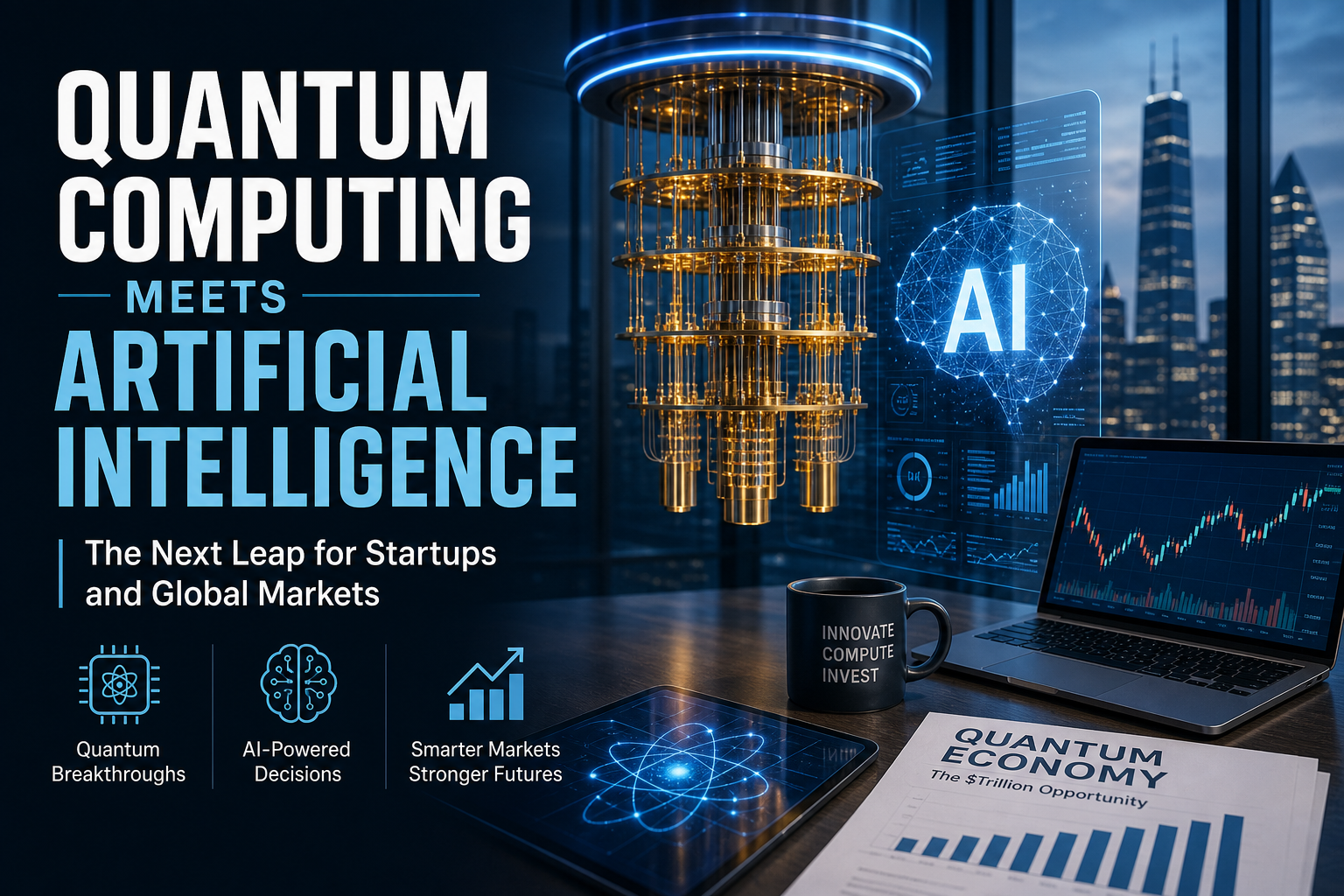
The user experience (UX) design sector has been witnessing a surge in innovative approaches aimed at enhancing user engagement and design quality. One of the latest entrants in this domain is a startup that has proposed a unique service centered around the concept of cryogenic computing. This analysis explores the market implications, business model viability, and potential risks associated with such an unconventional approach.
Market Overview
The global market for UX design is currently valued at approximately $20 billion, with a projected compound annual growth rate (CAGR) of 15% over the next five years. This growth is driven by the increasing importance of user-centric design in technology products and services. As businesses strive to differentiate themselves in a competitive landscape, the demand for innovative UX solutions is expected to rise.
Innovative Business Models in UX Design
The introduction of cryogenic computing as a means to 'preserve' suboptimal UX designs presents a novel, albeit controversial, business model. The premise is to create a repository of failed designs, allowing designers and businesses to learn from past mistakes without the need for direct user feedback. This approach raises several questions regarding its practicality and relevance in a rapidly evolving market.
- Value Proposition: The core value proposition hinges on nostalgia and the educational aspect of learning from past failures. However, the effectiveness of this model in delivering tangible benefits to users and businesses remains to be seen.
- Market Demand: While there is a growing interest in UX design, the specific demand for a service that focuses on preserving failed designs is uncertain. Stakeholders must assess whether there is a genuine market for such a niche offering.
- Scalability: The scalability of a cryogenic UX preservation service is questionable. As the market evolves, the ability to adapt and offer relevant solutions will be critical for long-term success.
Investor Sentiment and Diligence
Investor sentiment towards innovative yet unconventional business models can be mixed. Some investors may view the cryogenic computing service as a bold and creative approach to UX design, while others may express skepticism regarding its feasibility and market fit. Due diligence is essential for investors considering involvement in such ventures.
Investors should evaluate the following factors:
- Market Research: Comprehensive market research is necessary to understand the potential customer base and their willingness to engage with a service that focuses on past failures.
- Competitive Landscape: Analyzing competitors and alternative solutions in the UX design space will provide insights into the viability of the proposed service.
- Financial Projections: Investors should scrutinize financial projections and funding requirements to determine the sustainability of the business model.
Challenges and Risks
Despite the potential for innovation, there are inherent risks associated with the proposed cryogenic computing service. Key challenges include:
- Market Acceptance: Gaining acceptance in a market that values forward-thinking solutions may prove difficult for a service centered around past failures.
- Technological Feasibility: The technical implementation of cryogenic computing for UX design preservation must be thoroughly vetted to ensure it meets industry standards and user expectations.
- Long-Term Viability: The long-term viability of a business model that relies on nostalgia and past failures may be limited, especially as the UX landscape continues to evolve.
Strategic Considerations for Founders
For founders considering a similar approach, several strategic considerations should be taken into account:
- Focus on User-Centric Solutions: While preserving past failures can provide insights, it is crucial to prioritize user-centric solutions that address current market needs.
- Adaptability: The ability to pivot and adapt to changing market dynamics will be essential for long-term success.
- Engagement with Stakeholders: Engaging with potential users and industry experts can provide valuable feedback and help refine the business model.
Conclusion
The introduction of cryogenic computing as a means to preserve UX designs is a fascinating concept that challenges traditional approaches to user experience. While the market for UX design continues to grow, the viability of such a niche service remains uncertain. Investors and founders alike must carefully consider the associated risks and opportunities before committing to this innovative yet unconventional business model.
Editor's note: This is original market analysis and not investment advice.
What's Your Reaction?
 Like
0
Like
0
 Dislike
0
Dislike
0
 Love
0
Love
0
 Funny
0
Funny
0
 Angry
0
Angry
0
 Sad
0
Sad
0
 Wow
0
Wow
0