



Analyzing the Market Potential of Wearable Technology in Relationship Optimization
Analyzing the Market Potential of Wearable Technology in Relationship Optimization By Startup Korea Research Desk | Apr 19, 2026 The intersection of technology and personal relationships has become an intriguing area for startups, particularly i...

Analyzing the Market Potential of Wearable Technology in Relationship Optimization
By Startup Korea Research Desk | Apr 19, 2026
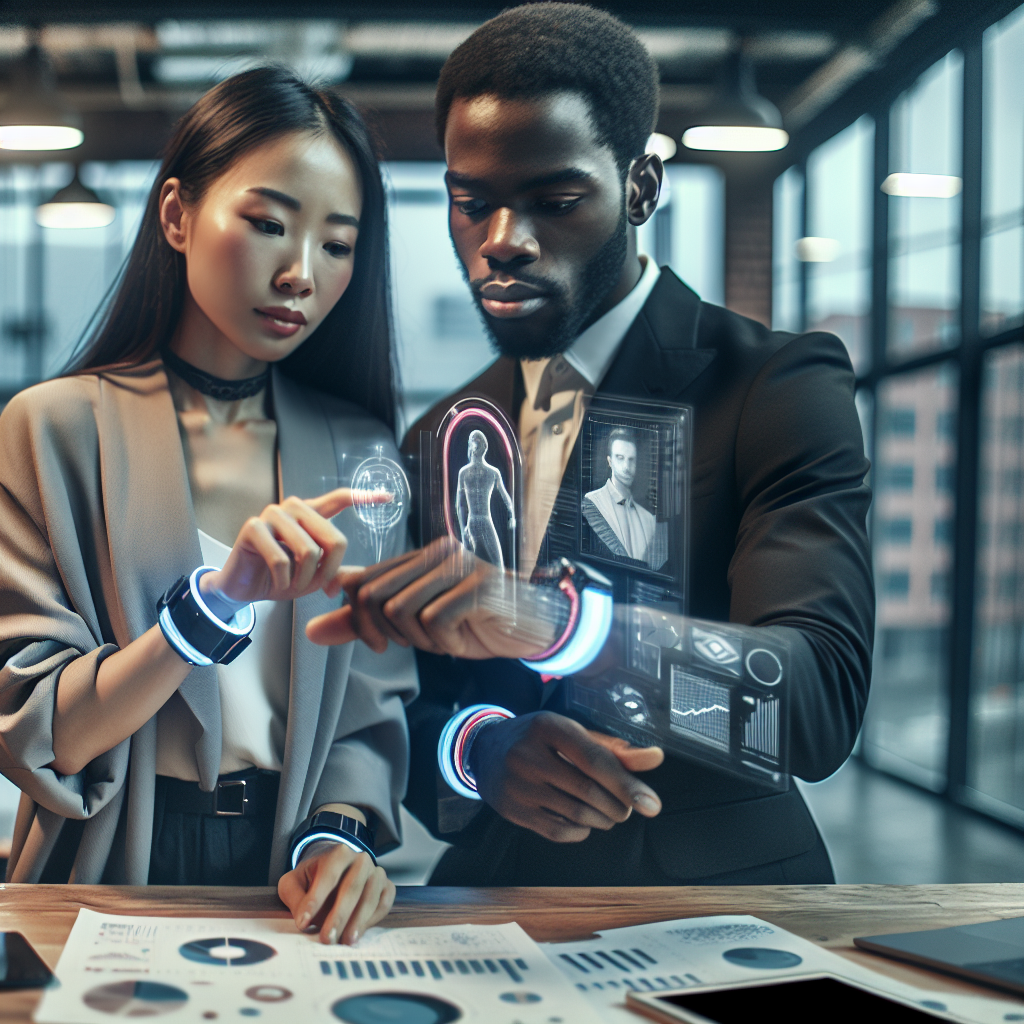
The intersection of technology and personal relationships has become an intriguing area for startups, particularly in the realm of wearable technology. As companies explore ways to enhance interpersonal connections through data-driven insights, the market is witnessing a surge in interest and investment. This analysis delves into the current trends, potential risks, and the overall viability of business models centered around relationship optimization through wearable devices.
The Rise of Wearable Technology
The global wearable technology market has experienced significant growth, valued at approximately $116 billion in 2021, with projections suggesting it could reach around $250 billion by 2026. This growth is driven by advancements in technology, increased consumer adoption, and a growing interest in health and wellness applications. Wearable devices are no longer limited to fitness tracking; they are evolving to encompass a broader range of functionalities, including emotional and relational analytics.
Market Trends in Relationship Optimization
- Consumer Interest: Recent surveys indicate that approximately 60% of potential users are interested in technology that optimizes their relationships. This statistic underscores a growing acceptance of tech-mediated interactions in personal lives.
- Investment Surge: Startups focusing on relationship optimization are attracting significant venture capital interest. For instance, a notable Series A funding round raised 50 billion won (approximately 38 million USD), highlighting investor confidence in the potential of this niche.
- Integration of Data Analytics: Companies are increasingly leveraging data analytics to provide insights into compatibility and relationship dynamics. This trend reflects a broader societal shift towards quantifying personal experiences.
Business Model Viability
Startups entering this space must consider the sustainability of their business models. The appeal of wearable technology for relationship optimization lies in its promise to enhance personal connections through data. However, businesses must navigate several challenges:
- Consumer Trust: Users must feel confident that their personal data is handled securely and ethically. Building trust will be crucial for long-term success.
- Market Differentiation: As more players enter the market, startups will need to differentiate their offerings. This could involve unique features, superior user experience, or innovative applications of technology.
- Regulatory Considerations: The collection and analysis of personal data are subject to regulatory scrutiny. Startups must ensure compliance with data protection laws to avoid legal pitfalls.
Adoption Risks and Consumer Reluctance
Despite the promising market potential, there are inherent risks associated with the adoption of relationship optimization technology. Analysts have raised concerns about the concept of 'algorithmic heartbreak,' where reliance on technology to measure affection could lead to unrealistic expectations and emotional distress. This skepticism may hinder widespread acceptance among consumers who value the organic nature of relationships.
Moreover, the idea of quantifying love and compatibility may not resonate with everyone. Many individuals may prefer traditional methods of relationship-building over data-driven approaches, which could limit the target market for these products.
Strategic Considerations for Founders
For founders looking to enter the wearable tech market focused on relationship optimization, several strategic considerations should be taken into account:
- Focus on User Experience: Prioritize creating an intuitive and engaging user experience that resonates with potential customers.
- Educate the Market: Invest in marketing efforts that educate consumers on the benefits of relationship optimization technology, addressing potential misconceptions and concerns.
- Build Partnerships: Collaborate with experts in psychology and relationship counseling to enhance the credibility and effectiveness of the technology.
Conclusion
The market for wearable technology aimed at optimizing relationships presents both opportunities and challenges. As consumer interest grows, startups must navigate the complexities of data privacy, market differentiation, and consumer trust. The potential for innovation in this space is significant, but success will depend on the ability to address the concerns of users while delivering tangible benefits.
Editor's note: This analysis is original market research and does not constitute investment advice.
What's Your Reaction?
 Like
0
Like
0
 Dislike
0
Dislike
0
 Love
0
Love
0
 Funny
0
Funny
0
 Angry
0
Angry
0
 Sad
0
Sad
0
 Wow
0
Wow
0