


Analyzing the Market Potential of Sleep Data-Driven Applications
By Startup Korea Research Desk | May 16, 2026 The intersection of technology and wellness has given rise to a burgeoning market focused on sleep, with innovative startups emerging to capitalize on the growing interest in sleep science. One such...

By Startup Korea Research Desk | May 16, 2026
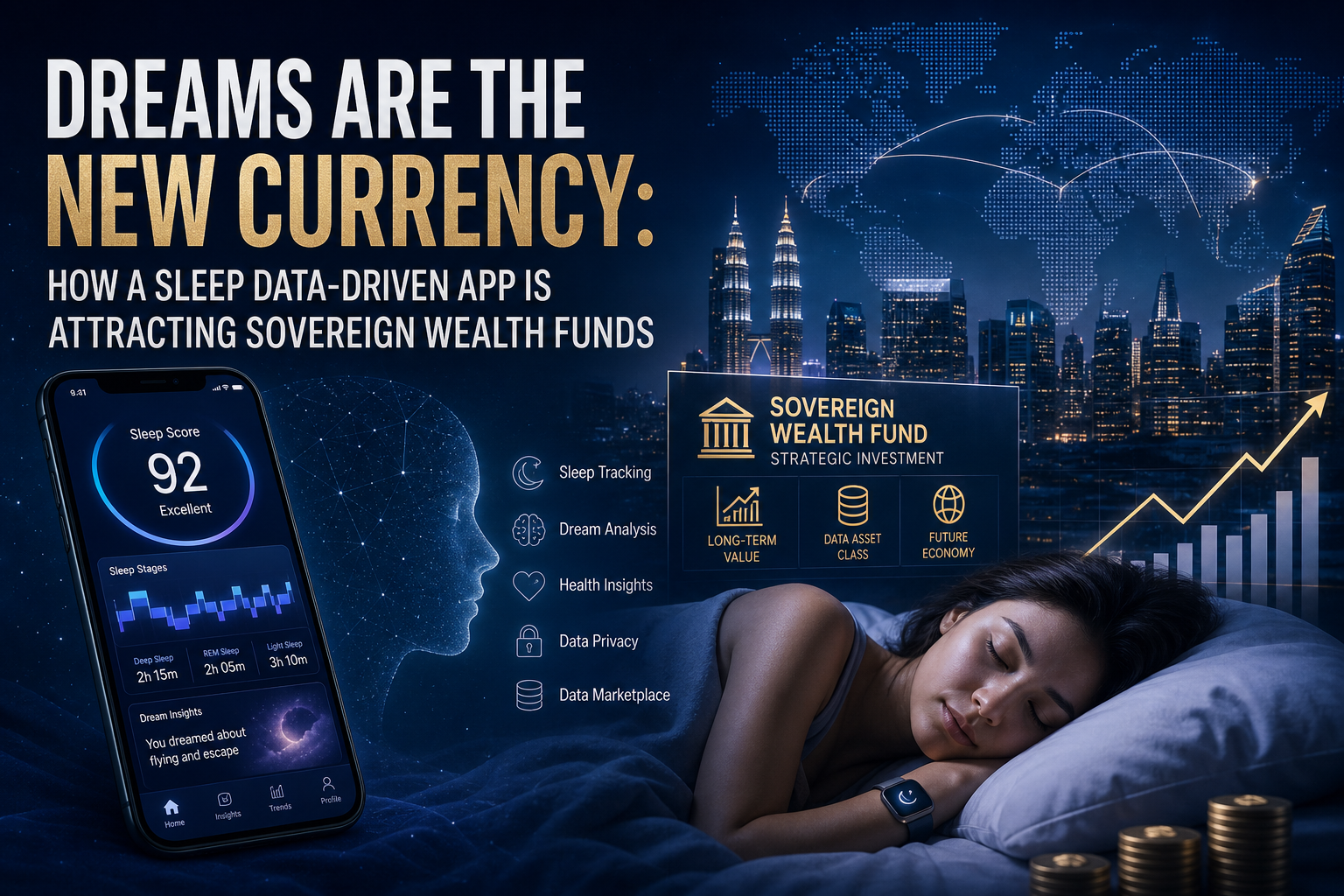
The intersection of technology and wellness has given rise to a burgeoning market focused on sleep, with innovative startups emerging to capitalize on the growing interest in sleep science. One such company has recently attracted significant attention and investment by proposing a unique approach to sleep data through a dream curation application. This analysis explores the market trends, business model viability, investor sentiment, and the strategic considerations for founders in this niche sector.
The Growing Sleep Technology Market
As awareness of the importance of sleep for overall health continues to rise, the sleep technology market is projected to reach approximately $8 billion by 2028. This growth is driven by an increasing number of consumers seeking solutions for sleep disorders, stress management, and overall wellness. The advent of wearable technology and sleep tracking apps has further fueled this trend, leading to a more personalized approach to sleep management.
Within this context, the concept of a sleep data-driven application that curates dreams represents a novel approach. By leveraging data collected during sleep, such applications aim to provide users with tailored experiences that could enhance their sleep quality and overall mental well-being. However, the feasibility of such a concept raises important questions regarding market adoption and user engagement.
Business Model Viability
The proposed business model for a dream curation app hinges on the ability to effectively analyze sleep data and translate it into meaningful dream experiences. This requires not only advanced technology but also a deep understanding of sleep science and user psychology. The challenge lies in ensuring that the app delivers tangible benefits to users, thereby justifying any associated costs.
- Data Privacy and Ethics: As with any application that collects personal data, concerns regarding privacy and ethical use of data are paramount. Users must feel confident that their sleep data is handled securely and responsibly.
- User Engagement: The success of such an app will depend on its ability to engage users consistently. This may involve gamification elements or community features that encourage users to share their experiences and insights.
- Market Differentiation: With numerous sleep-related applications already available, distinguishing the product in a crowded market will be critical. Unique features or partnerships with sleep experts could enhance credibility and attract users.
Investor Sentiment and Diligence
The recent influx of investment from sovereign wealth funds into the sleep technology sector indicates a growing confidence in the market's potential. However, investor enthusiasm is tempered by skepticism regarding the viability of monetizing dreams. Analysts emphasize the need for thorough due diligence, particularly in assessing the technology's capabilities and the startup's ability to execute its vision.
Investors are likely to scrutinize the startup's roadmap, technology development milestones, and user acquisition strategies. The potential for high returns exists, but so do the risks associated with unproven business models and the ethical implications of the technology.
Strategic Considerations for Founders
For founders in the sleep technology space, several strategic considerations are essential for navigating this complex landscape:
- Building a Strong Team: Assembling a team with expertise in sleep science, data analytics, and user experience design will be crucial for developing a credible product.
- Fostering Partnerships: Collaborating with sleep researchers, healthcare professionals, and technology experts can enhance the app's credibility and provide valuable insights into user needs.
- Prioritizing User Feedback: Engaging with early adopters and incorporating their feedback into product development can help refine the app and ensure it meets user expectations.
Conclusion
The emergence of sleep data-driven applications presents a fascinating opportunity within the broader wellness technology market. While the potential for innovation is significant, the path to success will require careful consideration of ethical implications, user engagement strategies, and robust technological capabilities. As the market evolves, both investors and founders must remain vigilant in assessing risks and opportunities in this dynamic sector.
Editor's note: This article represents original market analysis and is not intended as investment advice.
What's Your Reaction?
 Like
0
Like
0
 Dislike
0
Dislike
0
 Love
0
Love
0
 Funny
0
Funny
0
 Angry
0
Angry
0
 Sad
0
Sad
0
 Wow
0
Wow
0