
Analyzing the Market Potential of AI-Driven Home Atmosphere Solutions
By Startup Korea Research Desk | May 11, 2026 Introduction The intersection of artificial intelligence and home automation is rapidly evolving, presenting both opportunities and challenges for startups in this space. A recent significant funding...

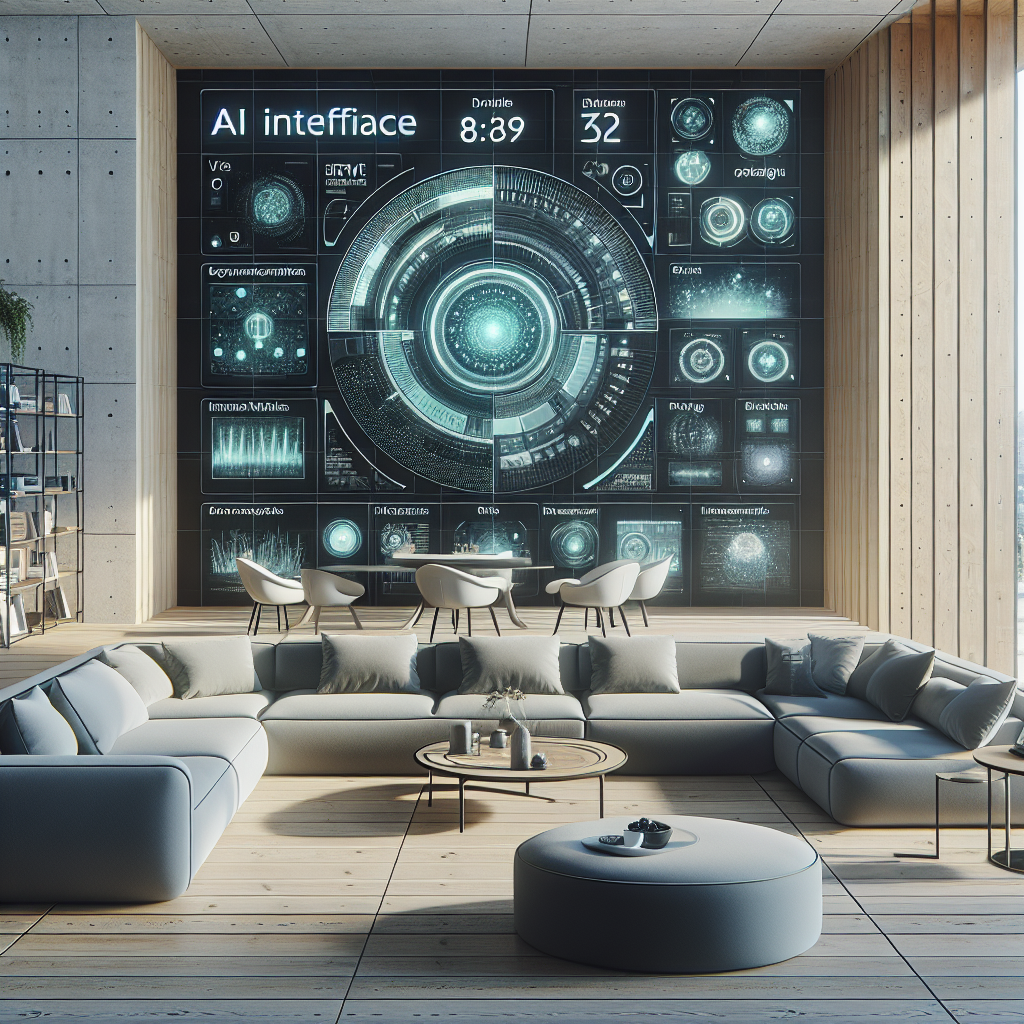
By Startup Korea Research Desk | May 11, 2026
Introduction
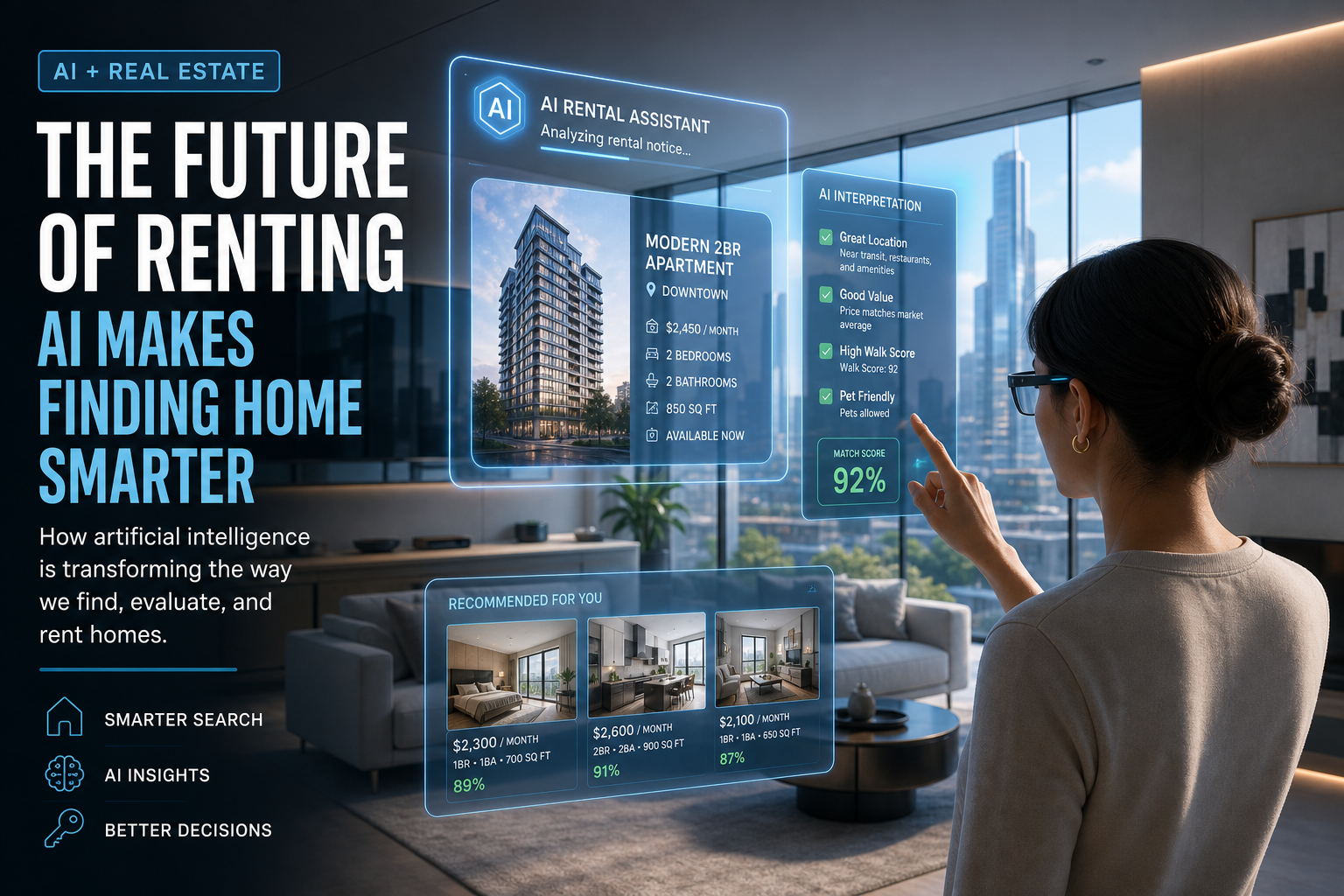
The intersection of artificial intelligence and home automation is rapidly evolving, presenting both opportunities and challenges for startups in this space. A recent significant funding round for a startup focused on enhancing home environments through AI technology underscores the growing interest in this market. This analysis explores the implications of such investments, the viability of business models, and the potential risks associated with consumer adoption.
The Rise of AI in Home Automation
The global home automation market was valued at approximately $80 billion in 2025, with projections indicating a compound annual growth rate (CAGR) of 25% through 2030. This growth is driven by increasing consumer demand for smart home solutions that enhance convenience, security, and overall quality of life. Startups that leverage AI to create personalized home environments are positioned to capitalize on this trend.
Innovative Business Models
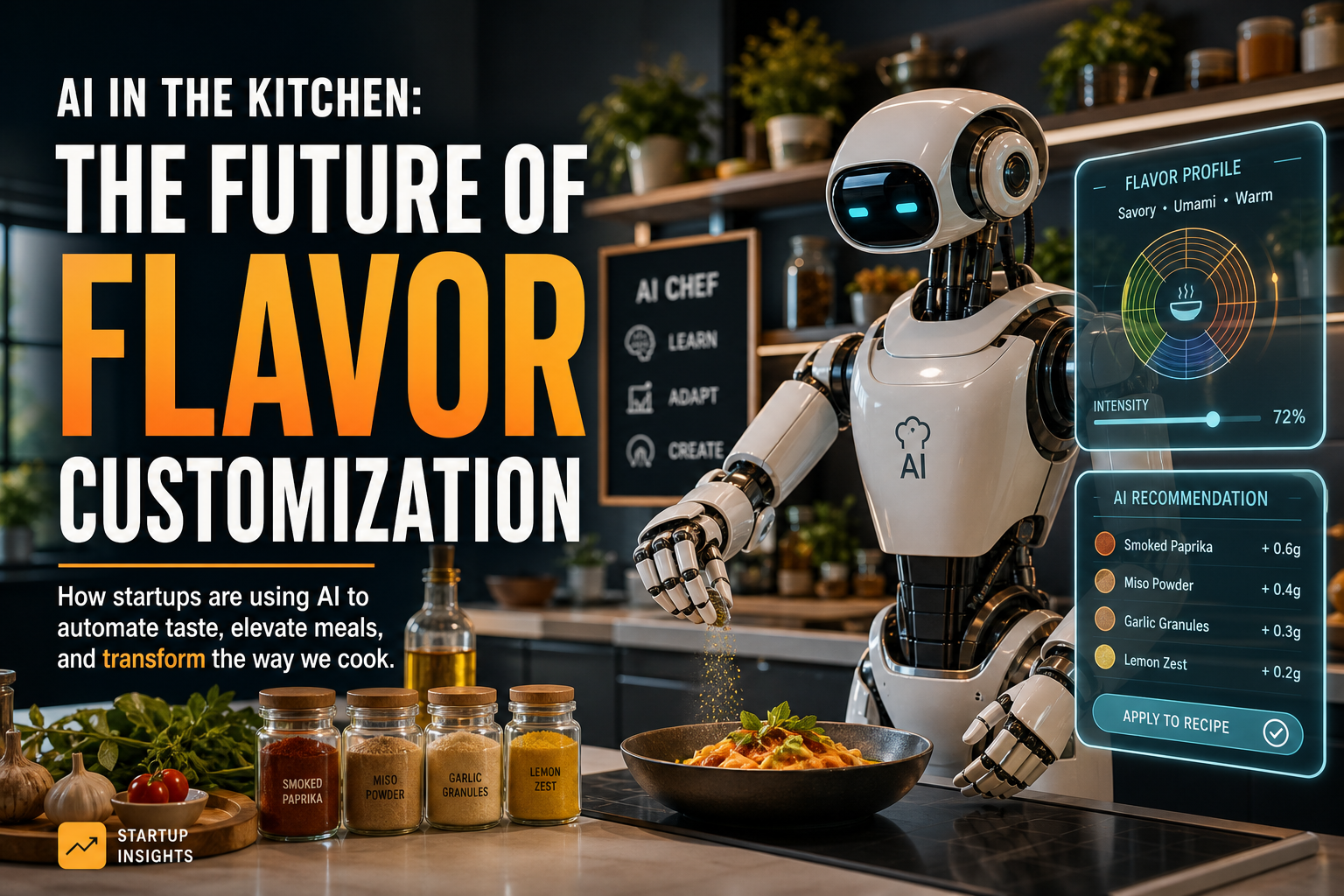
Startups in the AI home atmosphere sector are exploring various business models, from subscription services to one-time purchases of integrated systems. The concept of an AI-driven home atmosphere orchestration system aims to provide users with a tailored experience, adjusting elements such as lighting, sound, and even scent based on individual preferences and moods. This innovative approach not only enhances user experience but also creates opportunities for recurring revenue through ongoing software updates and service enhancements.
Market Differentiation
As the market becomes increasingly saturated with smart devices, differentiation will be crucial for success. Companies must demonstrate how their solutions offer unique value propositions compared to existing products. For instance, while many smart home devices focus on functionality, those that emphasize emotional and experiential aspects may appeal to a niche market willing to invest in creating a harmonious living environment.
Investment Landscape
The recent funding round for an AI-driven home atmosphere startup highlights the confidence investors have in the potential of this market. A diverse group of venture capitalists and angel investors are eager to support innovations that promise to redefine household management. However, investor diligence is essential, as the competitive landscape is filled with both established players and emerging startups.
Evaluating Investment Risks
While the potential for high returns exists, investors must also consider the inherent risks associated with this sector. Key concerns include:
- Market Saturation: The proliferation of smart home devices raises questions about how new entrants can effectively differentiate themselves.
- Data Privacy: As AI systems collect and analyze user data to create personalized experiences, concerns about data security and privacy will be paramount.
- Consumer Adoption: The success of AI-driven home atmosphere solutions depends on consumer willingness to embrace new technologies and invest in them.
Founder Strategy and Vision
Founders in this space must articulate a clear vision that resonates with both consumers and investors. A focus on user experience, data security, and ongoing innovation will be critical. Additionally, establishing partnerships with other technology providers can enhance product offerings and expand market reach.
Consumer Education and Engagement
To drive adoption, startups must prioritize consumer education about the benefits and functionalities of their products. Engaging marketing strategies that highlight real-world applications and success stories can help demystify AI technology for potential users. Furthermore, addressing concerns related to privacy and data usage will be essential in building trust with consumers.
Conclusion
The integration of AI into home atmosphere solutions represents a promising frontier in the home automation market. While significant opportunities exist, startups must navigate a landscape filled with challenges, including market saturation and consumer adoption hurdles. By focusing on innovative business models, effective differentiation, and consumer engagement, companies can position themselves for success in this dynamic sector.
Editor's note: This is original market analysis and not investment advice.
What's Your Reaction?
 Like
0
Like
0
 Dislike
0
Dislike
0
 Love
0
Love
0
 Funny
0
Funny
0
 Angry
0
Angry
0
 Sad
0
Sad
0
 Wow
0
Wow
0